
Key Takeaways
- Commercial junk is excess stuff that businesses no longer need.
- Examples include office furniture, electronics, retail displays, and heavy industrial parts.
- Safe removal means sorting items, using the right tools, and lifting carefully.
- Northwest Labor Industries helps clear junk in Seattle and nearby areas.
- Removing junk improves safety, neatness, and work efficiency.
What Counts As Commercial Junk in Seattle?
Commercial junk is the extra stuff that companies do not use anymore. In busy places like Seattle, businesses often have old desks, busted machines, and obsolete computers. This unused material can make work areas cluttered and even unsafe. Many companies now choose to clear out this excess junk so they have more space for new and useful items.
When companies remove junk, they help keep workplaces safe and neat. For example, heavy or sharp items can hurt someone if they are left around. By clearing these out, business owners show that they care about their employees and the community.
What To Do When Your Business Has Too Much Commercial Junk
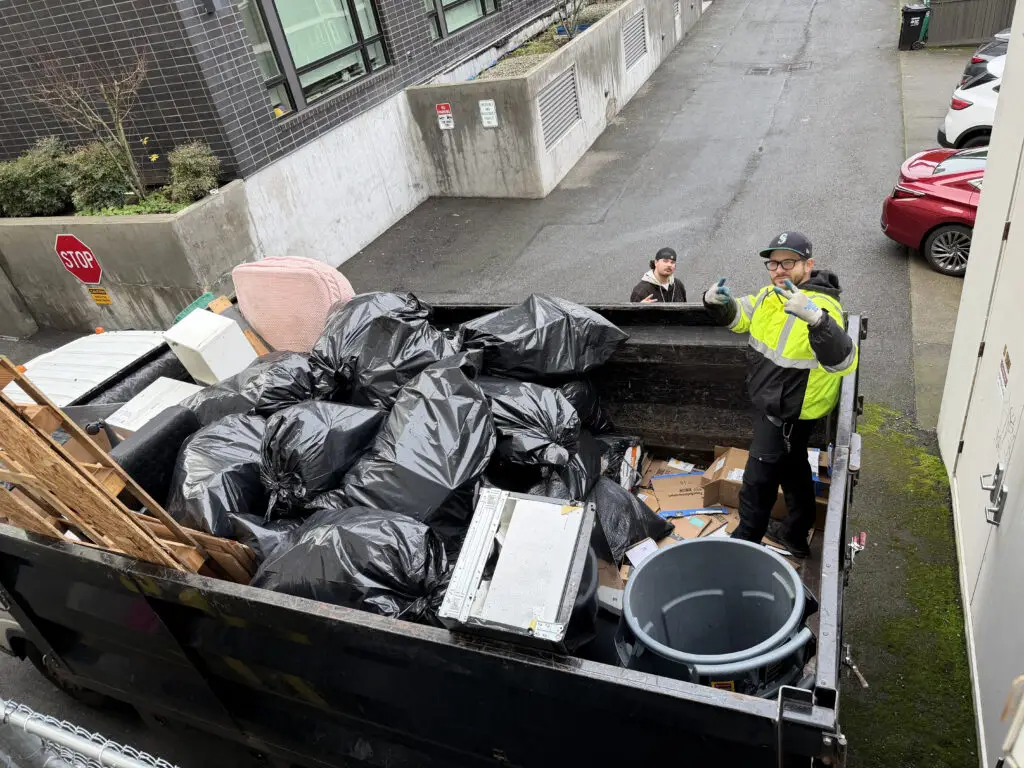
Businesses in Seattle often accumulate extra items like seating, cabinets, and even unused quilts. All of these items add up to what we call commercial junk. When old desks, busted machines, and outdated computers pile up, workspaces can get cluttered and even dangerous.
A simple checklist can help your business remove this junk:
- Check all used furniture.
- Organize items into groups: keep, recycle, or throw out.
- Avoid unsafe lifting: Use proper equipment to move bulky items.
The reasons for removing junk are simple:
- Safety: Junk can be heavy and have sharp edges.
- Neatness: A messy space makes work harder.
- Efficiency: Clearing clutter makes it easier to move around and use space wisely.
Having a clear plan means that everyone knows what to do. Business owners can even work with professionals who have the right tools and experience.
Book Junk Removal Today!
Different Types of Commercial Junk in Seattle
There are many kinds of commercial junk in Seattle. Business owners must know the types so they can plan for safe removal and recycling:
- Office Furniture: Items such as desks, chairs, and cabinets that become outdated or broken.
- Electronic Waste: Old computers, printers, and phones that need special recycling.
- Retail Merchandising: Display cases, packaging waste, and point-of-sale signs that become outdated after events.
- Industrial Parts: Scrap metal, broken machines, and worn-out tools from factories and warehouses that are heavy and need special handling.
| Type of Junk | Item Included | Location |
| Office Furniture | Desks, chairs, cabinets | Offices |
| Electronic Waste | Computers, printers, phones | Tech rooms, offices |
| Retail Items | Packaging, signs, display cases | Retail stores |
| Industrial Parts | Scrap metal, broken machines | Factories, warehouses |
What Junk to Look Out For In Your Office or Retail Space
Office and retail spaces often collect extra items that are not needed. Over time, offices fill up with old desks, chairs, and computers. Retail stores might have outdated display fixtures and packaging waste from past events. Knowing what to look out for helps business owners decide how to clear their spaces.
Office Junk Contains:
- Furniture: Old desks, chairs, and cabinets.
- Electronics: Outdated computers, printers, and phones.
- Supplies: Extra paper, unused materials, and broken machines.
Retail Junk Includes:
- Display Fixtures: Shelving, racks, and counters no longer in use.
- Packaging Waste: Cardboard boxes and plastics that pile up.
- Old Event Decor: Banners, signs, and promotional items from previous events.
| Area | Items | Action |
| Office | Desks, chairs, computers, supplies | Reuse, recycle, or donate |
| Retail | Shelves, displays, packaging, signs | Recycle or remove |
Using proper tools like carts, gloves, and lifting straps makes the job easier and safer.
Seattle Industrial and Warehouse Junk
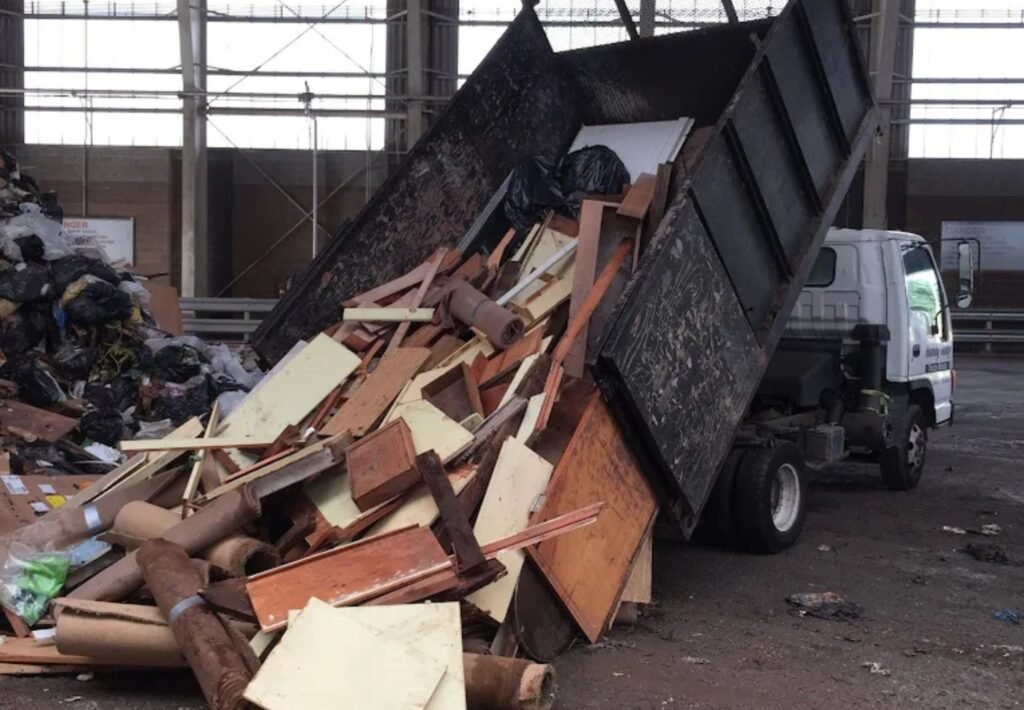
Industrial and warehouse spaces in Seattle often deal with heavy and sometimes dangerous junk. These areas can have spare machinery, scrap metal, and broken tools that require careful handling.
Common Industrial Junk Involves:
- Industrial Waste: Leftover residues from production.
- Creaking Machinery: Worn-out or broken machine parts.
- Old Tools: Obsolete tools that may be rusty.
- Packaging Waste: Shipping materials and residual containers.
| Item | Where Found | Special Care |
| Scrap Metal | Factory floors, warehouses | Heavy and sharp |
| Machinery Parts | Production areas | May need special tools |
| Old Tools | Storage rooms | Can be rusty |
| Packaging Waste | Loading docks | Must be sorted |
Proper Handling and Disposal of Commercial Junk
Handling commercial junk the right way keeps people and property safe. In Seattle, companies follow clear steps to remove junk without causing injury. Proper disposal also means that items that can be recycled or reused do not go to waste.
- Sort: Create piles for items to keep, recycle, or throw away.
- Scan for Dangers: Check each item for sharp edges, heavy parts, or broken pieces.
- Plan the Lift: Use your legs to lift heavy objects safely.
- Use Appropriate Equipment: For large or heavy items, use carts, straps, or dollies.
- Collaborate: Work in teams to help move very heavy objects.
| Step | Action | Tool Needed |
| Sorting | Group items by type | Pen and paper |
| Checking Safety | Identify any hazards | Gloves and boots |
| Moving | Lift items safely | Dollies, straps, carts |
What Our Junk Removal Does During A Commercial Cleanout
Northwest Labor Industries is trusted by many Seattle businesses to remove commercial junk safely and efficiently. Their team works with offices, shops, and factories to clear away old and unused items.
- Sort Junk: They carefully check each item to see if it can be recycled or reused.
- Safe Extraction: They use the proper tools to handle heavy or dangerous materials.
- Recycling & Donation: Items that can be fixed or reused are donated; the rest is recycled.
- Detailed Process: Their team arrives, makes an inventory checklist, and then removes the junk safely.
This process minimizes risks and ensures that the workspace is left clean and safe.
| Action | Benefit |
| Planning Ahead | Saves money and reduces waste |
| Reusing Items | Fewer new purchases needed |
| Recycling | Helps the environment and frees up space |