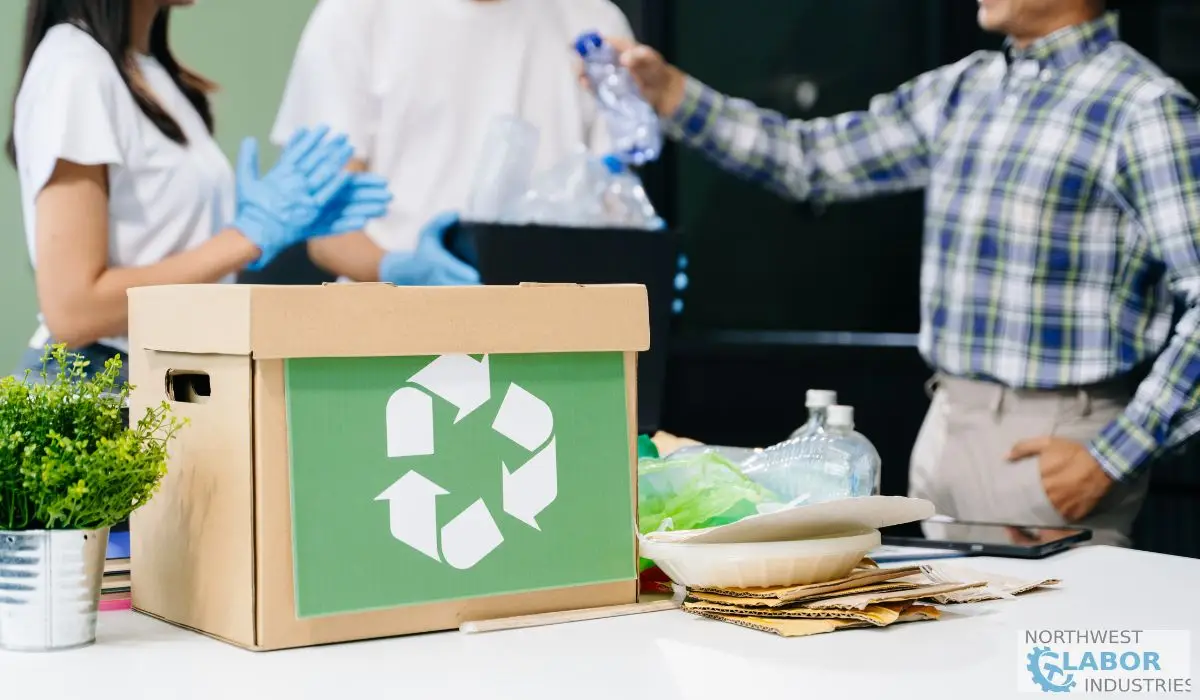

Are you aware that not all waste is the same? Proper household waste management helps you keep all of this unwanted waste organized and ensures the responsible and safe handling of waste.
The EPA reports that the U.S. produces more than 292 million tons of municipal solid waste each year. Without proper management, both small and bulky waste from homes and businesses can become a safety threat.
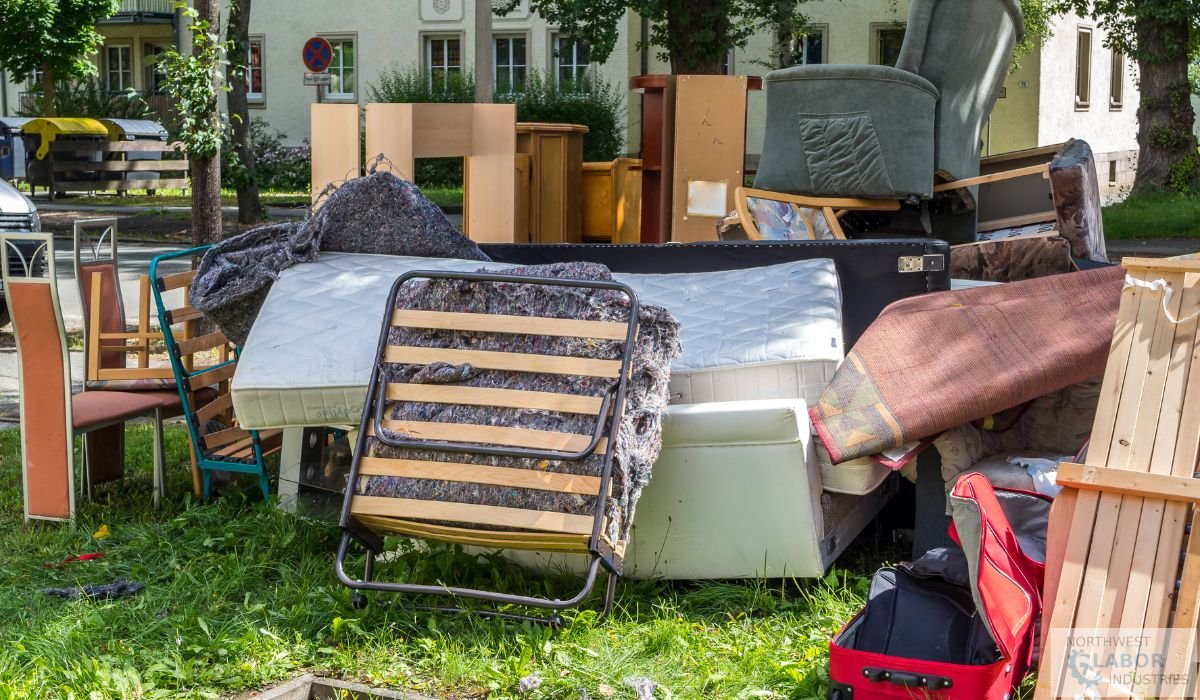
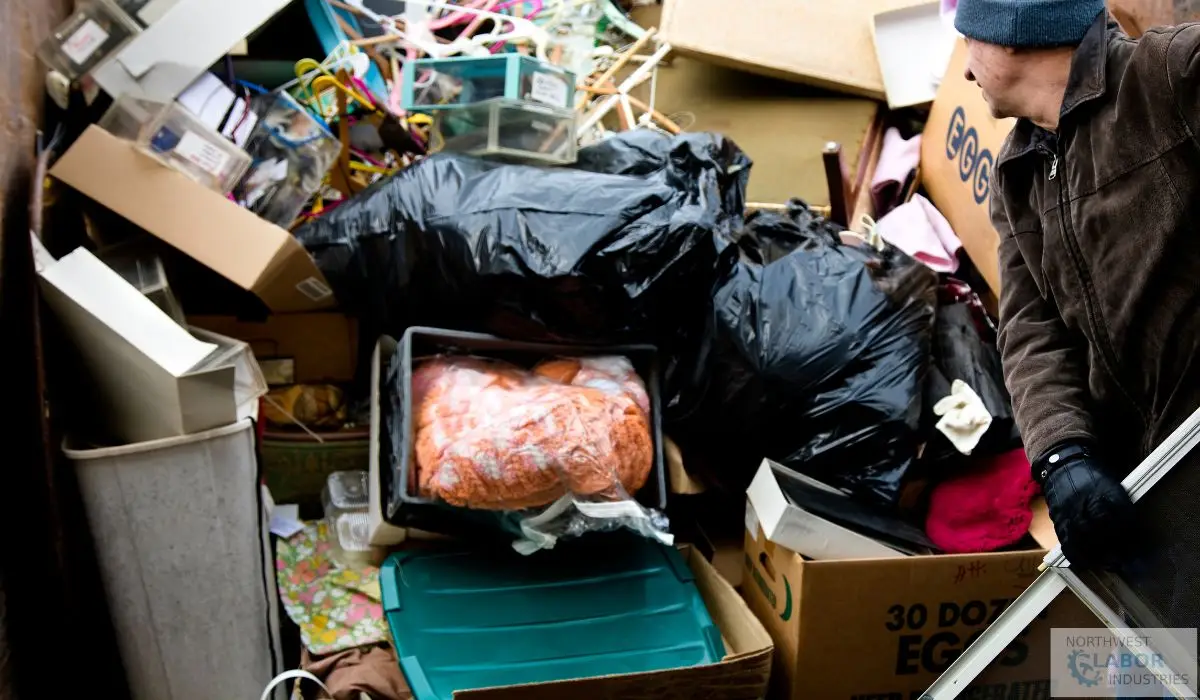
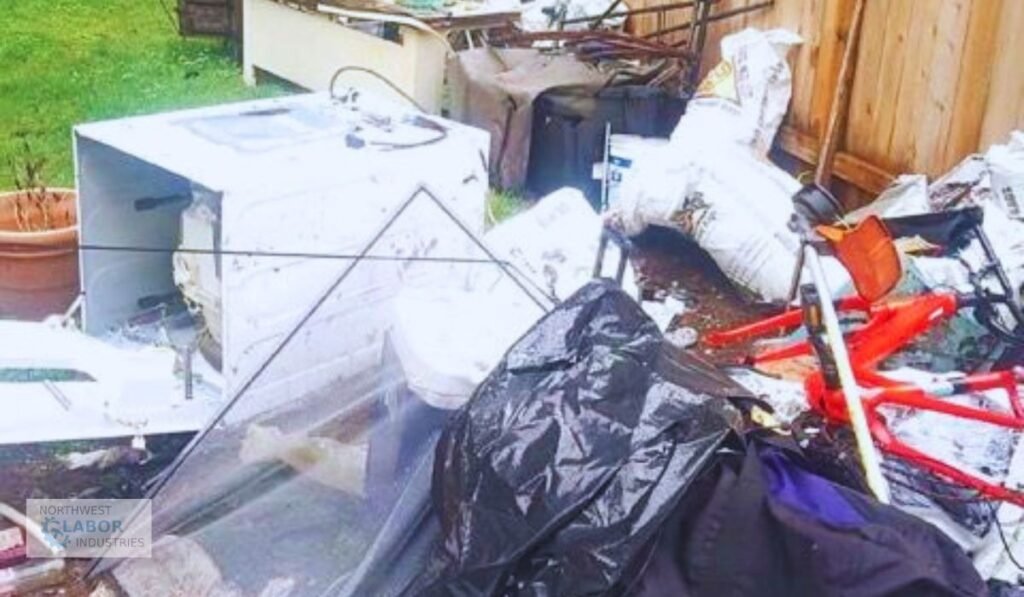
Every homeowner in Seattle, WA produces household waste in different forms. Some waste is small and routine, such as food scraps, bottles, or packaging that pile up each day. In some cases, homes may require junk removal services to safely get rid of bulky items and unwanted materials.
From our experience, household waste is a wide range of materials a home no longer needs, everything from everyday trash that goes out to leftover household products and items that are regulated because of safety concerns.
This guide explains the difference between safe and hazardous household waste, how to manage it responsibly, and where to dispose of items safely.
If you missed our previous guide on what is household waste, check it out to understand all types of home trash. Up next, we’ll cover old furniture removal and how to handle bulky items safely.
Short Summary
- Household hazardous waste (HHW) includes both regular trash and hazardous items
- Hazardous products like paints, batteries, and chemicals need special disposal
- Throwing HHW in the trash can cause fires, pollution, or health risks
- Many cities and counties offer safe collection services for residents
- Simple daily habits make waste management safer and more efficient
Understanding Household Waste and Hazardous Items
Not all trash is the same. Here’s a look at the common types of household waste, how they should be handled, and the risks they bring if thrown in regular garbage.
| Waste Type | Examples | Safe Disposal | Risks if Thrown in Trash |
| Regular Solid Waste | Food scraps, packaging, newspapers | Trash or recycling bins | Adds to landfill waste |
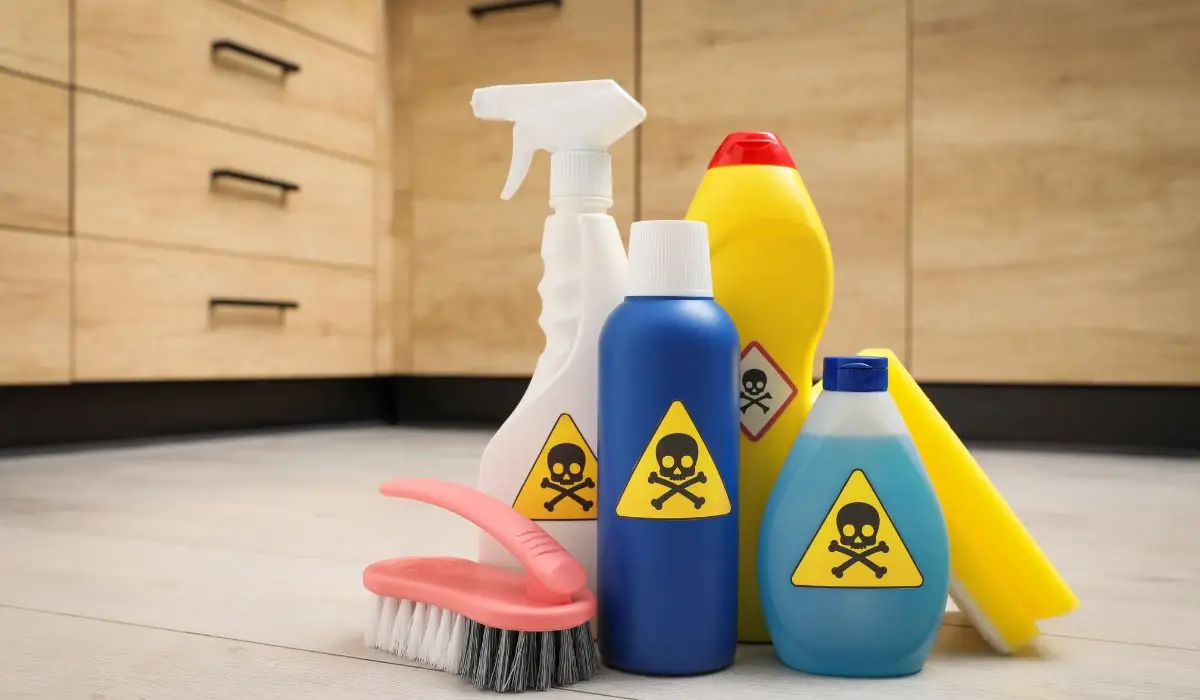
| Household Hazardous Waste (HHW) | Cleaners, paints, pesticides | Local collection programs | Toxic to people and animals |
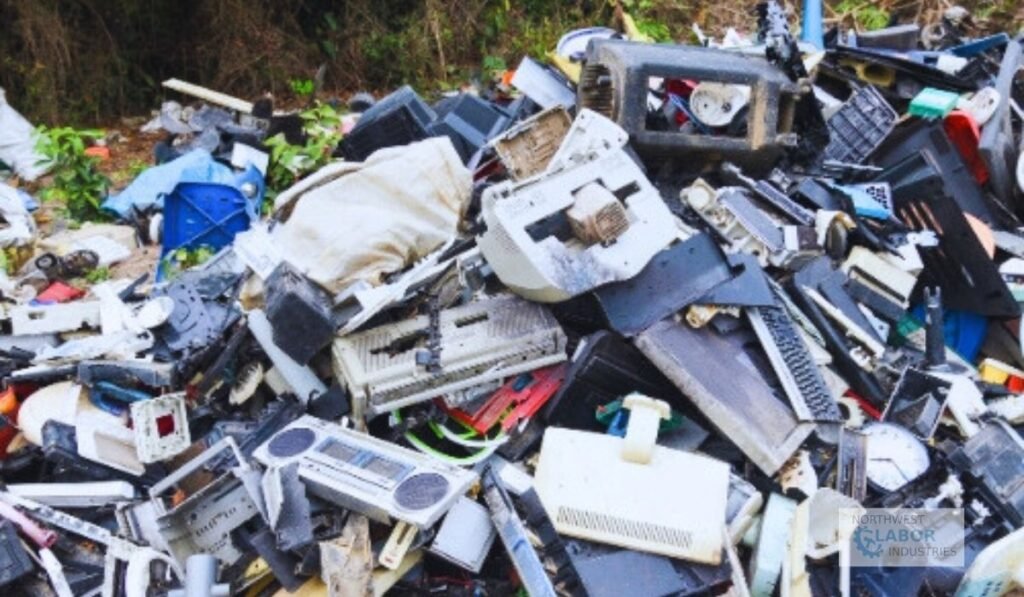
| Electronic Waste (E-waste) | Phones, TVs, computers, cell phones | E-waste recycling events | Leaks heavy metals into soil |
| Flammable/Corrosive Items | Motor oil, fuels, and strong cleaners | County drop-off sites | Fire hazard, ground pollution |
| Batteries & Light Bulbs | Rechargeable batteries, fluorescent bulbs | Retail collection bins | Mercury or lead release |
Why Improper Disposal is a Problem
When hazardous materials are mixed with general refuse, their harmful impacts can quickly extend beyond the initial disposal site. This is because hazardous waste often contains toxic, flammable, or corrosive chemicals, and other chemicals that can leach into soil and groundwater, evaporate into the air, or spread through contact with other materials.
Think of the batteries containing heavy metals like lead or mercury, when thrown into regular trash, can break down in landfills and release these toxic elements into the surrounding environment. Certain cleaning products or paints, if not disposed of properly, can contaminate water systems or pose risks to sanitation workers.
The rapid spread of these effects highlights the importance of proper hazardous waste management to protect public health and the environment. In a landfill, they can leak into the soil and reach groundwater supplies. This can affect drinking water, crops, and wildlife.
Improper disposal also increases fire risks. Garbage trucks and landfills are not designed to handle reactive materials. Something as simple as mixing old cleaning products with paint thinner can cause a fire or dangerous fumes.
Hazardous household waste can stay in the environment for decades. Electronics often contain heavy metals like lead, mercury, or cadmium. Once released, these metals don’t break down. They continue to contaminate soil and water for years.
Book Junk Removal Today!
Safe Ways to Dispose of Household Hazardous Waste
The safest way to manage HHW is through collection services. Most cities and counties have programs for residents.
Some offer collection days, where you can bring paints, batteries, pesticides, and electronics to one location. Others provide permanent drop-off facilities that accept waste year-round.
Electronics should go to e-waste recycling programs. Many retailers also accept phones, laptops, and small devices. Light bulbs and batteries can often be dropped off in store bins for free.
Always keep hazardous waste in the original container until disposal. This prevents accidents and makes it clear what’s inside. Never mix products. Combining chemicals can create dangerous reactions.
Everyday Tips for Managing Household Waste
Here are a few simple ways to manage waste at home and reduce risks:
- Keep hazardous products in a locked cabinet away from children and pets
- Write clear labels on containers if the original label is missing
- Choose safer cleaning products like vinegar or baking soda when possible
- Store paints, fuels, and cleaners in cool, dry spaces to avoid fires
- Take small loads of hazardous items to collection centers instead of letting them pile up
- Reuse safe containers, jars, or bottles instead of throwing them out immediately
Everyday Tips for Managing Household Waste
Here are a few simple ways to manage waste at home and reduce risks:
- Keep hazardous products in a locked cabinet away from children and pets
- Write clear labels on containers if the original label is missing
- Choose safer cleaning products like vinegar or baking soda when possible
- Store paints, fuels, and cleaners in cool, dry spaces to avoid fires
- Take small loads of hazardous items to collection centers instead of letting them pile up
- Reuse safe containers, jars, or bottles instead of throwing them out immediately
What You Should Never Put in Regular Trash
Certain items should never go in your garbage bin. This includes batteries, electronics, motor oil, pesticides, fluorescent bulbs, and leftover paints. Even small amounts can cause harm if they leak or catch fire.
For example, a single lithium battery can spark and cause a garbage truck fire. A broken fluorescent bulb can release mercury into the air. A can of motor oil poured into the trash can contaminate large amounts of soil and water.
If you’re not sure how to dispose of something, check your city or county’s waste management website. Many provide clear lists of what can and cannot go into household trash.
Final Thoughts
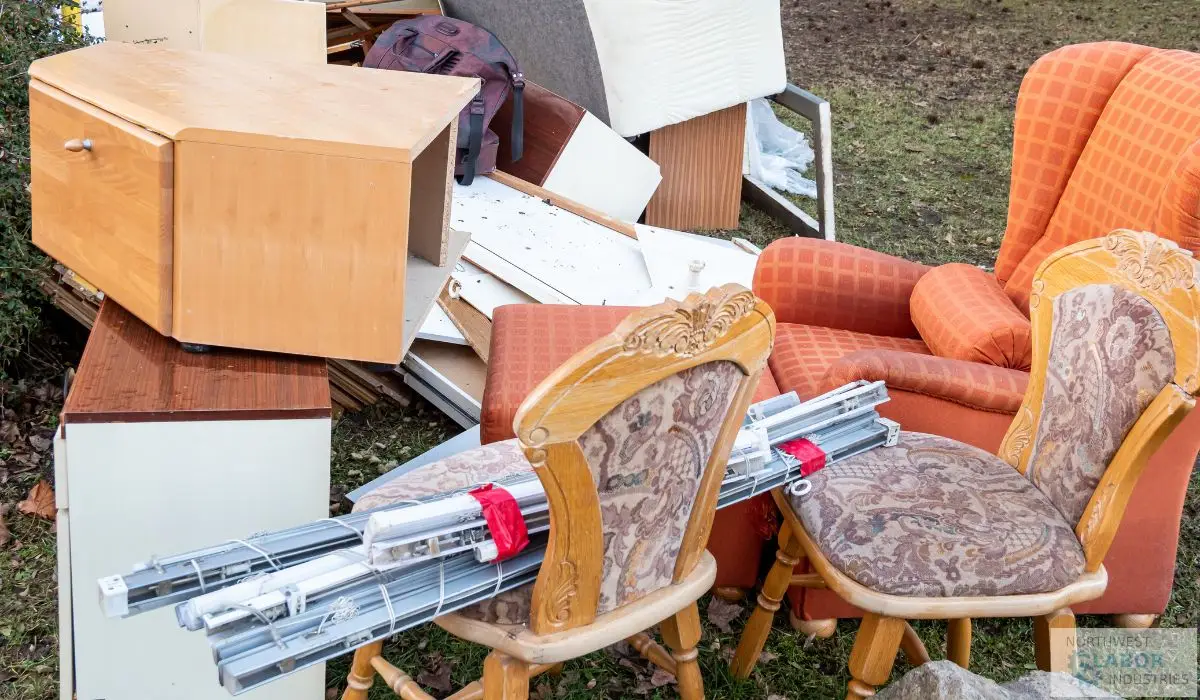
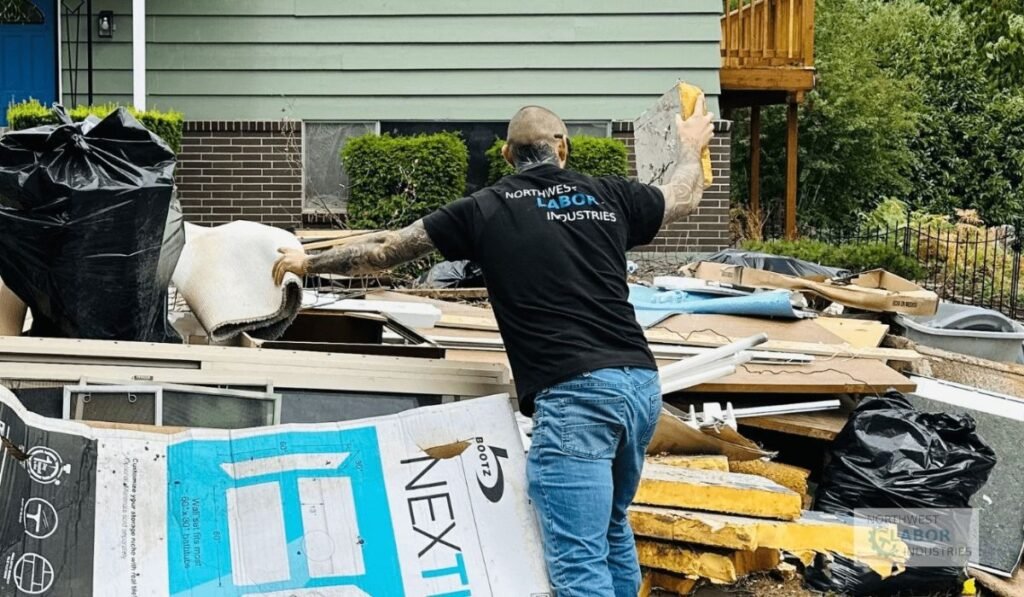
Efficient household waste management isn’t just about small daily trash. It also includes larger items like appliances and old furniture removal, which require proper handling to avoid accidents or environmental harm. Hazardous products, electronics, and flammable items should never go into the regular garbage.
By separating waste, using collection services, recycling electronics, and storing chemicals safely, you help protect your family, neighbors, and the environment. Keeping both small and bulky waste under control makes homes cleaner, safer, and easier to manage.
For local support, book online or contact our homepage for proper handling of your unwanted household waste.