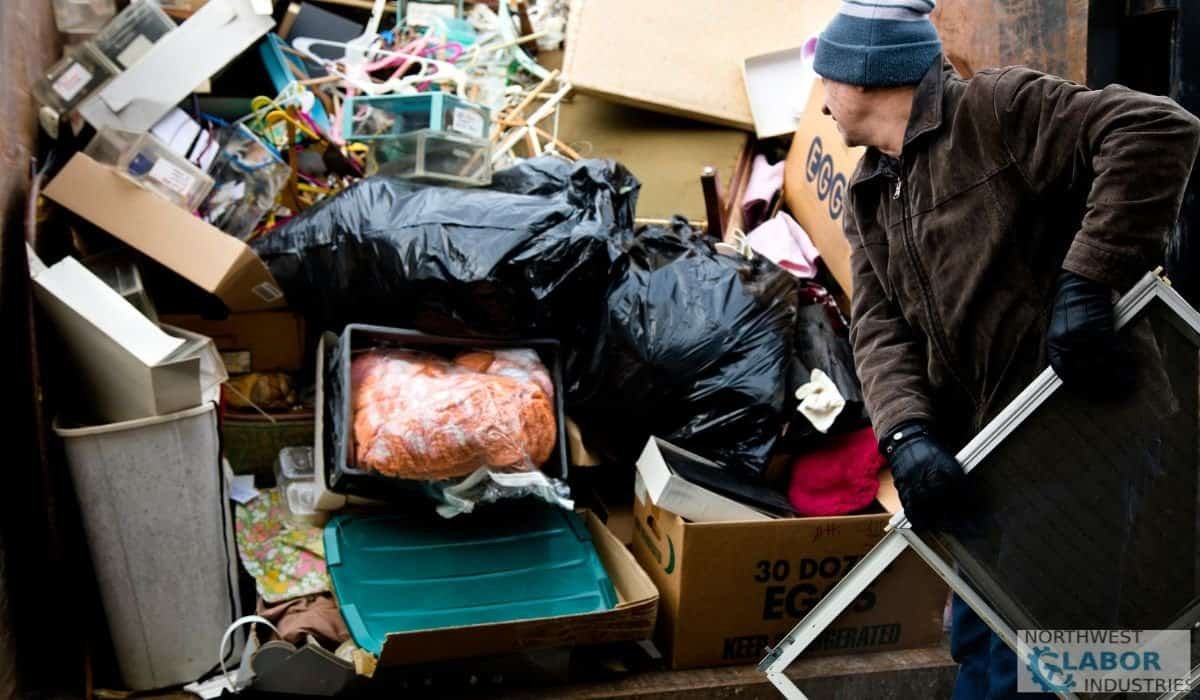

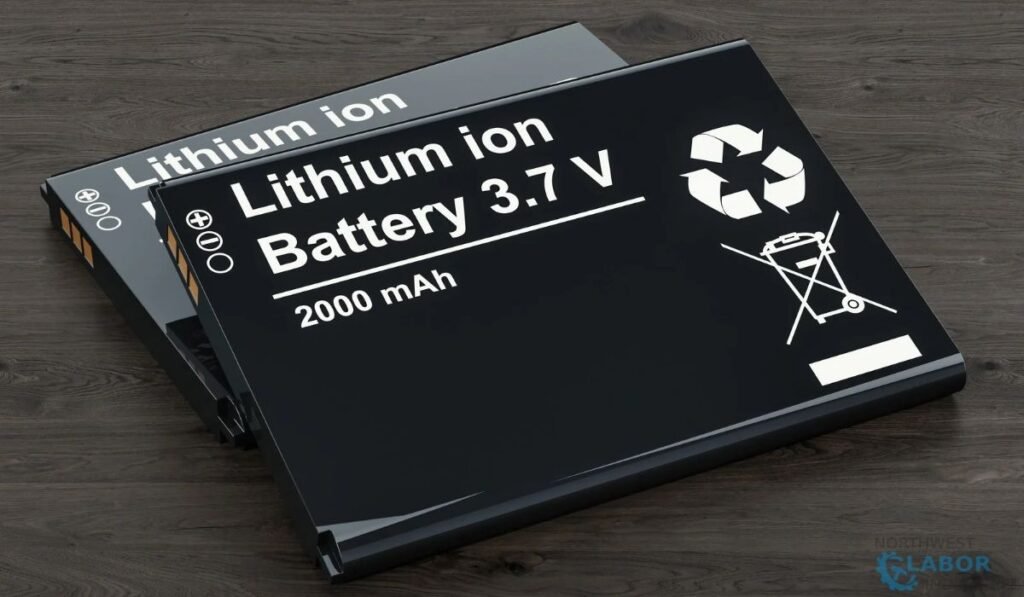
Seattle Fire has responded to 79 lithium-ion battery fires in two years. But do you know that many started with e-bikes, e-scooters, and portable electronics? That’s based on the Fireline post from Seattle Fire.
From what we’ve seen, a dead battery in the garbage is a fire hazard for the crews who haul it.
Batteries can’t go in Seattle’s trash. Tape the ends, bag them by type, and drop them at a free site. This guide shows how to dispose of batteries in Seattle, WA and covers proper battery disposal for every type in your home.
Want the bigger picture on why this matters? Our last article explains the effects of landfills on human health. When you finish here, our next read, 10 facts about littering, shows how small habits shape a city.
For cleanouts bigger than a battery drawer, our main post on the junk removal business explains how we handle them.
Short Summary
- Seattle has banned all batteries from the trash since January 2024, including alkaline ones.
- Crushed batteries can spark in trucks and transfer stations. Old ones can leak heavy metals into soil and water.
- Sort batteries into single-use, rechargeable and lead-acid. Check the label for “Li-ion,” “Ni-Cd” or “Pb.”
- Tape the terminals, bag each type separately, and store them in a cool, dry spot.
- Free drop-off sites are SPU’s transfer stations, its hazardous waste facilities, and Call2Recycle retail locations.
- Special Item Pickup collects batteries at home. SPU customers get one free pickup a year, then $5 each.
- Damaged or swollen batteries go to a hazardous waste facility only. Call 911 if one smokes or burns.
- Outside Seattle, King County hazardous waste sites take most household and car batteries.
Why Batteries Don’t Belong in Seattle’s Trash
Two problems explain the ban: fires and chemicals.
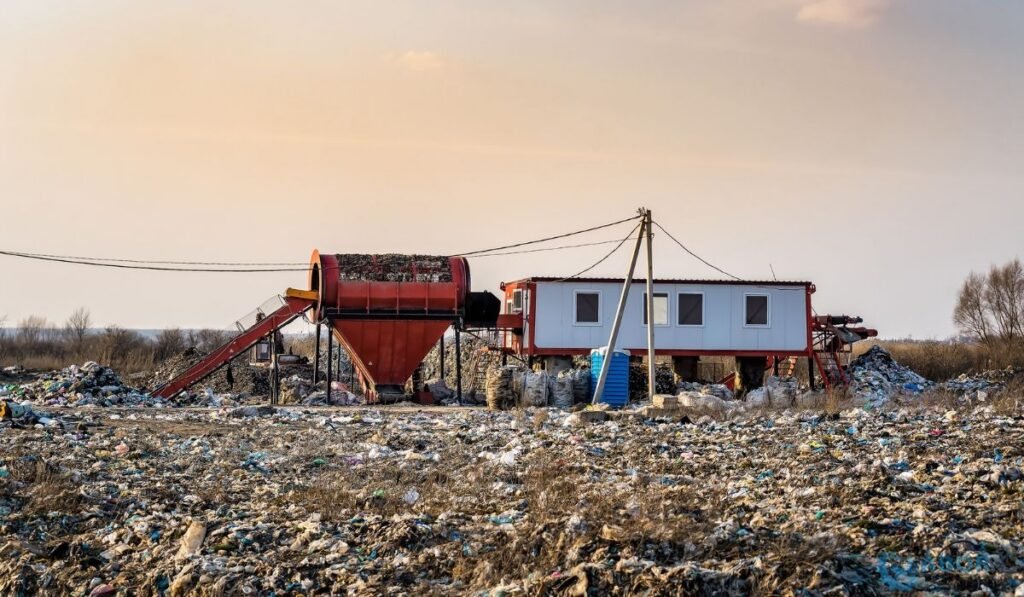
Fires in Trucks and Transfer Stations
Garbage trucks squeeze loads hard. One crushed battery in kitchen trash can spark.
Batteries now top the list of fire causes at Seattle’s city-run transfer stations, according to Waste Dive. Over 650,000 pounds entered the solid waste system in 2022, so trucks and recycling bins face the same fire hazard.
Chemicals That Harm People and the Planet
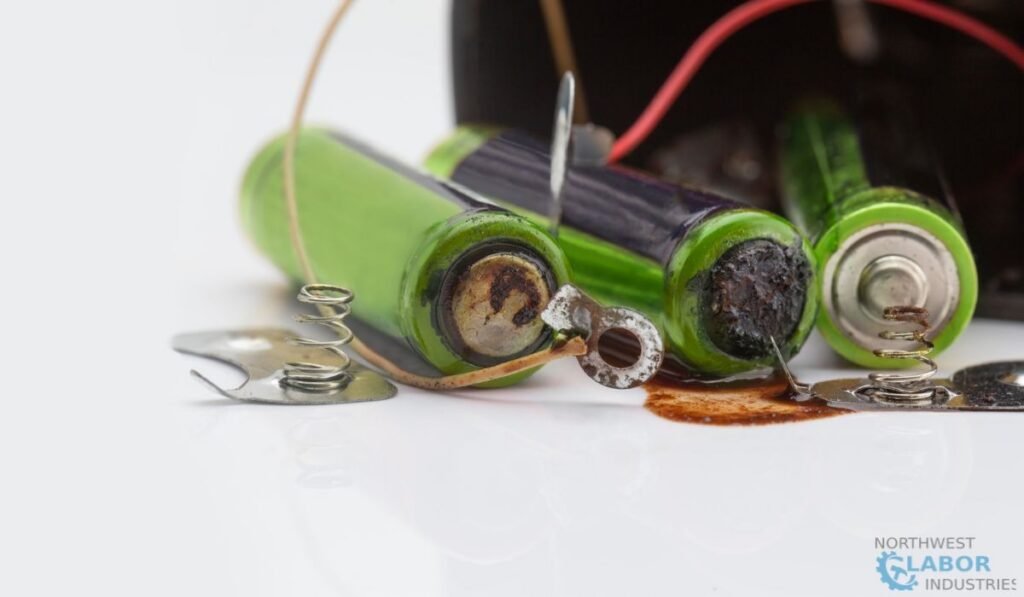
Old batteries can leak chemicals and heavy metals like lead, cadmium and mercury into soil and water at landfills. These hazardous substances create environmental hazards and threaten human health.
That’s why Seattle banned batteries from the garbage in January 2024, as Seattle Public Utilities announced.
Book Junk Removal Today!
Identify Your Battery Type Before You Dispose of It
Each of the types of batteries in your home follows its own rules. Sort yours into three groups, then check the label.
Single-Use Batteries
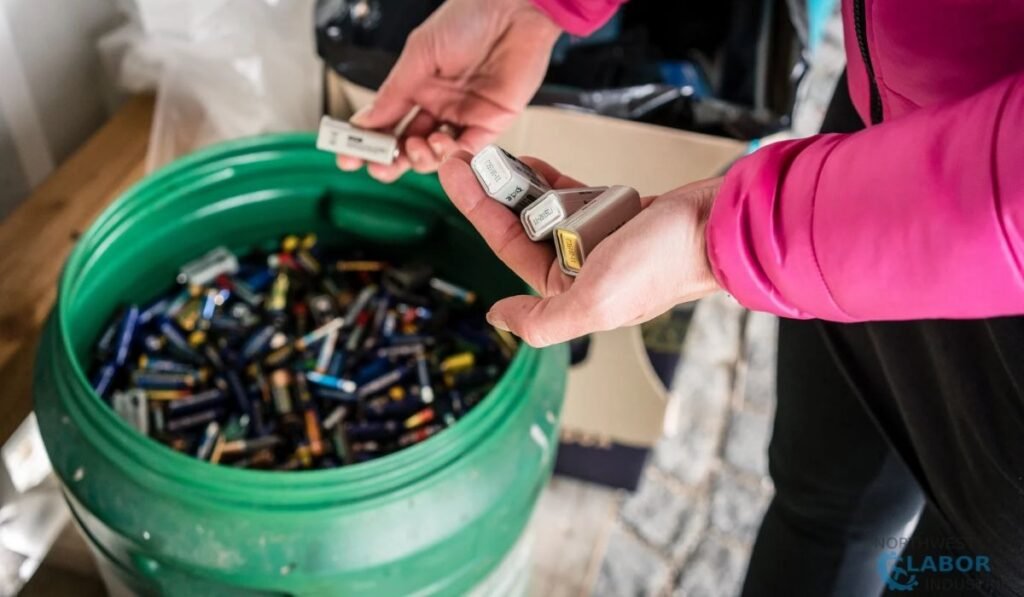
Single-use batteries include alkaline cells (AA, AAA, remotes, and wireless keyboards), zinc carbon, silver oxide, and button cell types. Lithium metal cells fit here too, like coin cells and some camera batteries.
Ever find a dead AA still sitting in an old remote?
Rechargeable Batteries
Rechargeable batteries come in a few common kinds. Lithium-ion batteries power laptops, phones, e-readers, power tools, and e-bikes. Nickel cadmium and nickel zinc cells make up the rest.
Lead-Acid Batteries
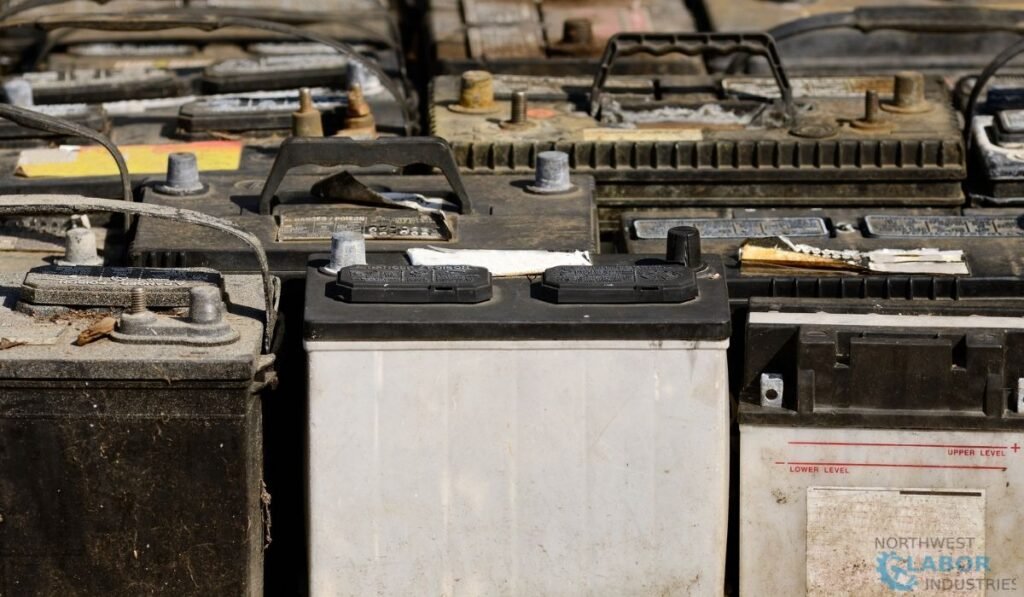
Lead acid batteries run cars and boats. They hold sulfuric acid, so they need their own handling.
On a typical garage cleanout, a car battery sits next to a box of AAs.
How to Read the Label
Look for these marks:
- Li-ion: lithium ion
- Ni-Cd: nickel cadmium
- Pb: lead acid
Is the battery removable? Take it out and recycle it on its own. Built-in batteries go with the device, such as tablets and e-readers.
How to Handle Batteries Safely Before Drop-Off
Here’s how to handle batteries safely at home. Good safe handling takes about five minutes.
- Tape the terminals with clear tape. This keeps the ends from touching metal and sparking.
- Place batteries in separate plastic bags, one bag per type.
- Store them in a cool, dry spot, away from metal. A plastic bin on a closet shelf works well.
- Take removable batteries out of the device when you can.
Warning Signs of a Damaged Lithium-Ion Battery
Watch for swelling, heat, leaking, or a strange smell. Ever see a phone rock on a flat table? A swollen battery may be the cause.
Only a household hazardous waste facility accepts damaged batteries. Skip the trash, recycling bins, and retail stores.
If it’s smoking or on fire, call 911, pronto.
Where to Drop Off Batteries in Seattle and King County
Here is how to dispose of batteries at the right drop-off location.
Free Drop-Off Options in Seattle
Seattle residents can drop batteries at the SPU North and South Transfer Stations. SPU’s household hazardous waste facilities and partner retail stores on Call2Recycle.org accept them too. All three are free and support battery recycling, per SPU’s At Your Service blog.
Prefer a pickup? Special Item Pickup collects batteries at your home. Since April 2026, SPU customers get one free battery pickup a year, then $5 each, according to SPU. Apartment residents book through their property manager.
Quick Table: Where Each Battery Goes
Not sure where yours goes? Here’s a quick guide based on SPU’s battery ban flyer.
| Battery | Where to take it |
| Alkaline, rechargeable, button | Hazardous waste facility, transfer station, special item pickup, or retail (Call2Recycle) |
| Damaged or swollen | Hazardous waste facility only |
| Car (lead acid batteries) | Hazardous waste facility or transfer station |
| Power tools | Hazardous waste facility or retail (Call2Recycle) |
| E-bike / e-scooter | Retail drop-off (Call2Recycle) or the bike’s maker or seller |
| Tablets, e-readers | Special item pickup or E-Cycle WA |
| Cellphones | Special item pickup or retail (Call2Recycle) |
Living Outside Seattle City Limits?
King County hazardous waste sites, including Factoria and Auburn, take alkaline, button, laptop, rechargeable and car batteries. Batteries from electric vehicles are the exception, so contact the dealer or maker.
What Changes in 2027
Washington’s battery law makes producers fund a statewide collection program starting January 1, 2027. From July 1, 2027, retailers can sell portable batteries only from producers in that program. Stores are not required to host collection sites, so call ahead, per the final bill report.
Final Thoughts
Three steps cover it: identify the battery, handle it safely, then drop it at the right place. Proper battery disposal turns old cells into raw materials that get reused. That protects our community, sanitation workers, and neighbors alike from fires.
Curious how to dispose of batteries during a cleanout? We haul clutter and old electronics. Hazardous materials stay off our truck. Visit the homepage to see how NWLI junk removal can help.