
Seattle residents and businesses sent roughly 50,396 tons of food waste to landfills in 2024 alone. That’s 19% of all waste collected that year. When organic material breaks down underground without oxygen, it releases methane emissions, a greenhouse gas far more potent than CO₂. That’s a serious driver of climate change, and it’s happening right in our backyard.
For Metro Seattle households, responsible food disposal and recycling aren’t optional; they’re the law. From our experience, most residents want to do the right thing but aren’t sure where to start.
This guide covers exactly how to dispose food waste at home in Seattle, WA, from smart kitchen habits to composting and everything in between.
This article is part of a broader series on managing household junk responsibly. If you missed our last piece on ways to reduce household waste, it’s worth a read. Next up, we’ll tackle clothes disposal, another area where small choices make a big difference.
Short Summary
- Plan meals and store food scraps wisely to cut down on wasted food and save money.
- Follow Seattle rules by using the right food waste container and bins for proper food waste collection.
- Choose a composting system like backyard composting or a vermicomposting bin that fits your home.
- Keep organic materials out of regular garbage to protect the environment and lower methane emissions.
- Small daily habits lead to cleaner kitchens and stronger community sustainability.
Plan Ahead to Reduce Food Waste and Save Money
Smart choices at the start cut down on wasted food later. We see it every week in our work. Families who plan ahead toss less and keep more cash in their pockets.
Smart Shopping and Meal Planning
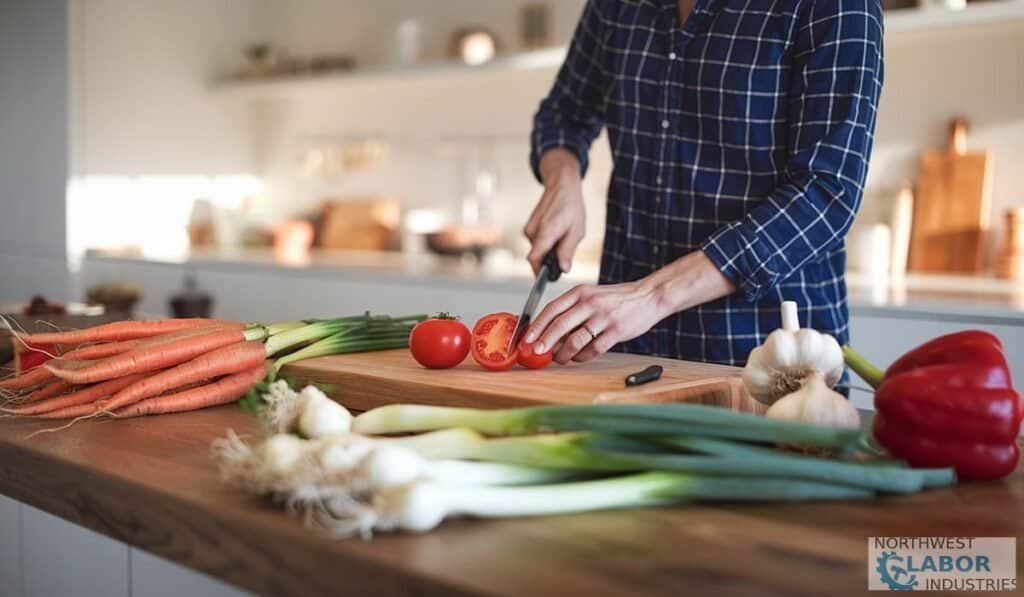
Strategic meal planning changes the game. Take fifteen minutes each Sunday to map out your meals for the week.
Check your pantry first. See what you already have. Then build your shopping list around those ingredients. This simple habit cuts down on leftovers that spoil before you get to them.
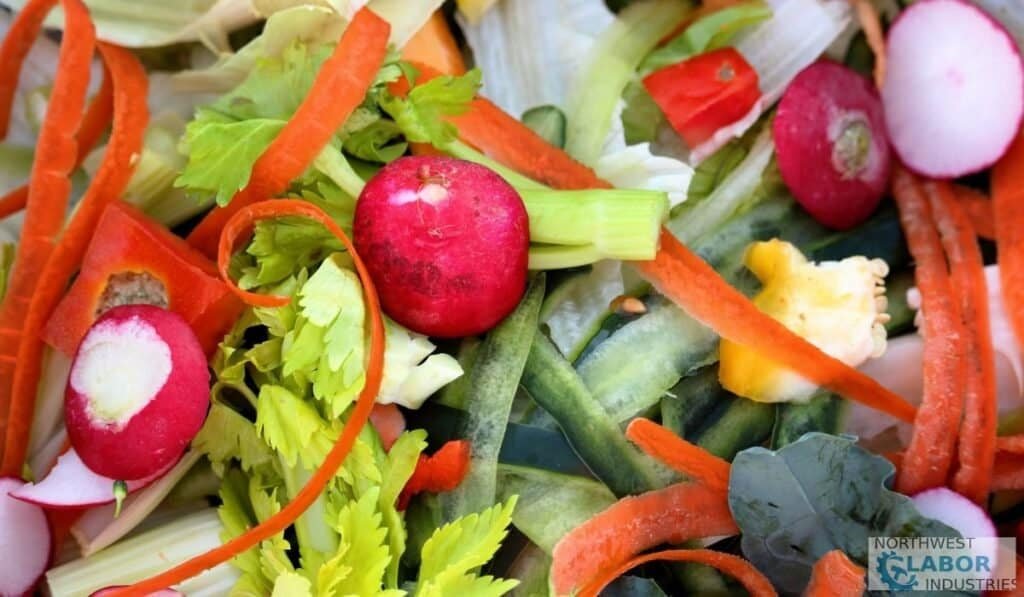
Those aging vegetables in your crisper drawer? They are gold. Save vegetable scraps, onion skins, carrot peels, and celery ends in a freezer bag. Same with fruit scraps like apple cores and citrus peels, but in a separate bag.
(Use apple cores and citrus peels to make homemade apple cider vinegar, countertop citrus cleaners, or simply divert them directly to your compost pile or municipal green bin.)
When the bag fills up, simmer everything with water to make homemade stock. Toss in leftover meat bones or fish carcasses for extra flavor. You get free broth and reduce the wasted food that would otherwise hit the trash.
Smart Storage Strategies
Your freezer becomes a key ally here. Pop extra food scraps inside right away. They stay fresh until you need them. No more foul odors in the kitchen. Fruit flies stay away, too. Simple bags or containers work fine. Label them quick so you grab the right one later.
These habits help us reduce food waste and save money on replacements. Small actions add up fast.
Book Junk Removal Today!
Navigating Seattle’s Food Waste Collection Rules
Seattle takes food waste collection seriously. Local rules keep organic materials out of regular garbage. We help many homes set up systems that work smoothly with city pickup.
The Legal Mandate
Mixing organic materials with standard landfill trash breaks the rules. The local council enforces this through your utility bill. Fines can hit after warnings. Designated bins make compliance easy. Check Seattle Public Utilities guidelines for exact details.
Setting Up Your Collection System
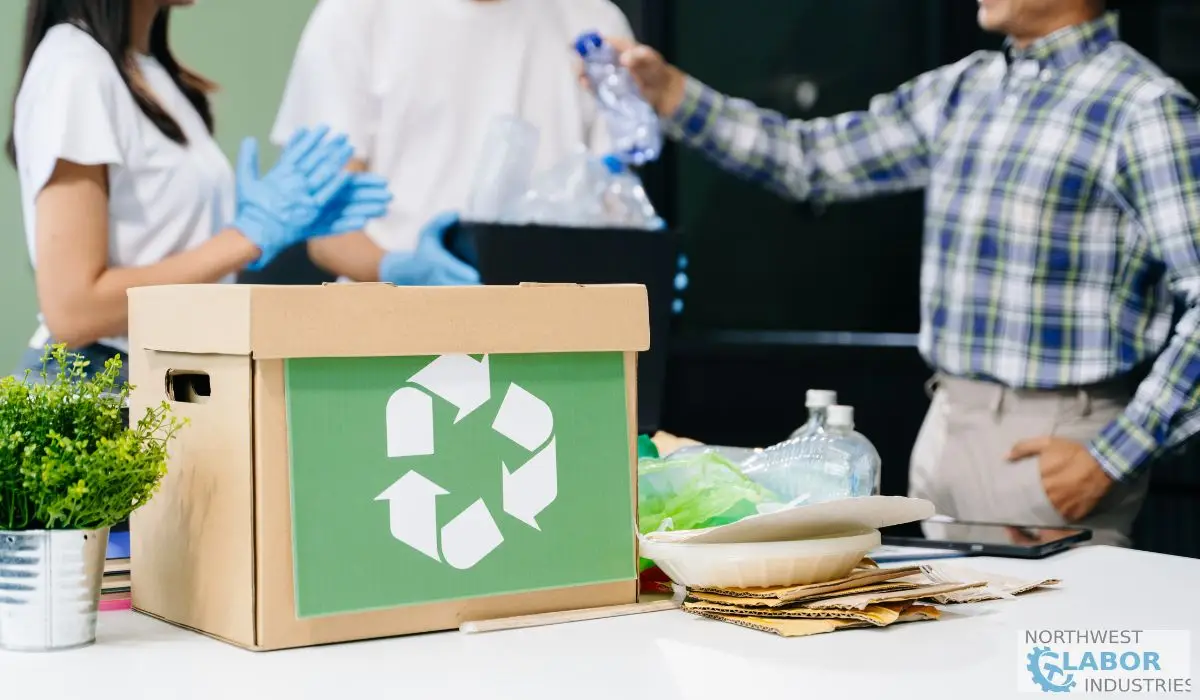
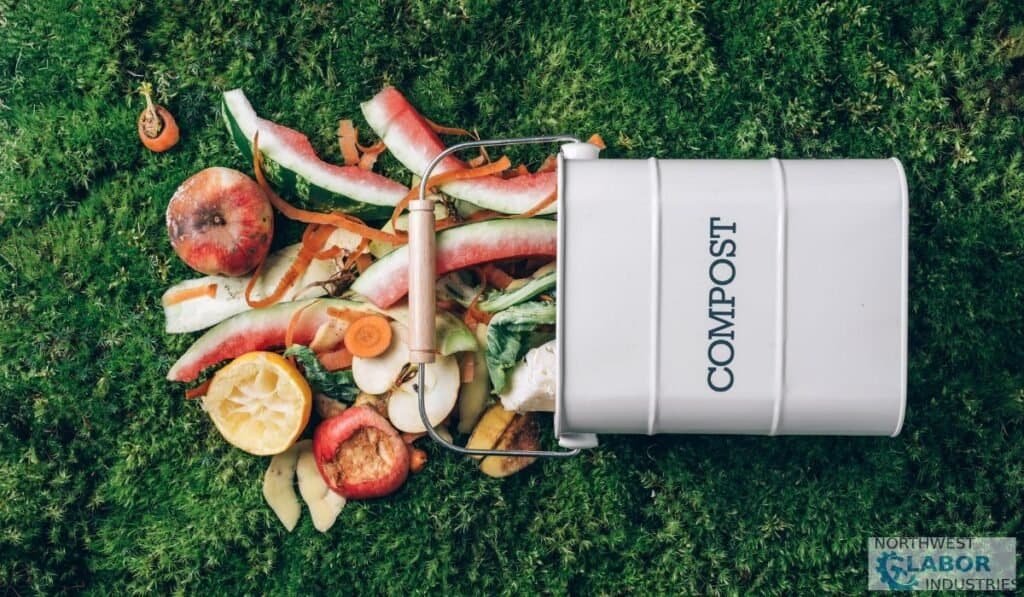
Grab a food waste container with a tight-fitting lid. Place it on the counter or under the sink. This spot handles daily plate scrapings without hassle. Line it with approved compostable liners.
Skip plastic bags or plastic packaging completely. They contaminate the whole load. A small container at a convenient location changes everything.
What Belongs in the Green Bin
Toss in food scraps, dairy products, coffee grounds, tea bags, and paper towels. Local haulers pick it up. They deliver everything to commercial composting facilities.
There, the material turns into rich organic fertilizers. This process keeps waste streams separate and supports the broader environment.
How to Dispose Food Waste at Home Through Composting and Alternative Methods
Composting doesn’t have to be complicated. From setting up your first compost bin to exploring high-tech alternatives, here’s what actually works.
Choosing Your Composting Setup
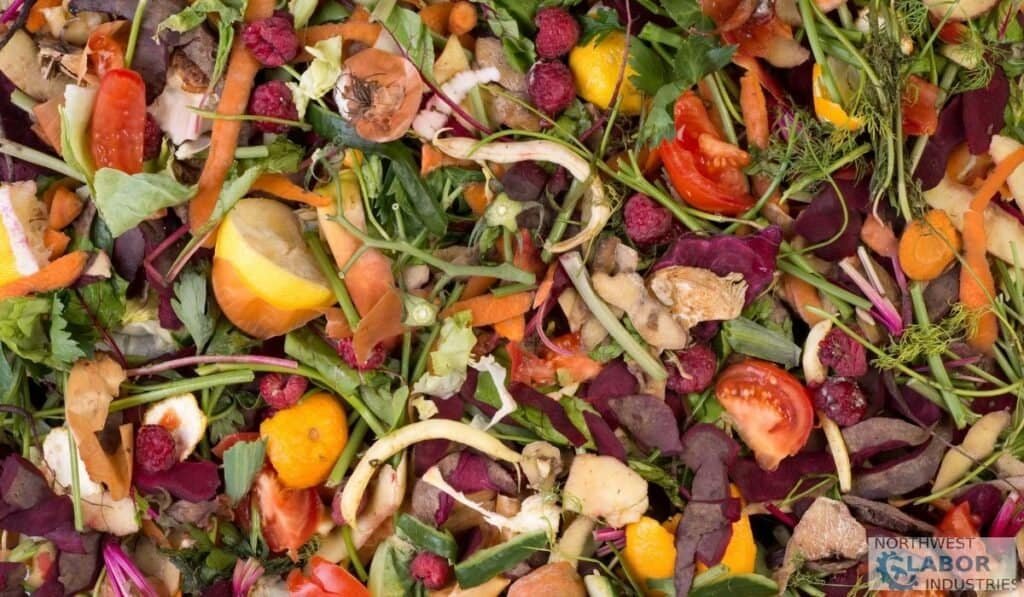
A backyard compost pile or simple outdoor compost bin suits houses with yards. Apartment folks in King County often choose an indoor vermicomposting bin, also called a worm bin.
These take up less space. They fit neatly on a balcony or under the sink. One family we worked with started small in their condo. Within weeks, they had rich material for potted herbs.
Balancing Your Compost Pile
Success comes from the right mix. Layer greens like vegetable scraps with browns such as wood chips or dry leaves. Aim for a proper ratio of about one part greens to two or three parts browns.
Keep the pile moist like a wrung-out sponge. A healthy compost pile hits 130 to 160 degrees Fahrenheit inside. That heat speeds things up. Most folks produce compost in three to five months.
What to Keep Out
Leave out animal waste, pet waste, and human waste. Skip meat and dairy in a home pile too. These items draw critters and spread germs. We saw one pile go wrong fast after someone added bones! So stick to plant-based scraps for smooth results.
Garbage Disposals and High-Tech Alternatives
A garbage disposal handles tiny bits. Use it lightly, though. It can raise waste costs at the treatment plant and clog pipes over time. Never send coffee grounds, fats, oils, or grease down the drain. They harden and cause real headaches.
For a more forward-thinking approach, consider a Bokashi fermentation bucket. It handles other materials a compost pile won’t, including small amounts of meat and dairy.
Home anaerobic digesters go even further, breaking down organic matter to generate renewable energy in the form of biogas. As the EPA notes, anaerobic digestion diverts waste and produces usable energy simultaneously. Pretty resourceful for a kitchen appliance, don’t you think?
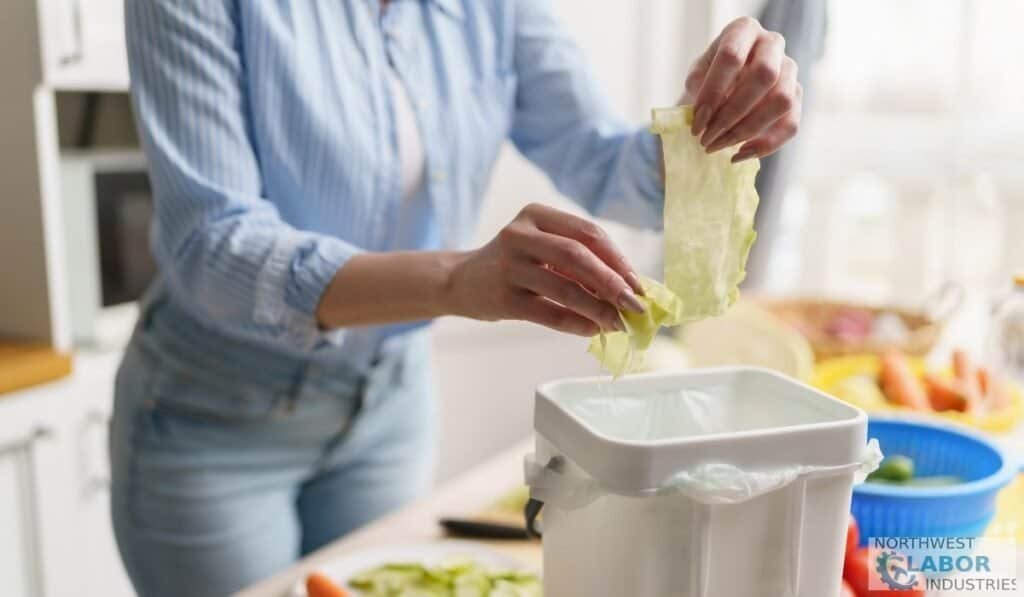
We tell people to start composting with what they have. Turn the pile weekly for air flow. The end product boosts soil health and nutrient-rich soil. Your plants show strong plant growth as a result. Check King County guidelines here: kingcounty.gov/compost.
Final Thoughts: Building a More Sustainable Future
Small habits add up. Separating waste streams, picking the right composting method, and cutting back on what comes into the kitchen — these choices protect the Pacific Northwest environment one household at a time.
Every bit of organic materials kept out of the landfill feeds soil health, supports plant growth, and helps reduce greenhouse gas emissions across the region. That’s a real environmental impact, and it starts at home.
For bigger jobs, like bulk yard waste, full home cleanouts, or estate transitions, Northwest Labor Industries handles responsible disposal across Metro Seattle. Stop by our homepage to see how the team can help build a truly sustainable future, together.