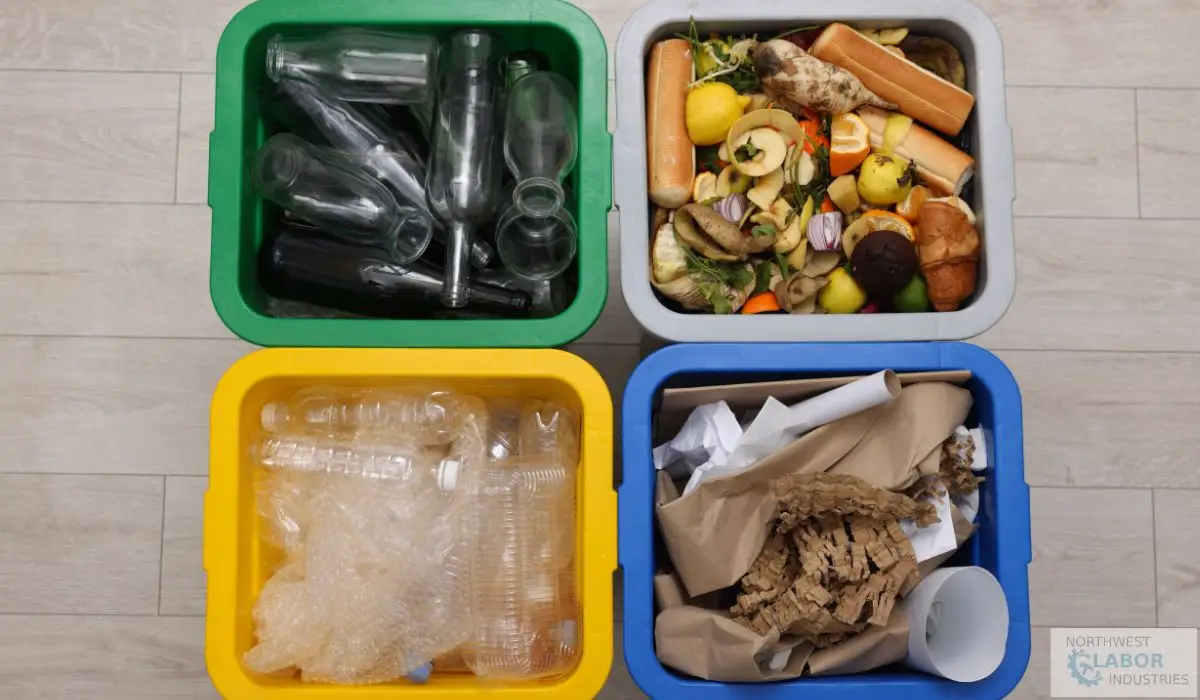


Americans threw out 12.1 million tons of furniture and furnishings in 2018, and about 80% of it went to landfills. Household junk in Seattle, WA means the non-hazardous unwanted items that stack up at home, like furniture, appliances, electronics, and yard waste.
It rarely starts big, speaking from our experience. A few boxes land in the garage, then a broken fan, then a bed frame, and the spare room becomes storage nobody planned. Clutter works that way.
This guide is for Seattle and Greater Seattle homeowners and renters who want a clear plan. We walk through three decisions: what counts as junk, where it can go, and who does the heavy work. You will finish with real fees, local options, and a next step.
Our earlier post on eco-friendly junk removal covers how to keep reusable items out of the landfill. Up next, we look at real estate junk removal for sellers on a deadline. For the full picture, check this guide to junk removal is the best place to start.
Short Summary
- Household junk means non-hazardous, unwanted items like furniture, appliances, electronics, and yard waste.
- Paint, chemicals, CFC appliances, mattresses, and batteries need special handling. Portable battery collection starts July 1, 2027.
- Sort with the Keep, Donate, Recycle, or Toss method, and send good items to local charities and recycling centers first.
- Seattle Public Utilities Special Item Pickup gives each account one free battery and Special Item Box pickup a year. Large items cost $30 each, and fridges or freezers with CFCs cost $38.
- King County self-haul rates rise January 1, 2027, so check current fees first.
- DIY hauling suits one item or a small load. Bigger jobs cost more in time, effort, and fuel.
- When hiring, vet the company, send photos for a quote, and get the final price in writing.
What Counts as Household Junk (and What Needs Special Handling)
Some items belong at the curb, and others need a different route. We start with the everyday pile, then cover the tricky ones.
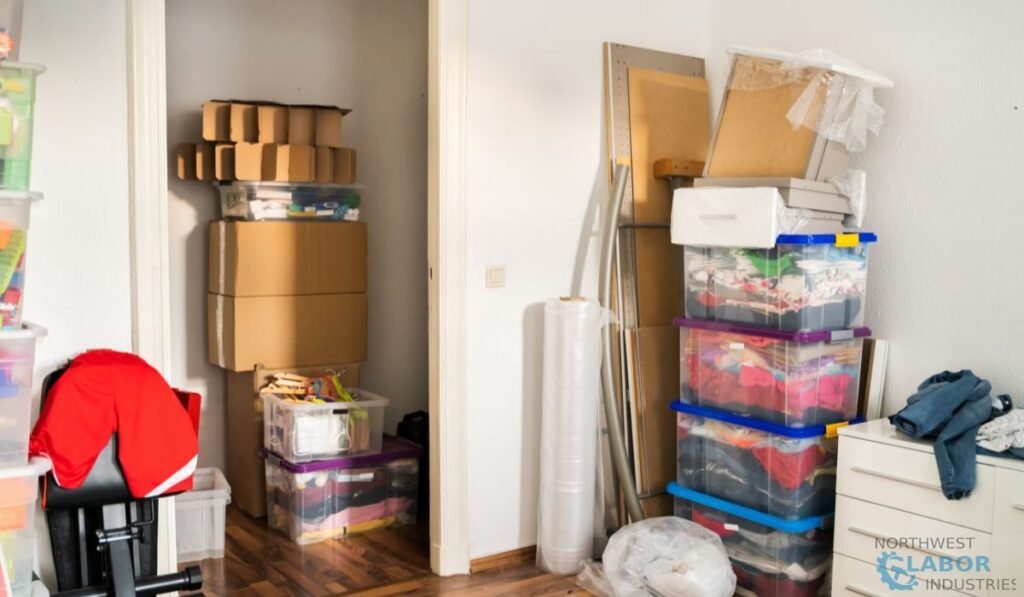
Everyday Junk Around the House
Junk is just one slice of household waste, the slice that outgrows your regular cart.
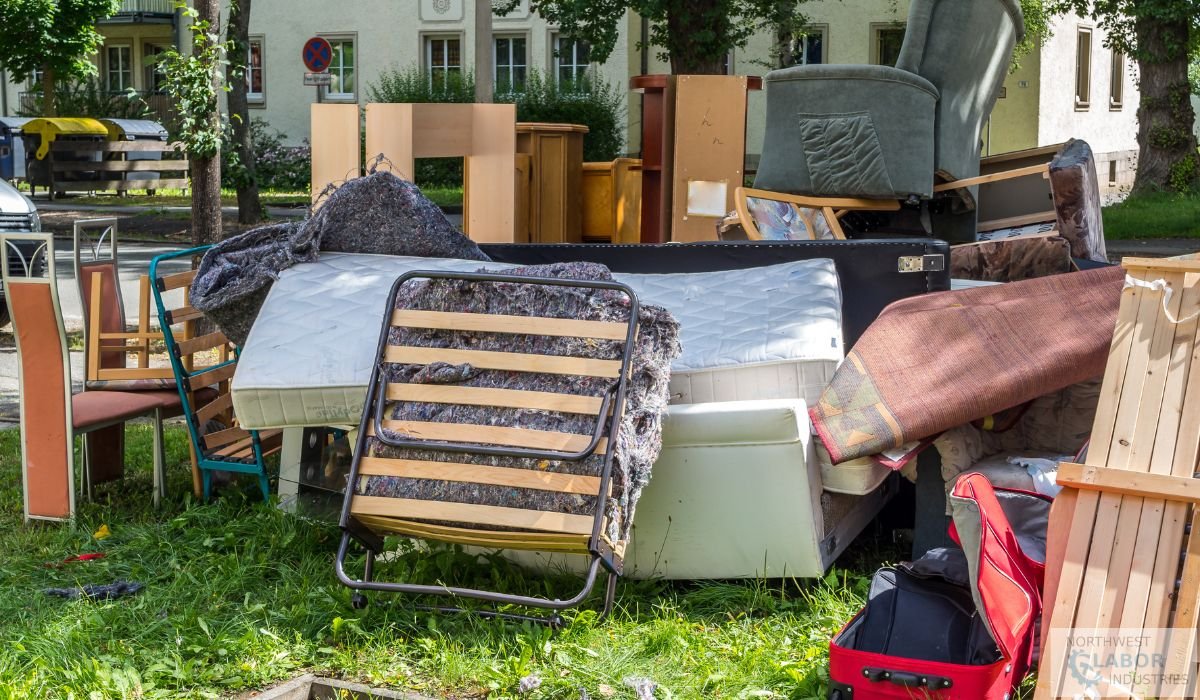
Think unwanted furniture, appliances, small electronics, and any bulky item that needs two people to carry. Sofas and dead dryers top the list.
Yard waste and small piles of remodel debris count too. Material from a construction site, known as construction debris, follows different rules.
Why does one “temporary” box turn into twelve? That’s how most garage cleanouts begin after a move. And often, estate cleanouts after a loss involve a whole house at once.
Daily trash and food scraps stay in your regular carts. See how to dispose of food waste at home for easy steps.
Items That Need Special Handling
Paint, chemicals, and appliances with refrigerants (CFCs) hold liquids or gases that harm soil, water, and air. That keeps them out of regular trash. This guide to household hazardous waste disposal lists safe drop-off spots.
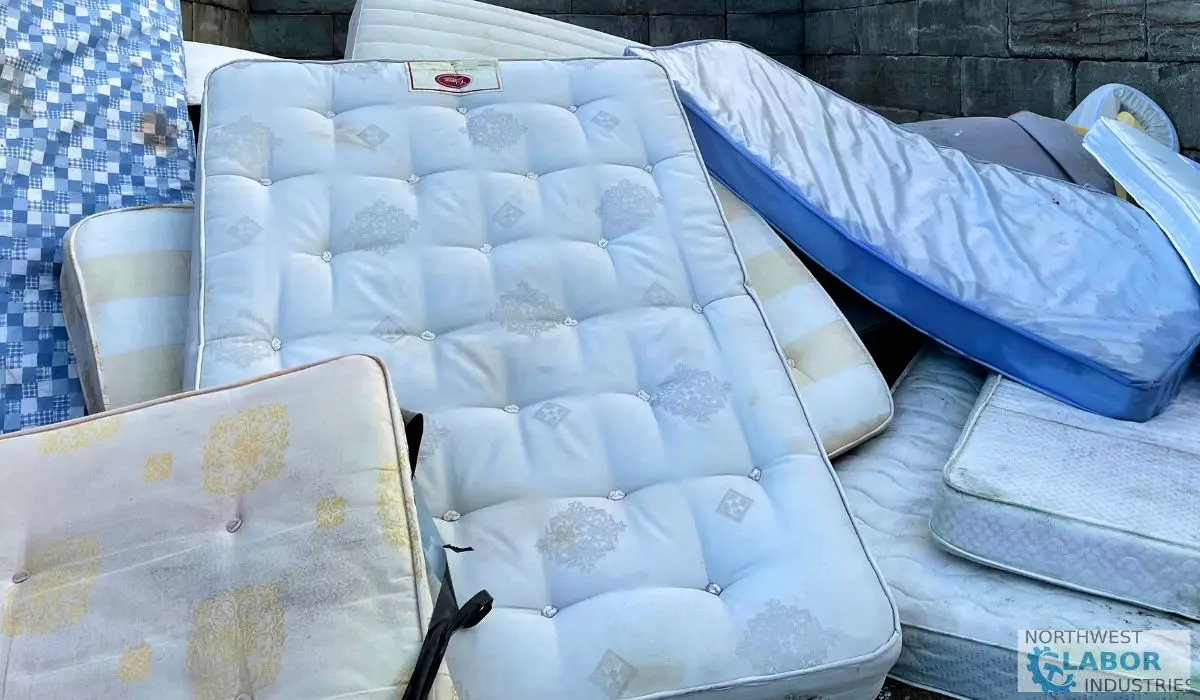
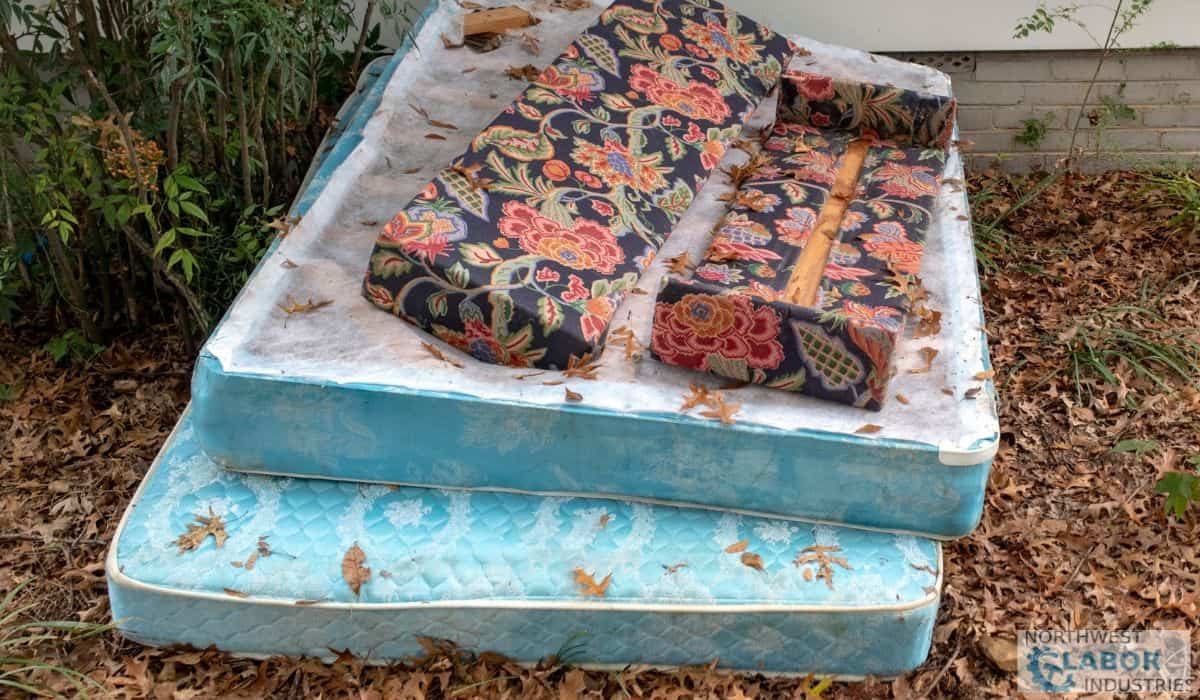
Mattresses need special handling because they are too large for any cart. Learn the options in this old mattress disposal guide.
Seattle already bars batteries from the garbage. Ecology’s battery stewardship program took effect in 2026, and portable battery collection starts July 1, 2027. Until then, use SPU’s free annual battery bag or existing drop-off spots.
Tape the ends of rechargeable batteries to prevent fires. A labeled bin in the garage keeps dead ones together until pickup day.
Book Junk Removal Today!
Sort Smarter: Donate, Recycle, or Dispose Responsibly
A quick sort saves money and keeps good items in use. Below, we cover a simple method, local drop-off spots, and Seattle’s city pickup.
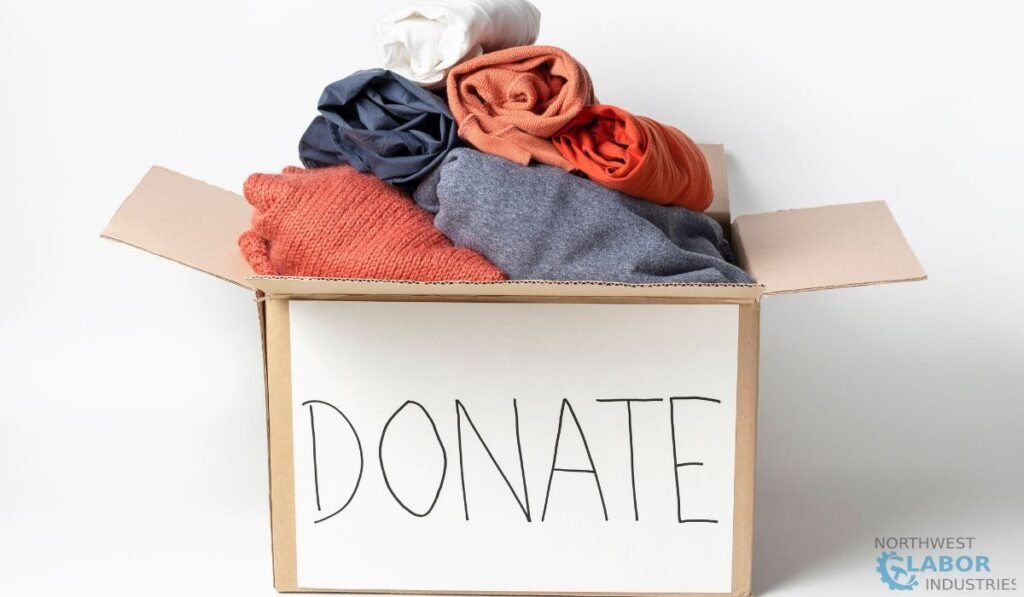
The Keep, Donate, Recycle, or Toss Method
The first step of good household waste management is a quick sort. Grab painter’s tape and mark four spots on the garage floor.
- Keep: you used it in the past year.
- Donate: it works and someone else would use it.
- Recycle: it is broken but made of metal or electronics.
- Toss: none of the above.
Did you wear that jacket this winter? If the answer takes longer than three seconds, it joins the donate pile.
For example, a cracked toaster oven goes to recycle, and a working lamp goes to donate. Move each item only once, and the pile shrinks fast.
Donate and Recycle First
Local charities usually accept furniture and clothing in good condition. But you should call first, because each one sets its own pickup rules. Worn-out items follow separate clothes disposal routes.
Tip: photograph larger pieces and text the photos to the charity first. A quick yes saves a wasted trip.
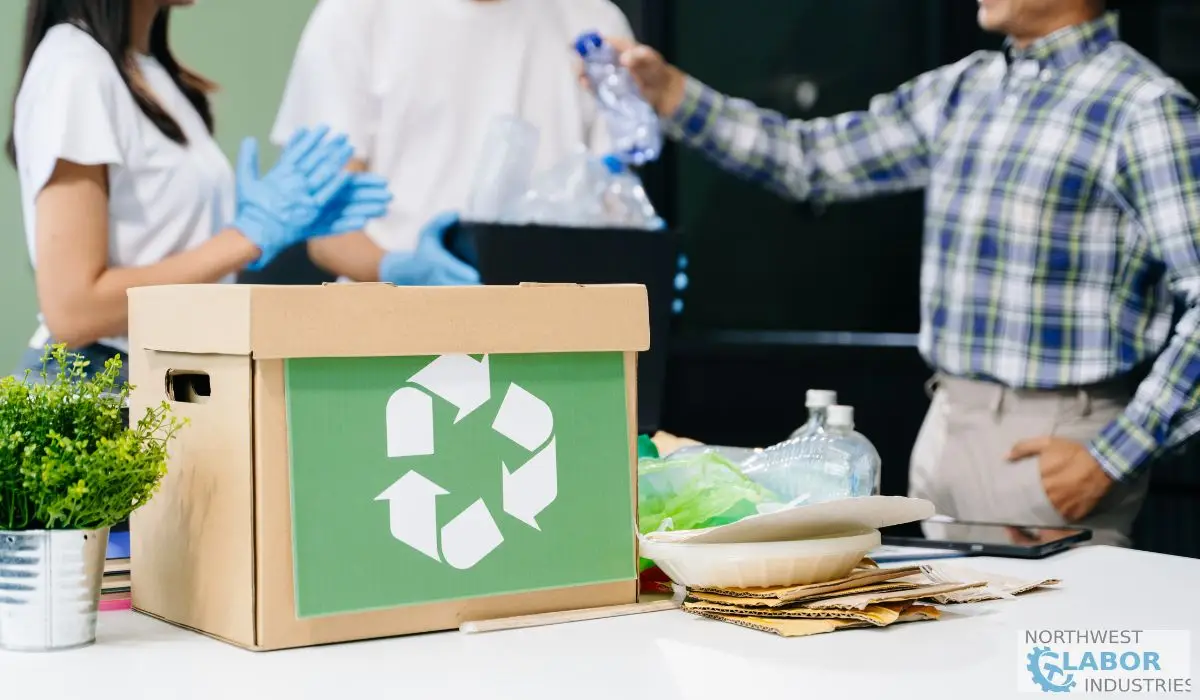
Recycling centers take electronics and scrap metal at free or low-cost drop-off spots. For the smaller stuff, these ways to recycle at home keep it out of the bin.
The reuse-first idea drives eco-friendly junk removal, and these ways to reduce household waste show how to start.
Seattle Public Utilities Special Item Pickup
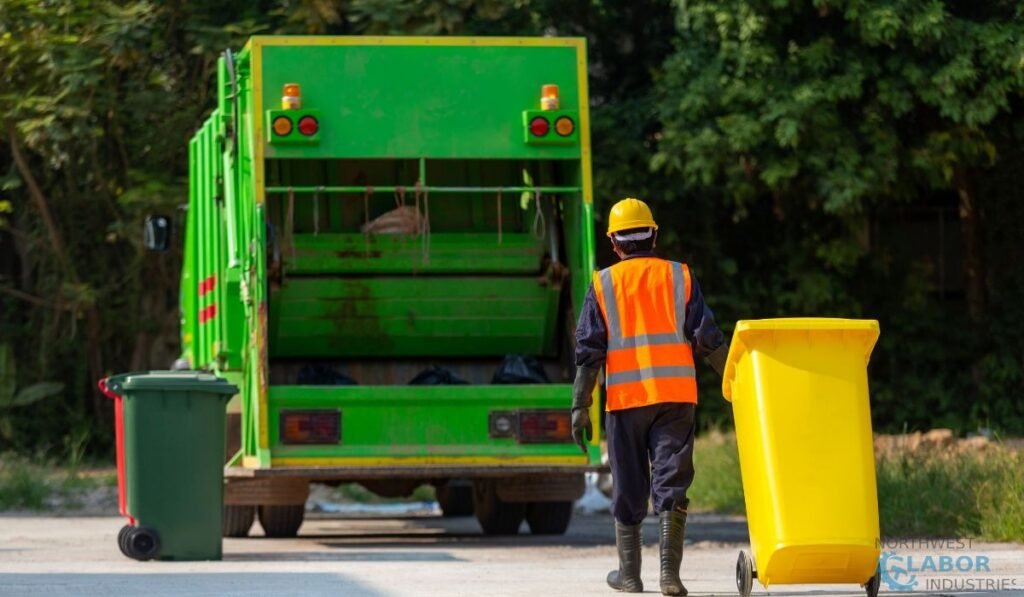
Seattle Public Utilities runs a special item pickup service. Book online with your SPU account or call (206) 684-3000.
Since April 2026, each account gets one free pickup a year. It covers a gallon bag of batteries and one special item box. The box maxes out at 2 x 2 x 2 feet and 60 pounds.
Large items cost $30 each. Fridges and freezers with CFCs cost $38.
Apartment residents book through their property managers, since the building holds the account. Items go out on your regular collection day, but only after SPU confirms the booking.
SPU picks up your items on your next regular garbage day after confirming your booking. And remember to cover items if it rains!
Haul It Yourself: King County Transfer Stations and Fees
A truck, a free Saturday, and a plan can clear a small pile. Here’s how a station visit works, what it costs, and where it falls short.
How Self-Hauling Works
At a King County transfer station, the scale weighs your vehicle on the way in. Next, you unload in the marked area and drive across the scale again.
Then you pay by card, cash, or Apple Pay. Sedans and two-door hatchbacks pay only the minimum fee.
Nearby cities run stations too, and Seattle has its own north and south sites. Check hours on the King County transfer stations page before you load up.
2026 vs. 2027 Rates
The county raises its self-haul rates on January 1, 2027, so timing matters. Here’s the side-by-side, based on the current fee page and the 2027 rate announcement.
| Fee | 2026 | January 2027 |
| Minimum fee (sedans, two-door hatchbacks) | $40.25 | $43.50 |
| Per-ton rate (all other vehicles) | $243.38 | $264.01 |
| Yard waste (minimum / per ton) | $20.70 / $129.38 | $22.50 / $140.50 |
| Unsecured-load fee | $25 | Not in the 2027 notice |
| Mattress fee (per item) | $30 to $33.39 | Not in the 2027 notice |
At current rates, a 500-pound pickup load costs about $61, and a 1,000-pound load runs about $122.
Want to skip the mattress fee? Here is how to cut up a mattress for disposal as a DIY option.
The Hidden Costs of a DIY Haul
The fee is only the start. Truck space runs out fast, and one sofa can fill half a pickup bed.
Heavy lifting adds up too. A dresser, a washer, and some boxes meant a sore back and a friend owed pizza.
Then come multiple trips, fuel costs, and wait times. Saturday lines can run long, and each round trip burns more gas.
For example, strap down every item before you leave, since an unsecured load adds a $25 fee.
Our honest advice: DIY works for one item or a small load. A bigger job adds up fast in time and effort.
How many trips will it take, and what is your Saturday worth?
Hiring Junk Removal Services in Seattle: What to Look For
Some jobs call for professional junk removal services. Here is when to hire, what you get, and how to pick a company you can trust.

When Hiring Makes Sense
Hire help when the load is large, the stairs are steep, or the deadline is close. Junk removal in Seattle often means narrow stairwells and tight street parking.
Estate cleanouts and moves without a truck fit too. A crew skilled in old furniture removal carries a sectional down three flights safely.
A third-floor walk-up with a king-size bed frame? Job for the pros.
Full Service vs. Single-Item Pickup
Full-service junk removal covers the lifting, loading, and sweeping up. You point, and the crew does the rest.
A single-item pickup removes one piece, such as a couch, for a smaller fee. For example, one dresser might fit a single-item pickup, while a full garage calls for the whole crew.
Most local junk removal providers include labor, hauling, and disposal in the price. Ask whether stairs or oversize items cost extra.
Your Vetting Checklist
Before you book, run each company through this list:
- Locally owned: ask who owns the company and where the crew is based.
- Background checked crews: they will be working inside your home.
- Recent crew reviews: read the last few months, not only the star rating.
- Donates and recycles, not just dumps: ask where your items go.
- Gives a clear arrival window, such as a two-hour block.
A 5.0 rating from three reviews is a hint, not proof. Any company worth hiring answers these questions on the first call.
How to Get an Accurate Quote
Most companies price by volume, meaning how much of the truck your load fills. A full truck costs more than a quarter truck.
Send photos for a faster, more accurate quote. Snap the whole pile, plus any items on stairs or in tight spots.
Get the final price in writing before work starts. A price on paper keeps surprises off the invoice.
You can see what our crews haul on our junk removal service page.
Final Thoughts
First, spot what is junk. Donate and recycle what still works, haul small loads yourself, and call a pro for the rest.
King County fees change in January 2027, so check current rates before you haul. Two minutes of reading beats a surprise at the scale.
If the pile is more than you want to handle, contact Northwest Labor Industries for a free estimate. Stop by our homepage to see how our junk removal crews work in Seattle.