
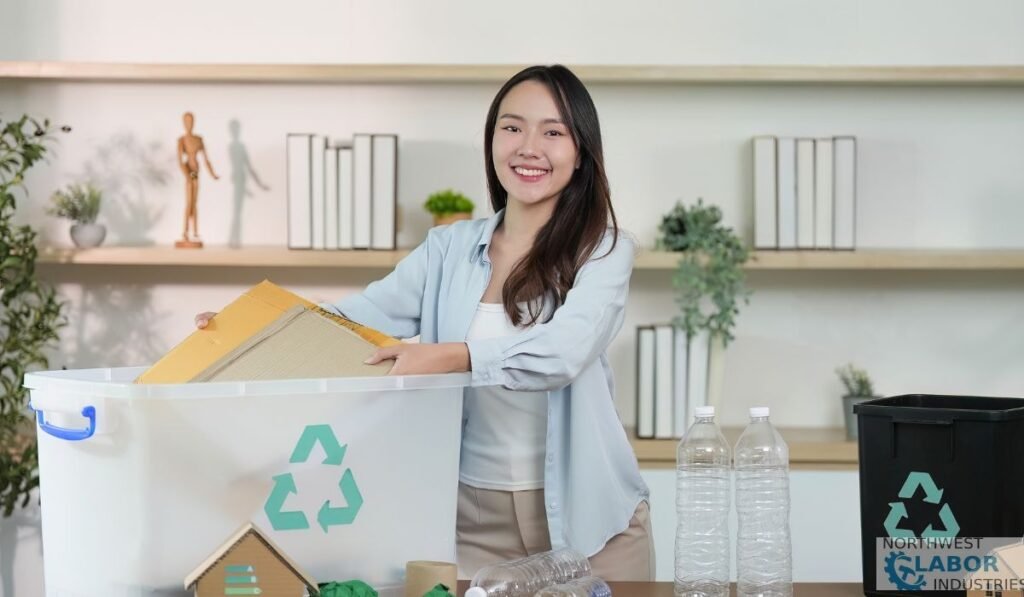
Seattle currently recycles and composts about 53% of its waste. To hit the city’s 70% goal, we all need to pitch in right where we live. This guide cuts through the confusion with seven clear ways to recycle at home in Seattle, WA that actually work.
From our experience, small shifts in your home recycling routine make a huge difference for our city. We’ll walk you through the latest rules and simple steps to recycle at home effectively.
This post is part of our wider series on Seattle waste management. If you missed our discussion on Seattle air pollution, check it out. Stay tuned for a discussion on local recycling statistics coming soon.
Short Summary
- Follow the “Clean & Dry” Rule: Rinse out containers before placing them in your recycling bin to prevent contamination.
- Compost All Food Waste: Scrape food scraps like coffee grounds and greasy pizza boxes into your compost bin, not the trash or recycling.
- Keep Plastic Bags Out of Curbside Bins: Take plastic shopping bags back to grocery stores for drop-off recycling.
- Schedule Special Pickups for Hazardous Items: Use Seattle’s services to recycle batteries and light bulbs separately.
- Reuse Before Recycling: Find a new life for items like jars or old sheets to reduce waste.
7 Simple Ways to Recycle at Home and Reduce Waste
Forget complex theories. Real change happens with simple actions. Here are seven practical steps any Seattle household can take right now.
Way 1 – Follow the “Clean & Dry” Rule for Curbside Bins
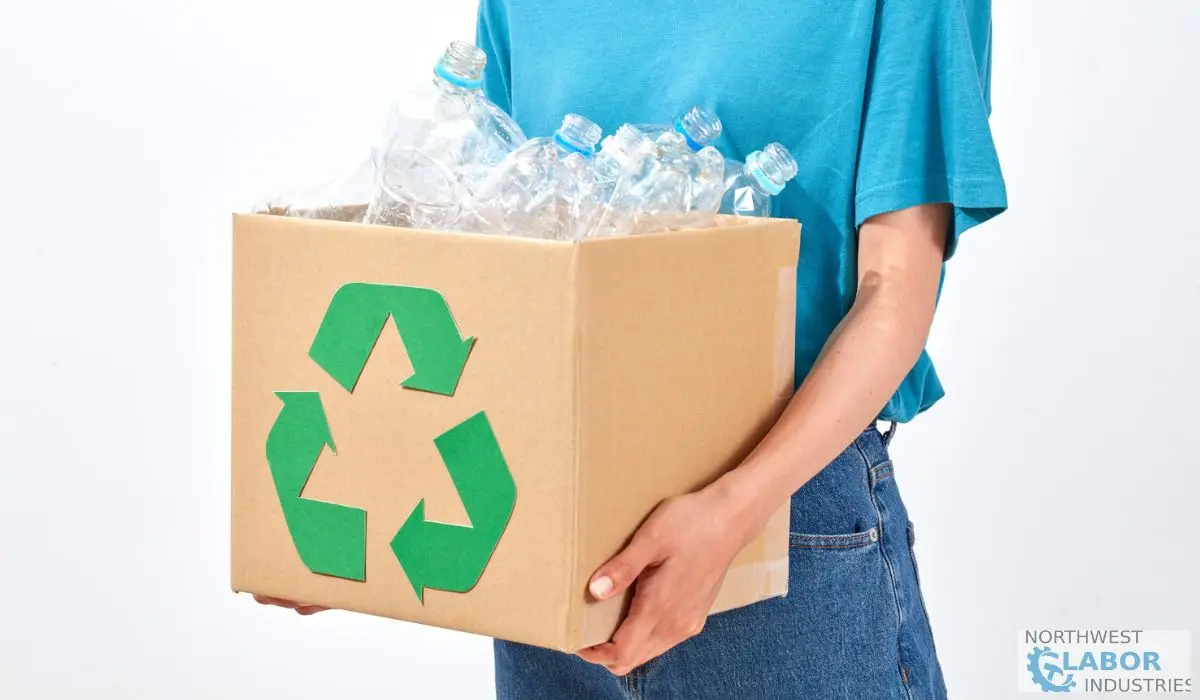
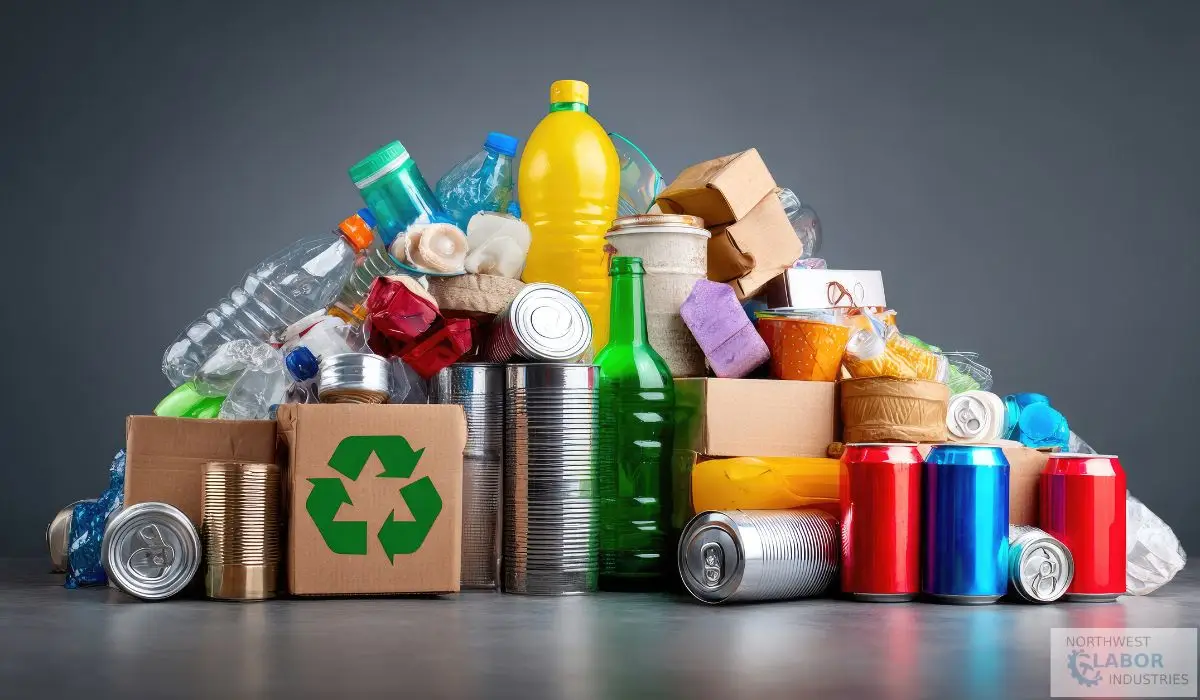
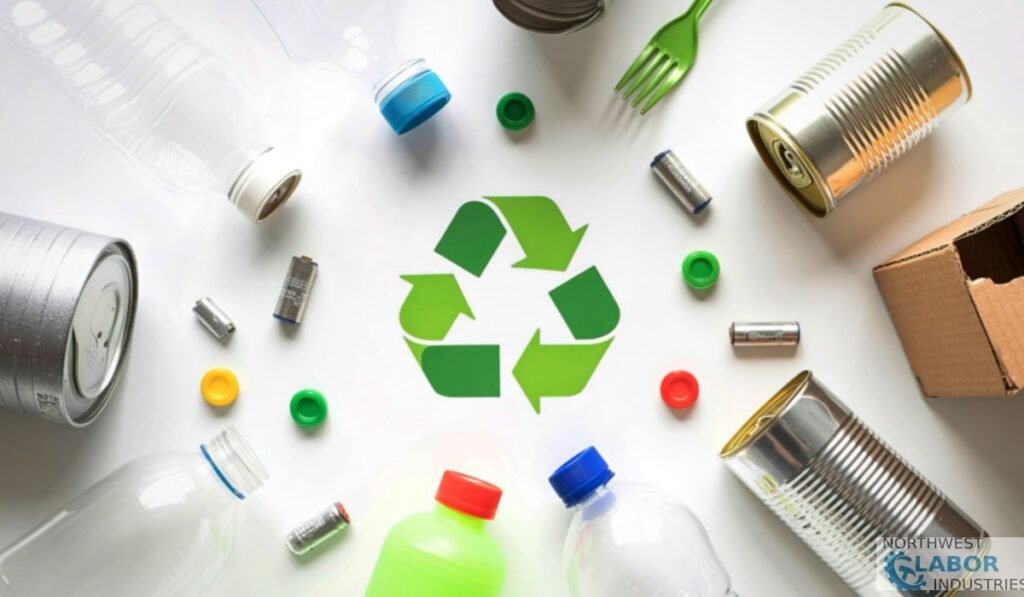
A quick rinse makes all the difference. Leftover sauce or liquid contaminates entire batches of recyclable materials. Always rinse glass containers, aluminum cans, and plastic bottles. Let them dry before they hit your recycling bin.
This simple act ensures your paper and cans get a true new life as recycled materials.
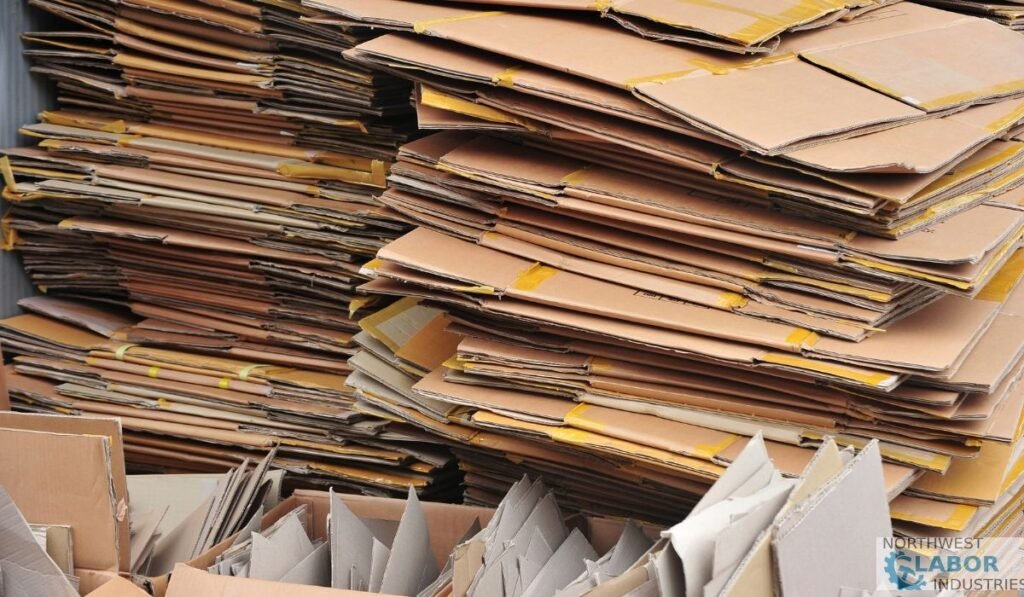
Way 2 – Flatten and Prep All Cardboard Before Recycling
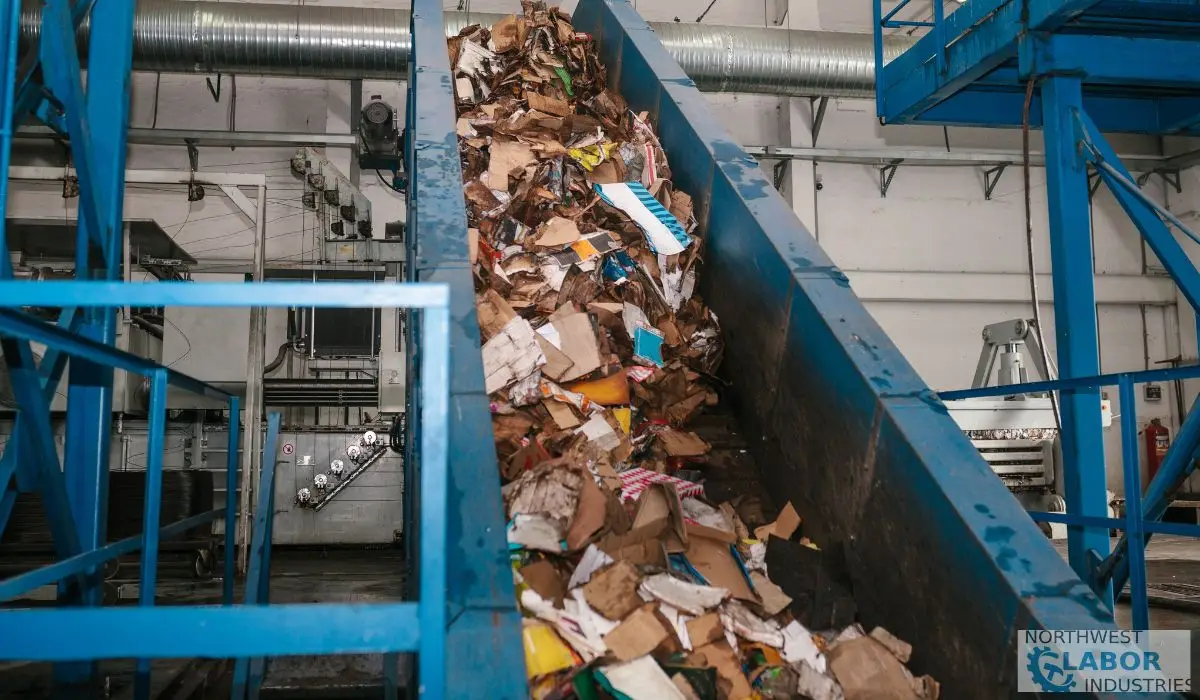
Break down every box. Flattened cardboard saves massive space in collection trucks. This includes cereal boxes, shoe boxes, and cardboard containers.
Remember, egg cartons and non-foil wrapping paper are also recyclable items. Preparing these containers properly keeps the system efficient.
Way 3 – Divert Food Waste Into Compost Instead of the Bin
Your food waste belongs in the green bin, not the blue. Compost your food scraps, coffee grounds, and leftovers. This includes grease-soaked pizza boxes. Diverting food from your recycling bin prevents contamination. It turns waste into soil, not regular trash.
Way 4 – Use Retail Drop-Offs for Soft Plastics
Curbside bins can’t handle soft plastic. Never put plastic bags or plastic wrap in your home bin. Instead, take them to grocery stores for a dedicated drop-off. Those plastic shopping bags get bundled separately for processing.
This keeps other recyclable materials from getting tangled and ruined.
Book Junk Removal Today!
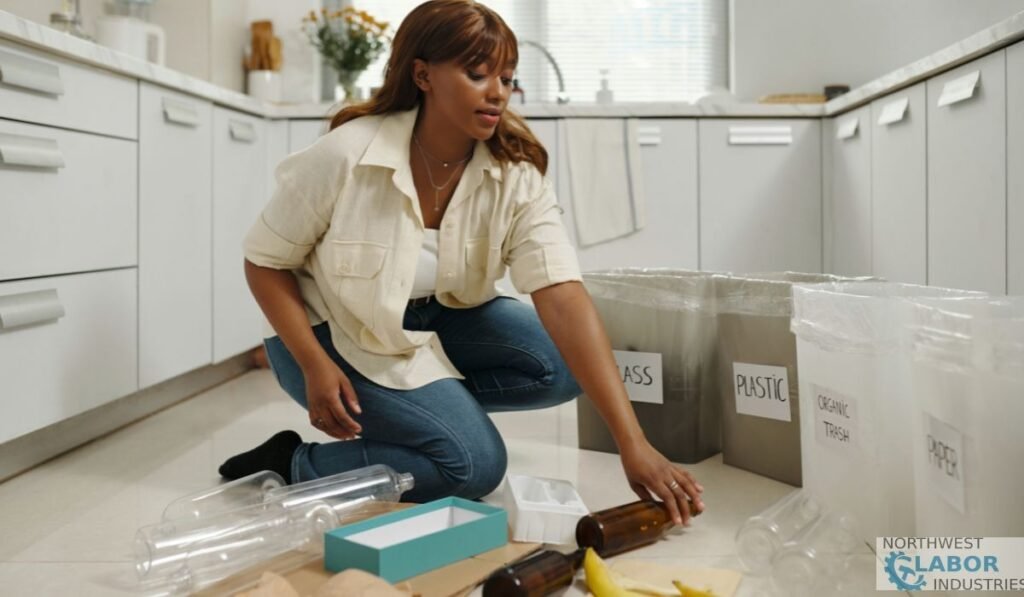
Way 5 – Set Up a Simple Multi-Room Recycling System
Place a small bin for paper in your home office. Use a container for magazines in the living room. A bin for empty cleaning supplies containers belongs in the bathroom.
This multi-room home recycling system makes it effortless to catch recyclable items all over the house. Convenience builds habit.
Way 6 – Schedule the 2026 Free Special Item Pickup
Under Seattle’s updated 2026 waste rates, residential customers are now entitled to one free annual collection of hard-to-recycle items. This is a game-changer for safely disposing of “problem” materials that are now banned from the regular trash.
- What’s Included: One “Special Item” box (max 2 cubic feet / 60 lbs) containing small electronics or household items, plus one bag of batteries.
- Why It Matters: Keeping lithium-ion batteries and light bulbs out of your recycling bin prevents dangerous fires at our local transfer stations.
- How to Book: You can request a collection online or call SPU at (206) 684-3000.
Way 7 – Reuse and Upcycle Items Before Throwing Them Away
Reuse is the ultimate form of recycling. Give old sheets a new life as cleaning rags. Use glass jars to store pantry goods. Get creative and create something new.
This example of small steps reduces waste before you even consider the recycling bin. Think of the life of an item before you throw it.
How Many People Don’t Recycle Correctly? Too Many
Good intentions often get lost at the curb. Let’s look at the common hurdles that trip up our city as we strive for a zero-waste future.
The “Say-Do” Recycling Gap
Most people want to help the planet, but wanting to recycle properly and actually doing it are different things. According to 2025 data, while 87% of us support recycling, only about 32% of our waste is actually diverted from landfills.
Life gets busy, and the gap between caring for our environment and taking that first step is real. To start recycling correctly, we must bridge this intention gap with simple, repeatable systems.
The Hidden Cost of Contamination
One dirty plastic container can spoil a whole batch of recycled materials. When food residue or liquids enter the recycling bin, valuable materials like paper and cardboard get soggy and are redirected to landfills.
Suddenly, they become trash. We lose those natural resources forever instead of giving them a new life. This waste is a hidden tax on our local system.
Seattle’s “Wish-Cycling” vs. Composting Reality
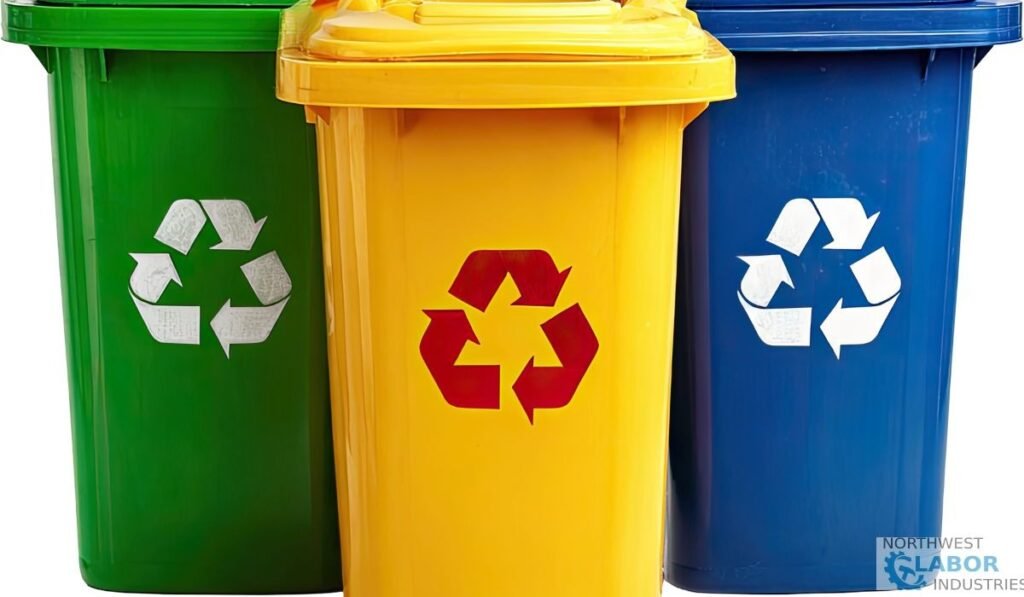
Our community is hopeful, but hope isn’t a strategy. Tossing plastic shopping bags into the blue bin is a classic case of “wish-cycling”—they jam the sorting machines and cost our city time and money.
However, don’t let the “greasy pizza boxes” rule confuse you! In Seattle, these shouldn’t be trash. Because they are food-soiled, they belong in your compost bin alongside coffee grounds and food scraps. Recycling right means knowing which bin is which.
Why Recycling Feels Hard in 2026
With the Washington Recycling Reform Act hitting full stride in 2026, rules are changing to hold manufacturers more accountable. It can feel like a lot to track, but the key is to simply cut through the noise. Focus on the basics: empty, clean, and dry.
Think of it as just the first step in a longer journey toward a sustainable life. Clear tips create a straightforward line from your home to a cleaner world.
Managing the Growing Seattle Metro Population Waste Crisis
The numbers tell a powerful story. The Seattle metropolitan area is home to over 4 million people, a number that continues to rise steadily. The city of Seattle itself just surpassed 816,000 residents, adding nearly 19,000 people in a single year.
This sustained growth makes our community’s approach to waste a defining challenge for our future.
Population Growth and Landfill Pressure
More residents directly means more stuff, more packaging, and more trash. Even with excellent recycling, all that growth puts immense pressure on our regional landfills, which have strictly limited space.
The good news is that despite this growth, data shows Seattle residents are actually generating less waste per person than they have in decades.
This proves that smart city policies and conscious community choices can counter the trend. We can’t manage growth by simply burying the problem.
Legislative Shifts Changing Recycling in 2026
The new 2026 rules for items like batteries are a direct legislative response to this reality. They push both businesses and residents to handle valuable and hazardous materials much more intelligently.
By creating better services for special item disposal, these laws aim to protect our local environment and ensure our infrastructure keeps pace with our population.
Why Local Solutions Matter More Than Ever
This is why your daily actions are so critical. Using city services for special pickups and focusing on proper recycling at home means our community keeps problem waste out of the local landfill stream.
A strong, local effort to recycle and reduce is our most direct tool to protect our planet. It ensures our growing city manages its success responsibly and sets a real example for other booming regions.
Final Thoughts
TRemember, recycling isn’t about perfection. It’s a process. Your small steps create a huge collective impact for our community and planet. Think of this guide as just the first step.
Every time you recycle at home, you conserve natural resources and protect our local environment. That’s how we build a better world, right here at home.
Ready to make it a habit? Start with one tip today. For more ways to live sustainably in Seattle, visit our homepage.