
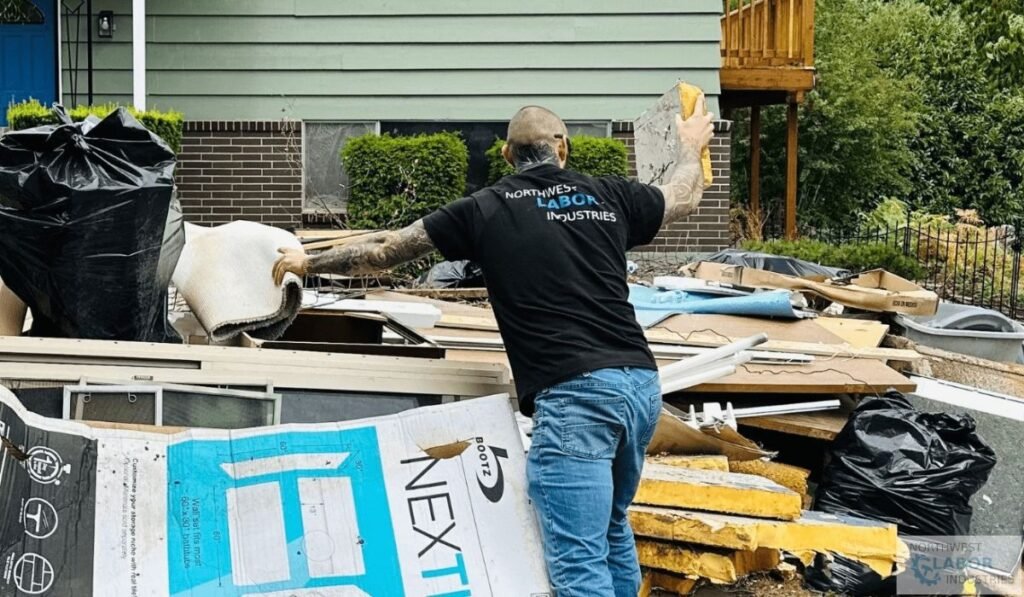
Seattle leads the nation in turning trash into treasure, with our recycling program capturing close to 75 percent of all packaging and paper that residents toss out. That’s huge for keeping our environment sparkling! Yet, mix-ups still happen, and they hit hard on sustainability.
From our experience hauling loads across the city, folks often puzzle over what goes where. That’s why we’re breaking down the Seattle recycling rules for 2025 right here.
Newcomers, homeowners, renters, even property managers and business owners—you’ll walk away with clear 2025 guidelines to sort smart, dodge fines, and cut your share of waste.
Expect handy tips on hitting recycling facilities without a hitch, all to help you reduce waste and feel good about your bin choices.
This piece slots into our bigger chat on local green living. Check the earlier post on the 5 stages of hoarding for tips on clearing clutter before it piles up. Also, this post is a key part of our ongoing commitment to Seattle waste management.
And stay tuned for the next one tackling Seattle air pollution!
Short Summary
- Keep Recycling Clean and Loose: Recyclables must be empty, clean, and dry. Never place them in plastic bags; keep all materials loose in your recycling cart.
- Plastic Bags are a Major Problem: Plastic bags and other thin plastics are not accepted in curbside recycling. They tangle machinery and cause shutdowns at recycling facilities.
- Compost Food and Yard Waste: Your compost cart is for yard waste and food scraps, including leftover food. Do not include pet waste, which can contaminate the compost.
- Use City Resources for Tricky Items: For yard waste and other unwanted items, check the city’s “Where Does It Go?” tool or look into special collection events for the best disposal options.
Why Seattle Recycling Rules Are Essential in 2025: Tackling Common Waste Woes
These Seattle recycling rules set the stage for smarter habits in our city. We’ll cover rising waste piles first, then those contamination snags. Stick with us for the full picture!
Rising Waste Volumes
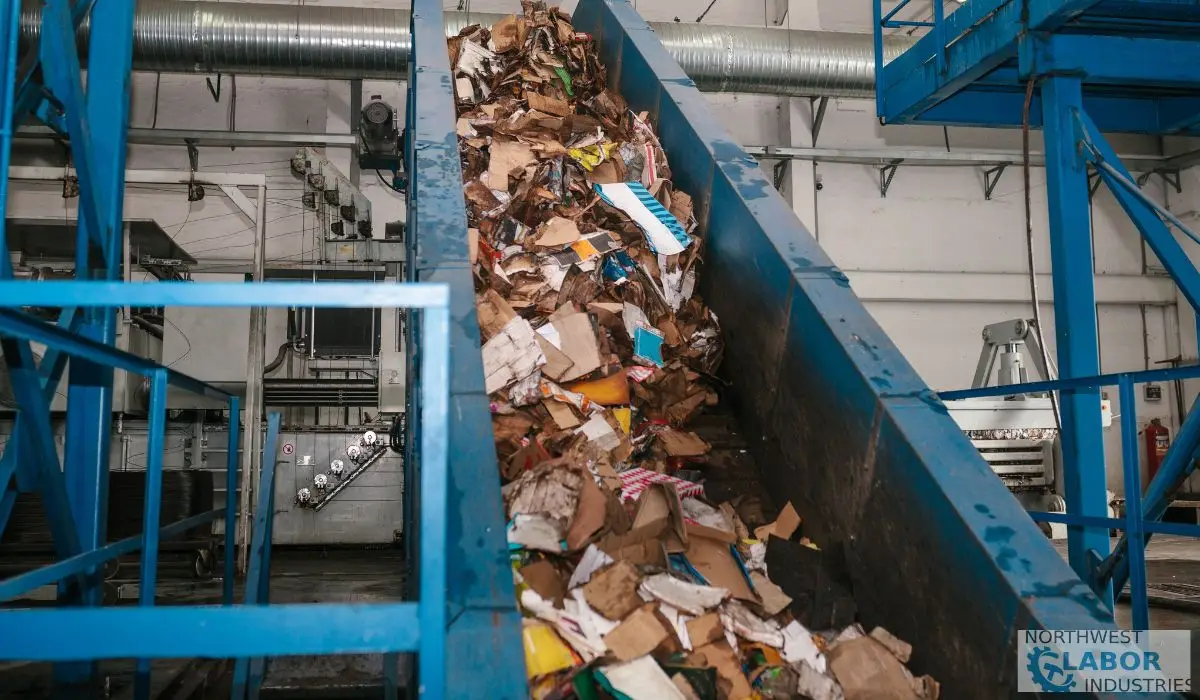
Municipal solid waste keeps climbing in Seattle. Households crank out more trash each year. That strains equipment at recycling facilities. Jams slow everything down. As a result, the city foots bigger bills.
Residents see hikes in costs passed right along. Think about it. A single missed sort adds tons to landfills yearly. We haul these loads often. But with proper guidelines, we can cut that load fast. Everyone wins when we focus on less throwaway stuff.
Contamination Issues
Wrong items sneak into bins all the time. For example:
- Leftover food sticks to cans.
- Pet waste hides in bags.
- Liquids soak through paper.
They create mold quickly. Machinery gums up from the mess, and workers face potential safety risks on the job. We’ve pulled carts full of yogurt globs and fruit peels. It clogs the whole process! With clean sorting, we can keep things running smoothly.
The environment will thank us; sustainability stays strong without these hiccups.
Resident Confusion
Some stuff just feels wrong to chuck in the garbage. Take thin plastics or plastic bags. Even plastic plant pots. They scream “recycle” with those chasing arrows.
But 2025 guidelines say no. They may look recyclable, but they can get tangled in sorters. Toss them in special drop-offs instead. A quick check saves headaches. Best option? Label your recycling bin clearly.
Local Impact
Schools abound with lunch scraps. Offices overflow with coffee cups. Meanwhile, workers nationwide juggle yard waste. In Seattle, it gets worse during the rainy seasons. Food bits often get mixed. And that spikes costs for all.
Extended Producer Responsibility (EPR) steps in here. According to a 2025 policy, the recycling costs are shifted from taxpayers to producers. The result is that sustainability accountability ramps up.
We see the result in hauls from areas across the nation to local parks.
Book Junk Removal Today!
Your Seattle Recycling Guide: Sorting Accepted Materials and Recyclables
Time to roll up sleeves on what fits! We’ll break down paper and cardboard next. Glass and metals come after. Plastics get their spotlight, too. Other recyclables round it out. You’ll nail a spotless recycling cart by the end.
Paper & Cardboard
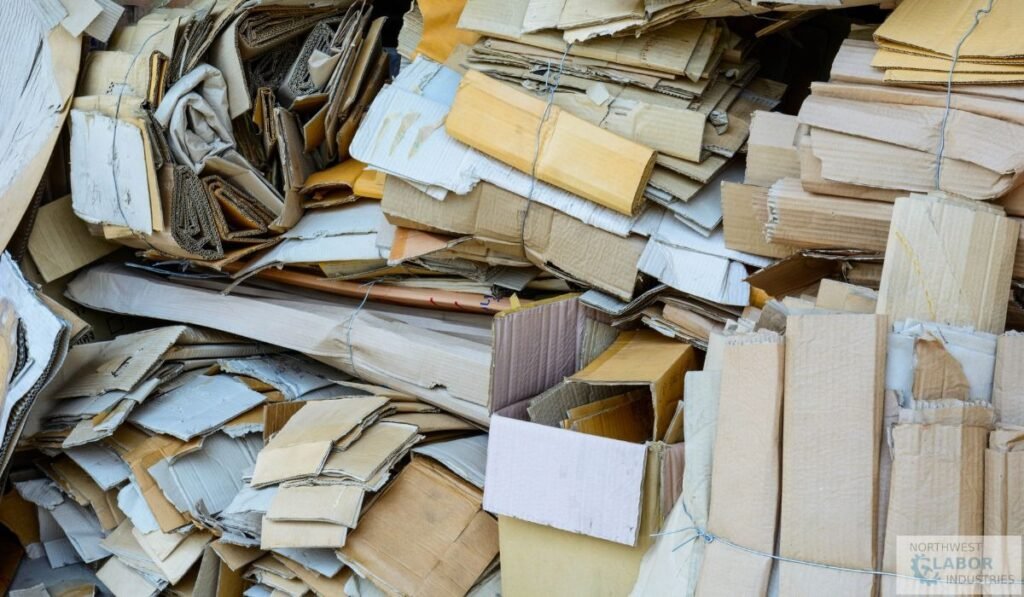
Start with the easy wins. Newspaper stacks up fine, as well as magazines and paperback books. They all belong to the same pile. Windowed envelopes work too. Just rip out the plastic bit.
Cardboard flattens best. Corrugated boxes can be crushed into smaller bits. If uncoated, frozen food boxes qualify. But remember, no waxy shine is allowed in the pile. We’ve sorted hauls of these from move-outs, and it’s best to keep them dry. They can then be processed smoothly at facilities.
Glass & Metals
Glass containers such as bottles, jars, and tubs glass are accepted as long as they’re clean. For metals, aluminum and tin cans, steel cans, jars, metal, and trays can be recycled. A quick rinse and shake usually does the trick to remove leftover food. Aluminum foil works too.
Just make sure it’s clean and free of grease. Anything too soiled goes straight into the trash.
Plastics
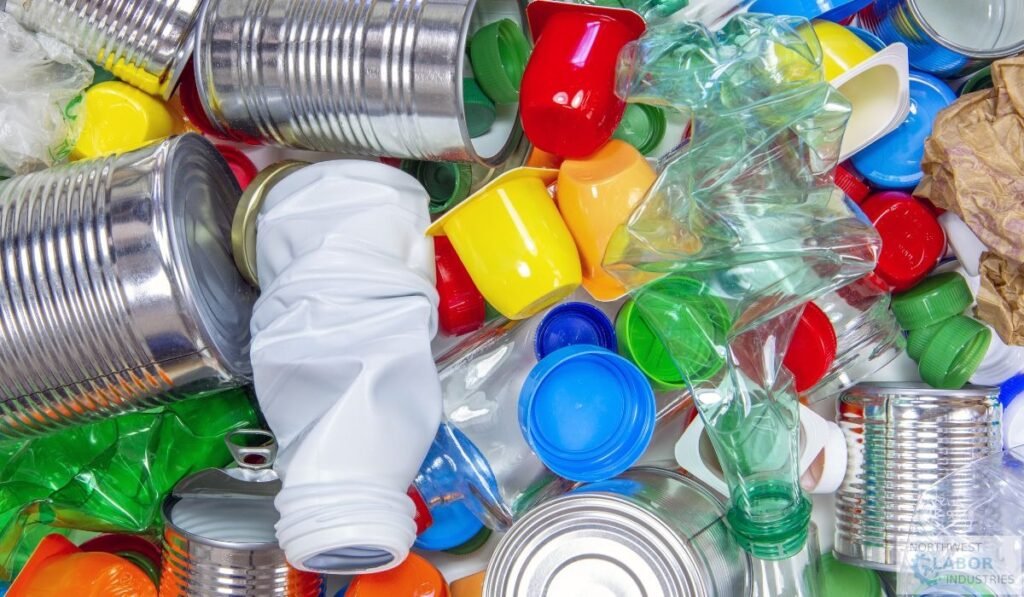
This category trips up the most residents. Only plastic containers, jugs, and trays without a plastic coating can go in. Keep thin plastics, plastic bags, and plastic plant pots out of the bin. They clog machines and slow the process.
One quick rule we follow: if you can easily crumple it in your hand, it probably doesn’t belong in your recycling. Drop those at designated store collection points or reuse them when possible.
Best Practices
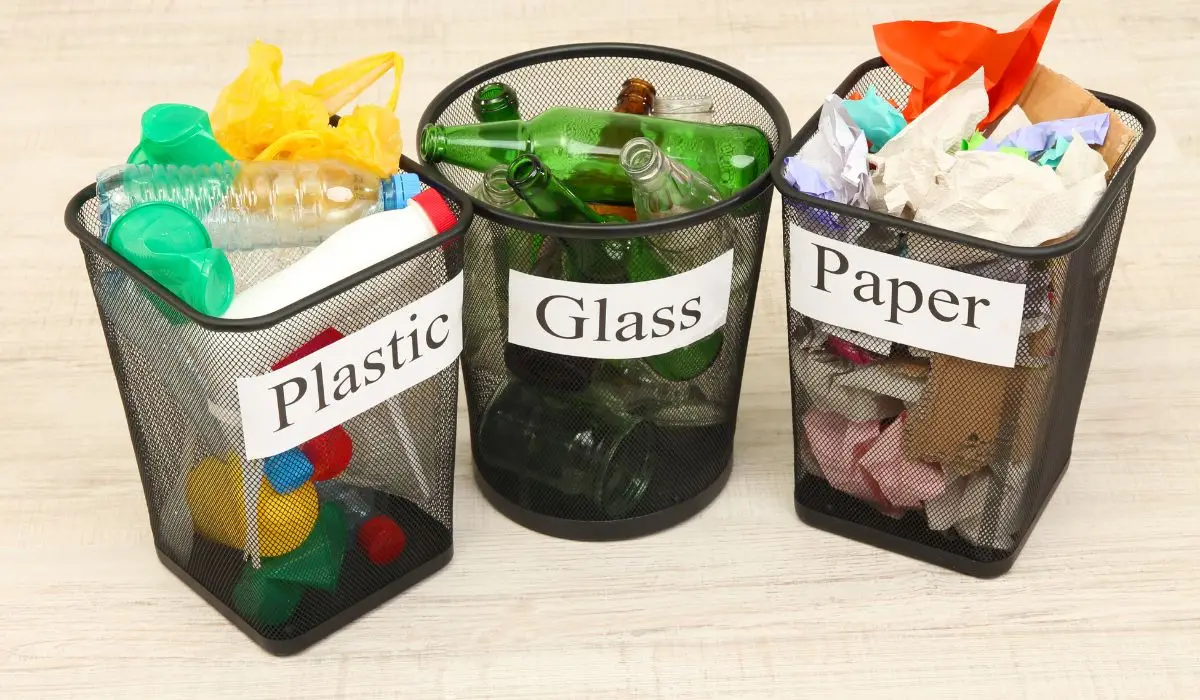
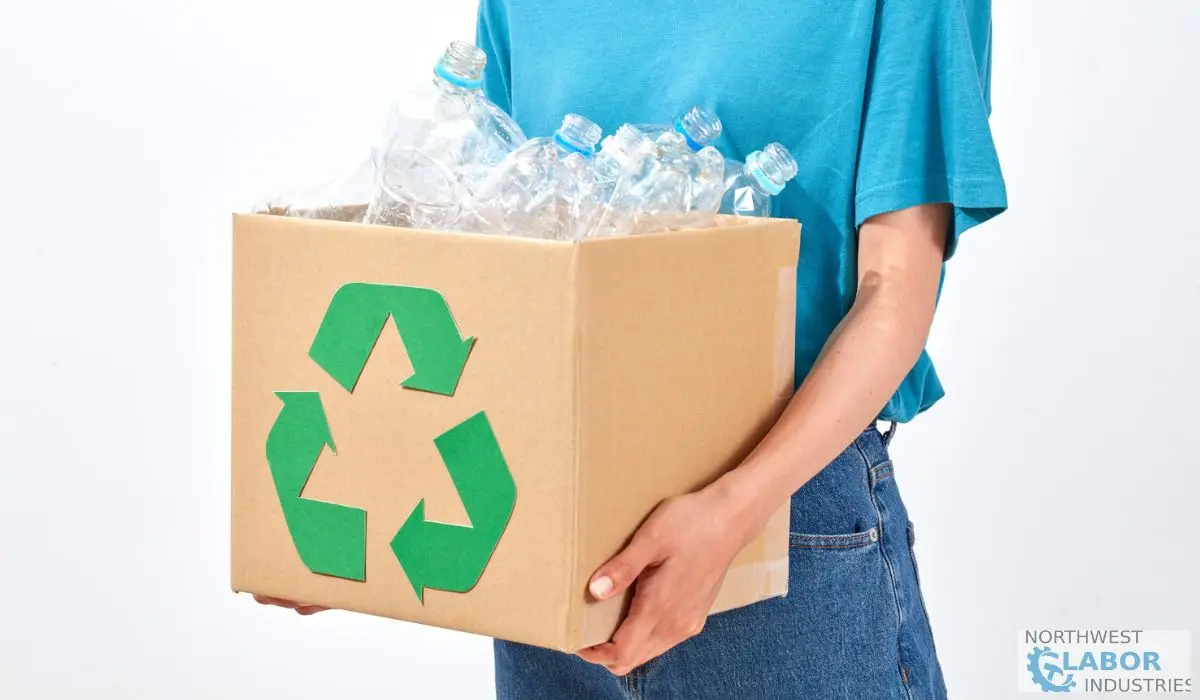
Give a good rinse always. Wipe off food traces, and dump liquids, full stop. Toss them loose in the recycling cart. No bagging them up—bags can cause contamination.
A bag full of bottles or cans can get tossed out at sorting centers because workers can’t see what’s inside. Keeping things visible helps operators catch errors early and reduces contamination. Best practices start at your recycling bin!
Other Recyclables
Items like paper towels, greasy pizza boxes, or food-soiled packaging don’t qualify as accepted materials. On the flip side, other recyclables, such as clean foil or small metal lids, can go right in.
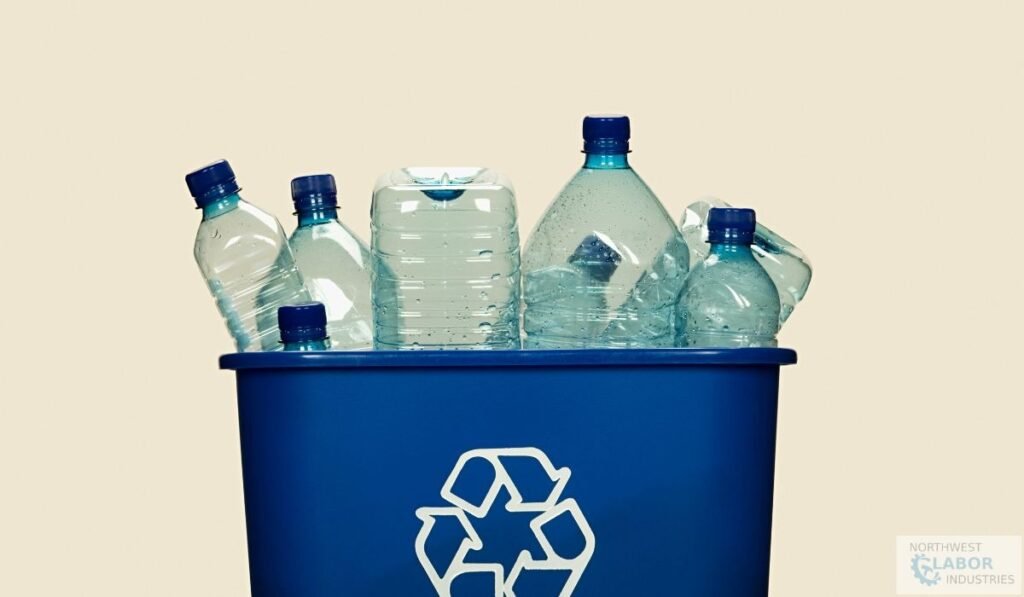
Just remember to keep recyclables dry and free of liquids. That way, the recycling bin doesn’t turn into a soggy mess.
Stick to these small habits, and the residents can make life easier for recycling crews and extend the lifespan of city equipment. Every clean, correctly sorted load helps recycling facilities recover more usable material, saves energy.
It also supports Seattle’s bigger goal of a zero-waste future. When everyone takes the time to recycle right, we keep valuable materials in use longer and protect the environment we all depend on.
What Is Municipal Solid Waste? Understanding Garbage, Compost, and Disposal Options
Let’s break down what actually goes into our bins. The term municipal solid waste simply refers to the everyday trash from our homes, schools, and offices.
Seattle’s three-cart system makes sorting this waste straightforward.
- Garbage: This cart is for true trash. Think non-recyclables like pet waste, diapers, and those pesky plastic bags.
- Compost: Here you can place fruits, yard waste, and leftover food. Please note that meat and dairy are not accepted in this bin as they can create mold.
- Recycling: This stream is for clean, dry bottles, containers, paper, and metal.
Contamination happens when the wrong items mix in. Thin plastics or items with a plastic coating can’t be processed at our recycling facilities. They jam the sensitive equipment.
For those tricky, unwanted items like old electronics or paint, the city offers specific disposal options. Proper separation by residents means less strain on our systems and far less waste in landfills.
Actionable Tips to Recycle Right: Avoid Contamination and Boost Sustainability
Great habits make recycling simple and effective. Here’s how to ensure your efforts count.
Follow these steps for a perfectly sorted recycling cart:
- Always give tubs, glass, and jars a good rinse.
- Flatten all cardboard and corrugated boxes to save space.
- Double-check that aluminum and tin cans, including those steel cans. Make sure they’re clean and dry.
- Never use plastic bags; always keep recyclables loose.
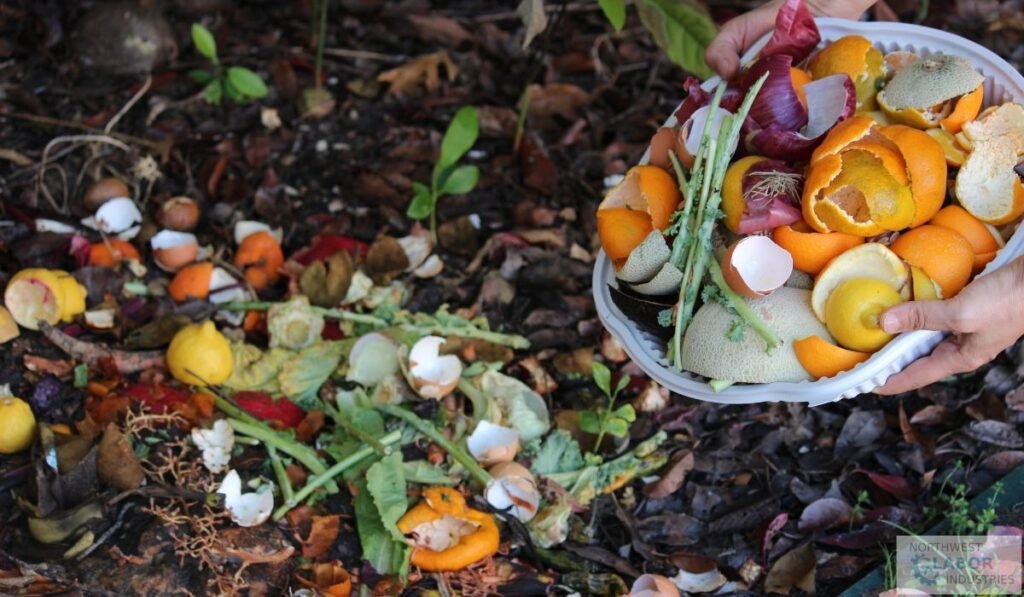
In your daily routine, remember to compost those fruits and yard waste separately. For tricky materials, use digital resources to find the best option.
Got plastic plant pots? Please reuse them at a local garden center instead of tossing them. For long-term sustainability, track your process. Aim to reduce waste overall, perhaps by filling fewer garbage bags each week.
The city also hosts events for bulk disposal options. These steps help residents maintain acceptable recycling, slash contamination, and protect our environment.
Final Thoughts
Mastering the Seattle recycling rules is a simple, powerful way to make a difference. Your efforts at the bin truly add up. They help us reduce waste across our beautiful city and push our community goals for sustainability forward.
Every correctly sorted item protects our local environment and supports our city’s systems.
Let’s all commit to keeping Seattle clean. For the most current Seattle recycling rules and local updates, your best resource is the official Seattle Public Utilities website. We’re here to help on your journey too. Visit our homepage for more practical guides designed for residents like you.