
Every morning, we sort our bins, hoping our efforts matter. But when we dig into the latest recycling statistics in Seattle, WA, the picture gets complicated.
From our experience, we know that what we put in the cart doesn’t always make it to the next life. Seattle currently boasts a 74% capture rate for recyclables, which sounds impressive. But the city must maintain a 70% target just to keep its leadership status. It’s a tricky business.
The reality is that the average person generates significant municipal solid waste daily, and what Americans throw away shapes our entire waste stream. Understanding these figures helps us see the real impact on our waste, our environment, and our planet.
This article breaks down where waste generated actually goes and whether our local recycling programs and reported recycling rates reflect success for our country.
We’ve previously explored practical ways to recycle at home to improve our daily habits.
The discussion on Seattle’s numbers is part of our broader coverage of Seattle Waste Management policies and infrastructure. Later, we’ll examine 10 reasons why recycling is important for a sustainable future. For now, let’s look at the facts on the ground.
Short Summary
- Seattle’s 74% capture rate keeps the city competitive, but contamination still sends almost half of some loads to landfills.
- Aluminum and glass offer the best recycling performance since they can be recycled infinitely without quality loss.
- Food waste creates more environmental harm in landfills than plastics do due to methane production.
- Policy shifts now require manufacturers to fund recycling programs, moving responsibility beyond the household level.
- Clean materials matter most. A greasy pizza box ruins an entire batch of paper recycling.
How Much Recycling Actually Gets Recycled in 2026?
Most people picture a smooth journey once an item lands in the recycling bin. Reality looks a bit messier. Years working in junk removal and waste management reveal what truly happens after pickup.
Understanding the Modern Recycling Process
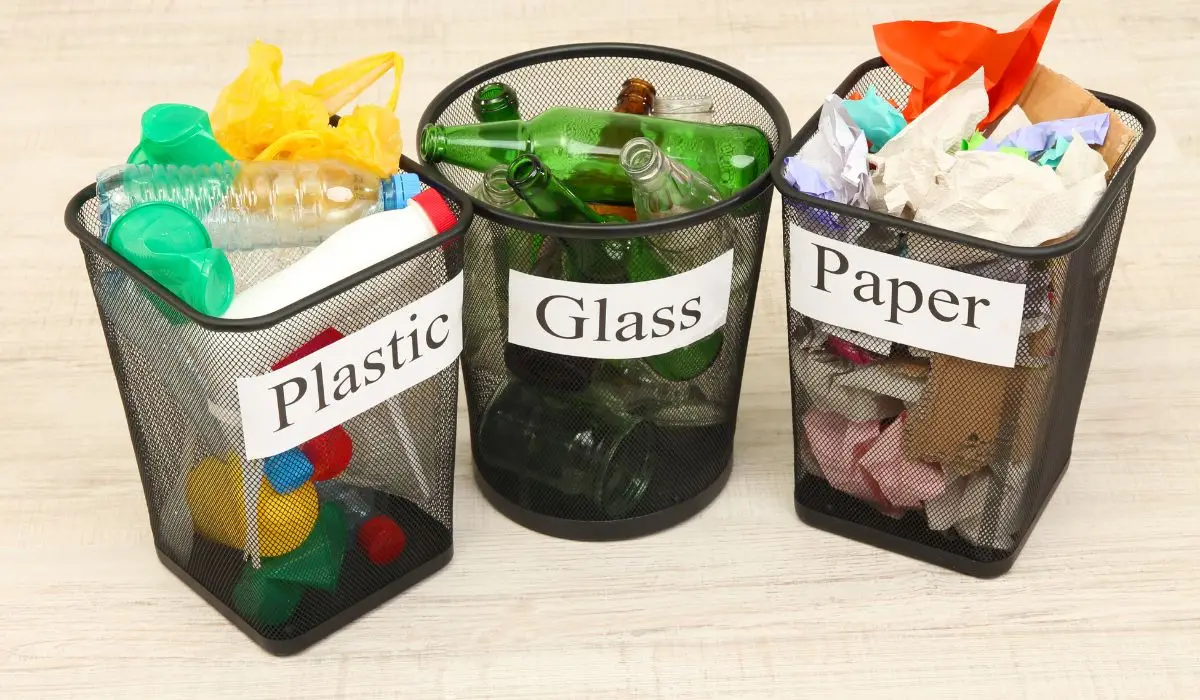
The modern recycling process starts with collection trucks hauling material from homes to sorting facilities. Those sites handle massive volumes of waste generated every day. Conveyor belts separate materials using magnets, screens, and optical scanners.
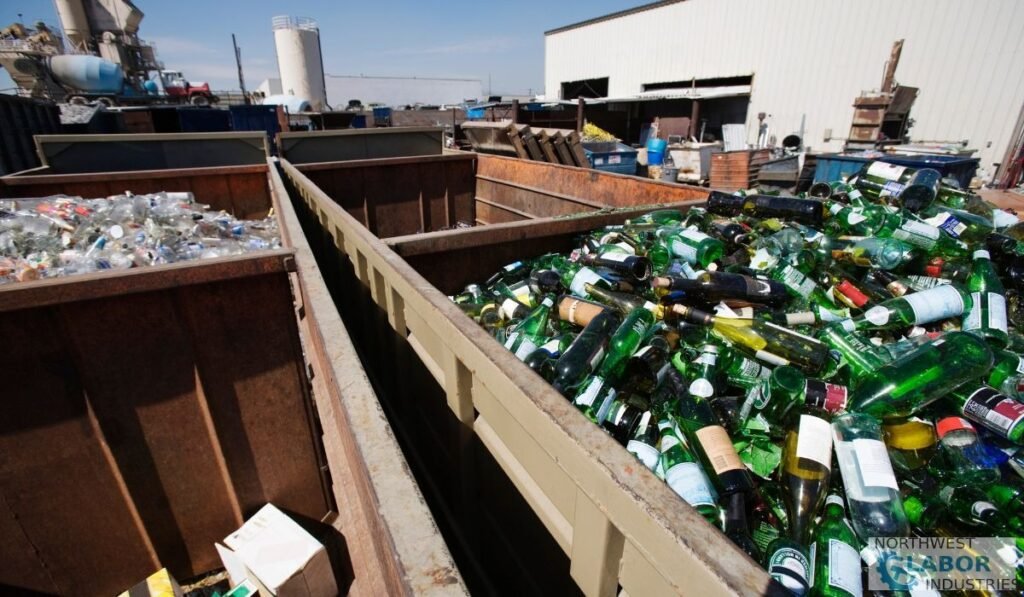
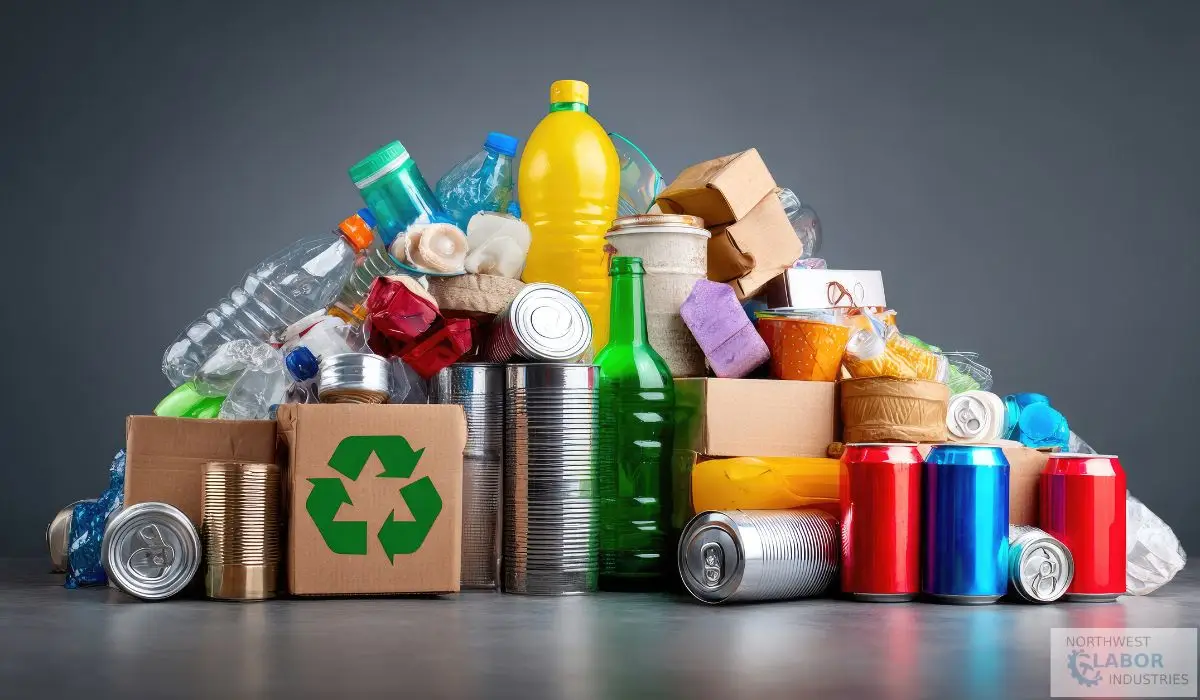
Machines then divide cardboard, metal, and plastic into piles of recycled materials ready for processing. The recycling industry calls this stage material recovery. Proper sorting improves recovery rates and helps reduce landfill pressure.
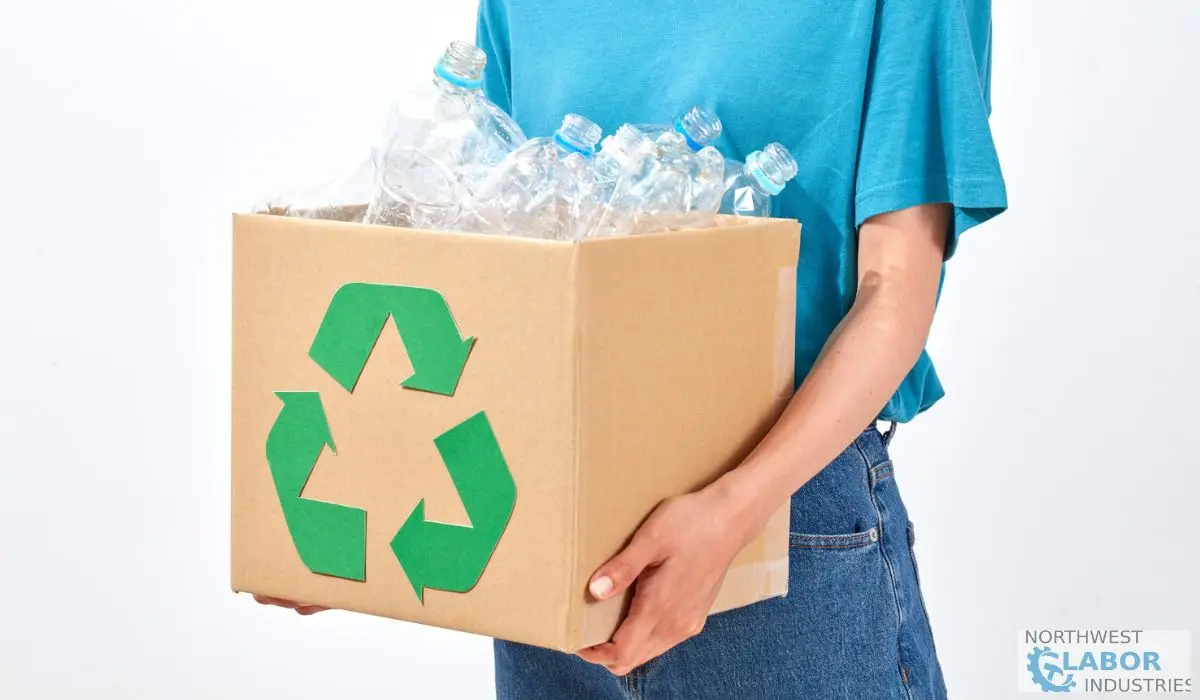
From our experience on large cleanouts, items tossed loosely into the recycling bin create better outcomes than bagged loads. Facilities struggle when plastic bags jam equipment. Simple habits improve waste recycling efficiency.
Global systems still face pressure. The recycling industry once shipped a large share of scrap abroad. Restrictions from china forced many cities to rethink local processing.
The Contamination Crisis in Recycling Bins
Contamination ruins a surprising share of otherwise recyclable materials. Workers often see greasy paper towels, food scraps, and mixed packaging tossed in recycling carts. Those items ruin entire batches of paper recycling.
Sorting crews sometimes report that almost half of incoming loads contain the wrong material. Food residue sticks to cardboard and paper fibers. That contamination leads to loads being disposed of or thrown away as trash.
A common example appears during move-outs. Someone empties a kitchen and tosses greasy pizza boxes into recycling. The intention looks good, yet that packaging often destroys the surrounding paper fibers.
A quick rule helps:
- Keep food containers clean
- Skip paper towels
- Flatten cardboard
Those habits help protect paper recycling streams.
Book Junk Removal Today!
Plastic vs Aluminum — A Recycling Reality Check
Few materials show a bigger gap than plastic recycling and metal recovery. Many plastic recycling facts reveal how complicated plastics really are. Heat and reuse slowly weaken the structure of plastics.
That means most plastic waste cannot cycle forever. Only a small share of plastic waste generated returns as new plastic bottles. The rest becomes lower-grade products.
Metal tells a different story. According to aluminum recycling facts, a single aluminum can returns to shelves again and again. Aluminum is recycled infinitely without losing strength.
Albert Einstein once said, “We cannot solve problems with the same thinking we used when we created them.” Many experts believe the future depends on cutting plastic pollution and improving recycling technology.
Does Recycling Actually Get Recycled? Sorting Myths and Facts
Many residents ask a fair question: Does recycling really work? Years in junk hauling reveal a mix of good news and stubborn myths.
Recycling Myths and Facts Consumers Should Know
Myth: Everything in the blue bin gets reused. We wish this were true. The recycling facts paint a different picture. Only certain materials make the cut. Recyclable items become worthless the moment grease or food touches them.
We once pulled an entire load of cardboard from a job site because somebody stacked it on top of old paint cans. The whole thing went to waste.
Myth: Plastics are the biggest problem in our waste stream. Walk through a landfill with us sometime. Food waste and commercial garbage actually take up more space in many regions.
Solid waste studies show that food scraps create the most immediate environmental harm. They rot and release methane. The waste stream contains far more organic material than most people realize.
The Energy Impact of Recycling vs New Production
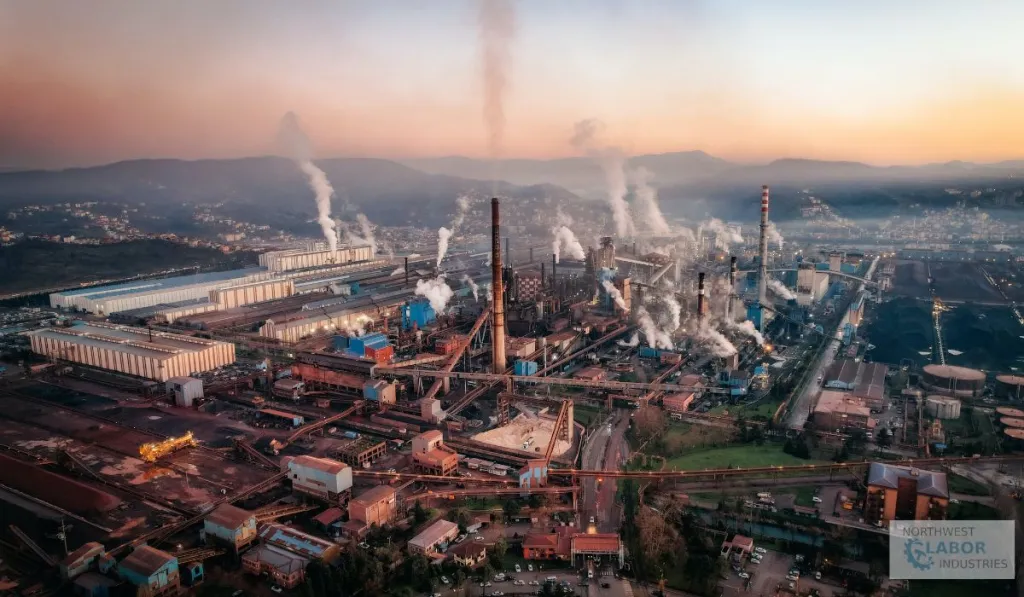
Recycling saves serious power during manufacturing. Producing metal from recycled stock cuts the energy needed dramatically. Smelting steel, glass, and aluminum from scrap reduces industrial energy demand.
Factories that use recycled metal avoid mining fresh raw materials. That shift protects ecosystems and reduces dependence on virgin raw materials.
The impact shows clearly in manufacturing plants. One facility shared figures showing energy use dropped after switching to recycled inputs. Lower energy demand means fewer emissions when making new products.
Simple recycling habits support that system. Clean glass, sorted aluminum, and scrap steel keep the cycle moving.
The 2026 Local Landscape: Seattle’s Legislation and Landfills
Seattle has always marched to its own beat on environmental rules. The latest policy shifts change who pays and who works. Here’s how the city plans to hit those zero-waste targets.
Policy Shifts Reshaping the Recycling Industry
The old model put the burden on us. Toss it in the bin and feel good. New rules flip that script. The recycling industry now faces pressure to design products that actually get recycled. Companies must fund recycling programs beyond the household level.
We used to tell customers their job ended at the curb. Now we explain that manufacturers pay into the system based on what they sell.
A recent report showed Seattle hitting diversion rates that make other cities jealous. The figures from recent years tell a story of slow but steady progress.
Waste management companies now partner with producers to handle tricky materials. The system costs more upfront but saves money long term.
The Growing Role of E-Waste Recycling
What happens to your old laptop when you upgrade? E-waste recycling facts reveal a massive global challenge. The world generates roughly 50 million tons of electronic garbage annually. That number climbs every year.
Seattle has responded with better drop-off options and collection events.
E-waste contains valuable materials like lead, copper, and even gold. Advanced sorting technologies now recover these resources with impressive accuracy.
Old computers can contain precious metals that would otherwise sit in a landfill. Proper waste recycling of electronics keeps toxins out of groundwater, too. The recovery rate for certain metals now exceeds 90% at modern facilities.
Construction Waste and Seattle’s Diversion Gap
Here’s where the numbers get frustrating. Construction and demolition debris makes up a huge chunk of solid waste. Seattle’s diversion rate for this material hits about 55%.
The goal sits much higher. Waste management companies like ours see the problem daily. We haul away lumber, drywall, and concrete from renovation sites.
Most landfills accept this material, but much of it could be reused. The waste stream from commercial projects contains valuable wood and metal. Waste generated during construction actually has higher recycling potential than household trash.
The challenge involves sorting it on site. Professional commercial haulers now offer separate bins for different materials. It takes extra effort, sure, but keeps tons of debris out of the ground.
Breaking Down the Waste Stream: From Food to Glass
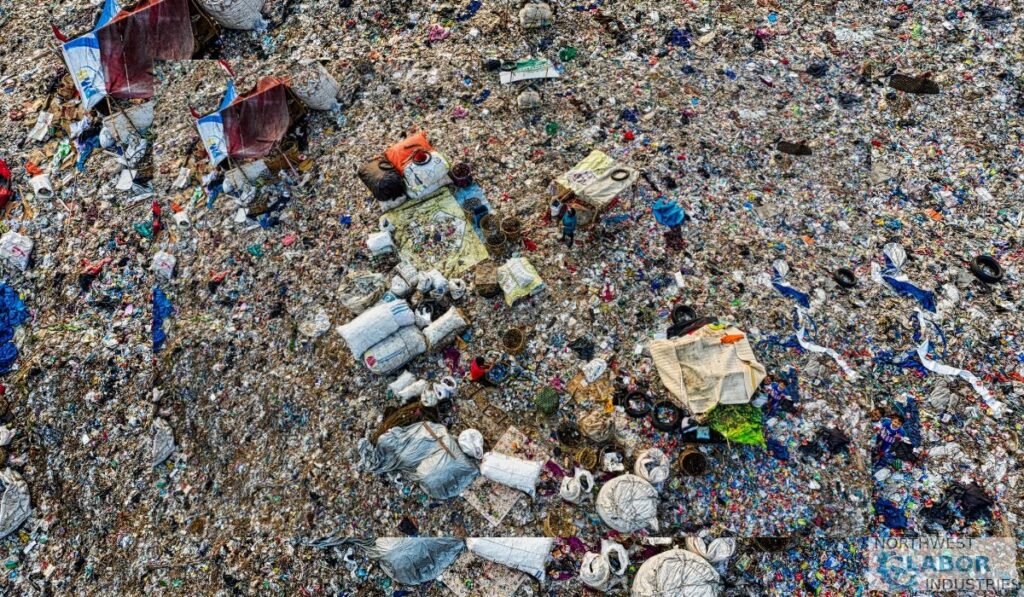
Let’s walk through what actually fills our trucks each day. The waste stream tells a story about our habits and our priorities.
Food Waste and the Role of Composting
Food waste rotting in landfills produces methane, a greenhouse gas 25 times more powerful than carbon dioxide. Food waste recycling facts show that keeping organics out of the trash is one of the most powerful climate actions available.
Composting transforms scraps into valuable soil. Climate change demands we take this seriously. When food gets disposed of in landfills, it decomposes without oxygen. That process creates the bad stuff, that’s why Seattle mandates composting for a reason.
The waste stream contains roughly 20% organic material by weight. Diverting that changes everything.
Glass Recycling and Circular Manufacturing
Glass recycling facts should make us smile. A glass bottle or jars can be recycled forever without losing quality. Manufacturing new glass from recycled materials requires 30% less energy than starting from scratch. We see this in action at local processing centers.
Glass moves through crushers and sorters before becoming cullet. Those tiny pieces melt at lower temperatures than raw sand and soda ash. The recycling loop for glass is truly circular. No degradation. No downcycling. Just endless reuse.
Paper Products and Resource Conservation
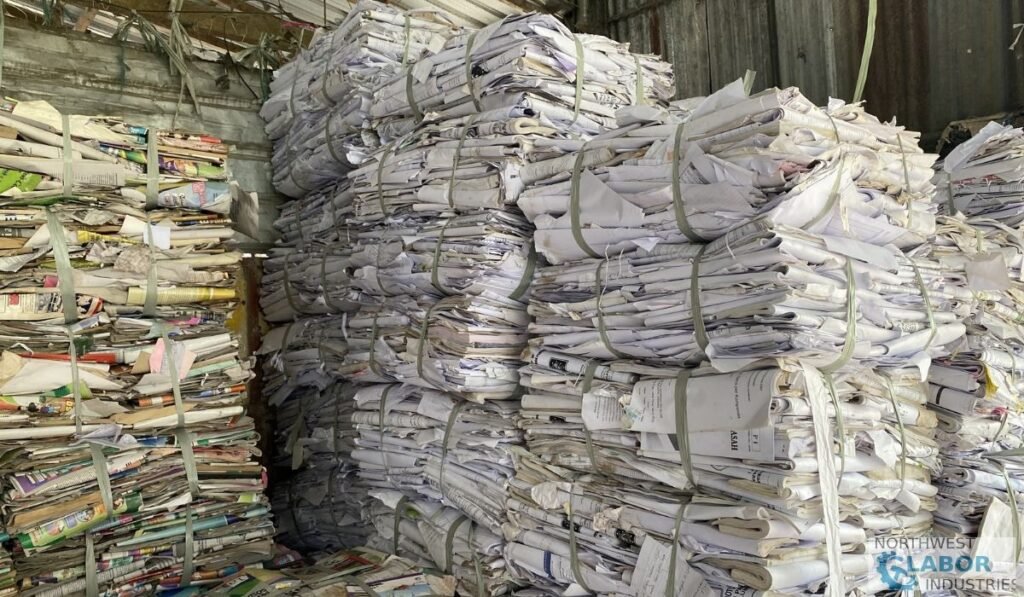
Paper products remain a steady part of our pickup routes. Offices, schools, and homes generate tons of the stuff. Paper recycling saves trees, obviously. But the numbers are impressive. One ton of recycled paper saves 17 trees and 7,000 gallons of water.
One ton might sound abstract until you see a bale at the facility. Those cubes weigh 2,000 pounds each!
Cardboard makes up the largest chunk of commercial paper waste. Paper recycling facilities process it into new boxes and packaging. Demand for recycled paper keeps growing as companies seek sustainable options. The ton we save today becomes tomorrow’s shipping box.
Final Thoughts
Sorting out the future of recycling feels like a puzzle. But we hold more pieces than we realize. The latest recycling statistics show progress, yet recycling rates still depend on what happens inside our homes each day. None of this is simple.
Clean bins lead to better recovery. Better reuse protects the environment for the long haul.
Seattle’s choices matter beyond our city limits. They ripple across the whole planet. The recycling facts keep pointing to one truth: Small habits create big change when we all participate.
Check our homepage for more tips and local guides. Let’s keep pushing for a cleaner future together!