

Seattle has a reputation for fresh air and green spaces, yet the Seattle metro area now faces a growing concern that many families notice the moment wildfire season arrives.
From our experience, short bursts of intense smoke can push the city into national rankings no one wants.
Recent reports show our region sitting among the top ten in the country for short-term particle pollution, driven by the growing frequency and rise of wildfire events each summer.
This shift reminds us how quickly air pollution can reshape the daily routines of residents who care about their health, their kids, and their time outdoors. The truth is, Seattle air pollution affects everyone.
As the air changes in real time, so does the way we plan activities, protect our air quality, and stay informed about what’s drifting into our neighborhoods.
This article helps readers understand what’s happening, why it matters, and what steps support healthier breathing in the Seattle region.
We walk through the major sources of pollution, explain how to read air quality information, and offer practical tips that fit easily into daily life, even during stretches of polluted air made worse by climate change.
After reviewing Seattle recycling rules, we’ll next share practical ways to recycle at home. It’s all part of a larger conversation on Seattle waste management and our shared environment.
Short Summary
- Seasonal wildfire smoke and shifting weather patterns affect the seattle air pollution levels throughout the year.
- Local agencies track air quality data so residents can plan outdoor time and protect their families.
- Fine particles and ozone create real concerns for people’s health, especially children, older adults, and those with existing conditions.
- Simple steps at home and in the neighborhood help the community move toward a healthier future.
- Safe cleanup, proper waste handling, and smart transportation choices reduce unnecessary exposure.
The State of Air Quality in Seattle: Key Data and Pollution Levels
Understanding our current air quality starts with knowing the experts who track it. The Environmental Protection Agency (EPA) sets national health-based standards for clean air.
Our local partner, the Puget Sound Clean Air Agency, enforces these rules and monitors air quality data across King, Pierce, and Snohomish counties in real-time . Together, they work to protect the air we breathe.
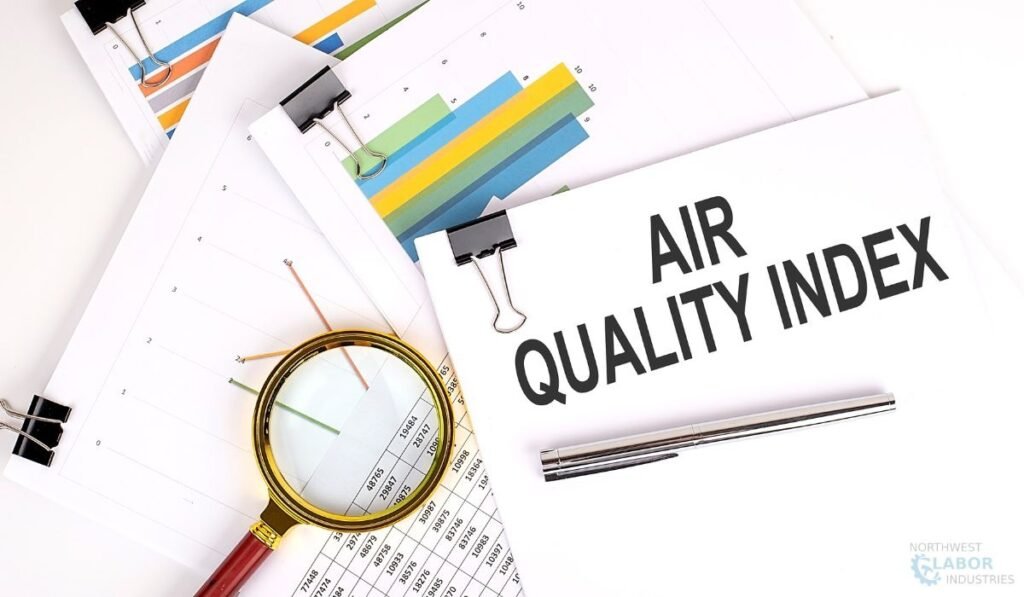
So, how do you quickly understand the daily air quality report? You use the Air Quality Index, or AQI. Think of the air quality index AQI as your daily guide for safe breathing. This system makes it simple to assess conditions at a glance.
| AQI Value | Air Quality Level | Health Implications |
| 0-50 | Good | Air quality is satisfactory and poses little or no risk. |
| 51-100 | Moderate | Air quality is acceptable for most, but some sensitive groups may be affected. |
| 101-150 | Unhealthy for Sensitive Groups | Members of sensitive groups (e.g., those with lung or heart disease) may experience health effects. The general public is less likely to be affected. |
| 151-200 | Unhealthy | Everyone may begin to experience health effects; sensitive groups experience more serious effects. |
| 201-300 | Very Unhealthy | Health warnings of emergency conditions. The entire population is more likely to be affected. |
| 300+ | Hazardous | Health alert: everyone may experience more serious health effects. |
Data from the American Lung Association’s “State of the Air” report highlights a key challenge for our region. While the Seattle metro area generally has good annual air quality, it experiences short-term spikes in ozone and particle pollution, often tied to wildfire smoke.
This is the crucial difference between daily spikes and long-term risk. A single “Unhealthy” air day can trigger immediate health issues like asthma attacks. Long-term exposure to even moderate levels of pollutants, however, is linked to chronic lung and heart disease .
Remember, pollution levels can shift quickly, so checking a live map for real time updates is essential for planning outdoor activities .
Book Junk Removal Today!
Understanding What Causes Air Pollution in Seattle
Getting to the root of air pollution in Seattle helps us find solutions. The air in the Seattle metro area is affected by a mix of local sources and broader environmental changes. Let’s break down the three main contributors.
Wildfire Smoke
The increasing frequency of wildfire smoke is a major driver of dangerous air episodes. Climate change contributes to hotter, drier summers, creating ideal conditions for large wildfires.
This smoke can travel hundreds of miles, blanketing King County and leading to dangerously high levels of particulate matter (PM2.5). These seasonal events are a significant reason the Seattle area ranks among U.S. cities with the worst short-term particle pollution.
Traffic & Transportation
Daily emissions from cars, trucks, and other vehicles are a steady source of pollution. Diesel exhaust from ports, freight trucks, and transport is a primary concern.
It significantly contributes to soot and other pollutants, exposing communities near major roadways to higher health risks. In fact, motor vehicles are responsible for nearly half of the Seattle air pollution emissions.

Industrial Emissions & Facilities
Heavy industrial facilities, particularly in areas like South Seattle and the Duwamish Valley, add to the local pollution burden. These industrial operations release various pollutants into the air.
The environmental protection agency and local partners work to regulate these industrial emissions, with a focus on protecting overburdened communities that face greater exposure .
The Most Dangerous Pollutants
Among the mix of pollutants, two are especially harmful to our lungs:
- Particulate Matter (PM2.5): These are tiny particles, often from wildfire smoke, diesel exhaust, and other burning. They are small enough to be inhaled deep into the lungs and even enter the bloodstream, leading to serious heart and lung problems.
- The World Health Organization sets stringent guidelines for this pollutant because of its severe health impacts.
- Ground-level Ozone: Often called smog, this pollutant forms on hot, sunny days from reactions between other emissions from cars and industry. Ozone pollution can cause respiratory tract irritation and worsen conditions like asthma.
Climate change is not a future threat; it’s here now. It contributes to worsening air quality by increasing the rise and frequency of wildfire smoke and favoring the formation of ground-level ozone on hotter days. This creates a challenging cycle for maintaining clean air in our city.
Health Effects and Protecting Your People’s Health
Families can make informed decisions when they know how polluted air affects daily life. Residents across the region often notice how the air feels different during heavy smoke events, and many wonder how these changes influence people’s health.
The following points walk through the major health effects tied to common pollution sources and explain what protects sensitive groups in the community.
How Air Pollution Impacts the Body
Exposure to a high pollutant load affects many systems in the body. Short episodes can irritate the lungs. Longer stretches create deeper health impacts linked to:
- Lung disease
- Heart disease
- Heart attacks
- Asthma attacks
- Respiratory infections
A simple example is a child with asthma feeling tightness in the chest on a smoky afternoon. That change in breathing shows how quickly irritants move through the airway when polluted air fills a neighborhood.
How Particle Pollution Worsens Health
Fine particles increase the risk of complications. Anyone with fragile lung health may feel exposed during heavy air events. These patterns appear in real time, especially when winds shift near the mountains.
If your family knows this, you can do more than just react. You can create small routines to stay ahead of these moments.

Simple Ways to Stay Safe
Residents benefit from habits that fit any household.
- Monitoring: The Puget Sound Clean Air Agency offers a current air quality map that updates throughout the day.
- Indoors protection: HEPA air purifiers help reduce particles indoors, and basic steps like limiting fumes from stovetops keep the home fresh.
- Outdoor activities: People with fragile respiratory systems plan outdoor activities when readings stay low and wait for improvement on high-index days.
One common issue appears in older homes where lead dust may mix with debris. The CDC recently tightened its guidance on this hazard, reminding residents to stay cautious around aging materials.
NorthWest Labor Industries handles these projects with care so families reduce exposure across their spaces.
Planning for the Future
Conditions shift season to season, so preparing for the future helps guard long-term health. A clear plan helps reduce daily stress for families who want to keep their community safe and informed.
Clean Efforts: Reducing Your Contribution to Air Quality Seattle
Cleaner air grows from steady daily habits. These steps help each household contribute to a healthier community, and they also support long-term development goals for the region.
The sections below highlight approaches that residents across every location can use to reduce pollution in simple, practical ways.
Source Reduction at Home and on the Road
Fewer emissions from cars and home burning make a real difference. Small actions add up across the industry and residential landscape.
- Choose routes that cut idling time during peak hours.
- Avoid burning wood on days marked as a concern for air quality.
- Maintain vehicles so leaks and emissions stay low.
Think about a family deciding to walk a couple of blocks instead of firing up the car for a quick errand. Might not sound much, but that small choice skips the puff of exhaust and helps keep the neighborhood air a little fresher right away.
Home and Yard Waste Management
Household debris affects the air when loose materials travel in the wind. It helps to:
- Keep yard piles covered to prevent dry fragments from drifting.
- Separate chemicals from general trash so they do not reach incineration streams.
- Use local cleanup services when projects feel too large.
Northwest Labor Industries supports safe disposal of bulky items that might otherwise release dust or fragments into nearby areas. These tidy habits create healthier surroundings for everyone.
Supporting Local Climate Goals
King County’s Strategic Climate Action Plan outlines goals that guide future improvements. Residents who stay aware of updates play a part in reaching those targets.
As summers grow warmer, the rise in air pollution can feel discouraging, though steady efforts from households and businesses shape the expected path toward cleaner air.

When families get involved in local programs, they’re not just showing up. They’re helping build a stronger community and shaping Seattle’s long-term vision for a safer, better place for life here in Seattle.
Final Thoughts
Conditions can shift quickly; for Seattle families, paying close attention to air quality data is de rigueur. Clean air supports people’s health, so staying informed helps everyone make confident choices.
The topic of Seattle air pollution can feel like a constant concern, yet steady habits across the community bring real progress. Every effort shapes a safer future, and small steps at home often matter more than most residents realize.
Anyone sorting through old materials or planning a cleanup project can reach out to Northwest Labor Industries for safe hauling support. Our team helps remove debris that might affect the air around your home.
Take a moment to check your local resources, follow trusted guidance, and visit our homepage for more ways to protect your space and stay prepared.