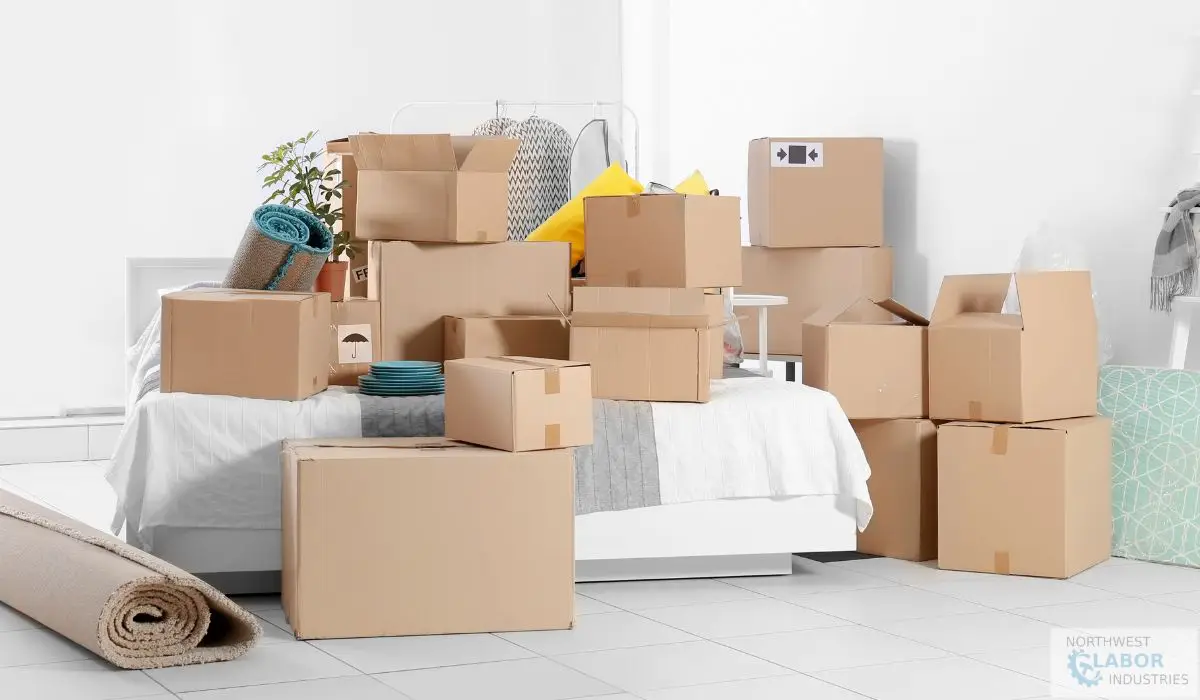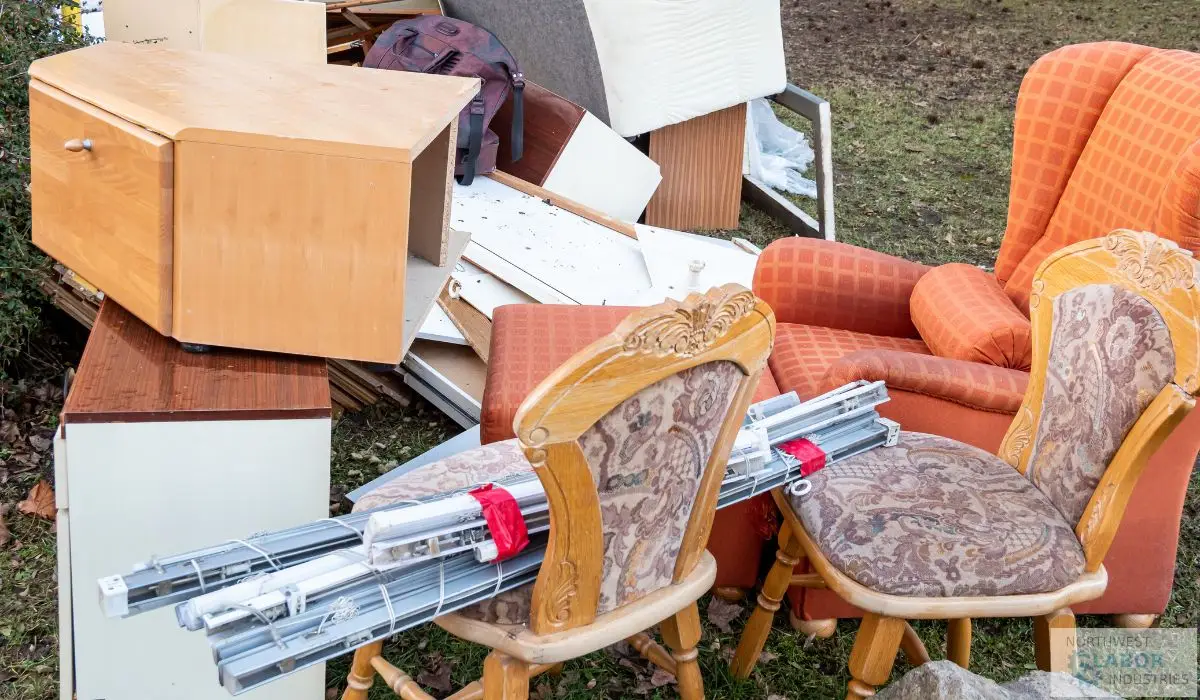

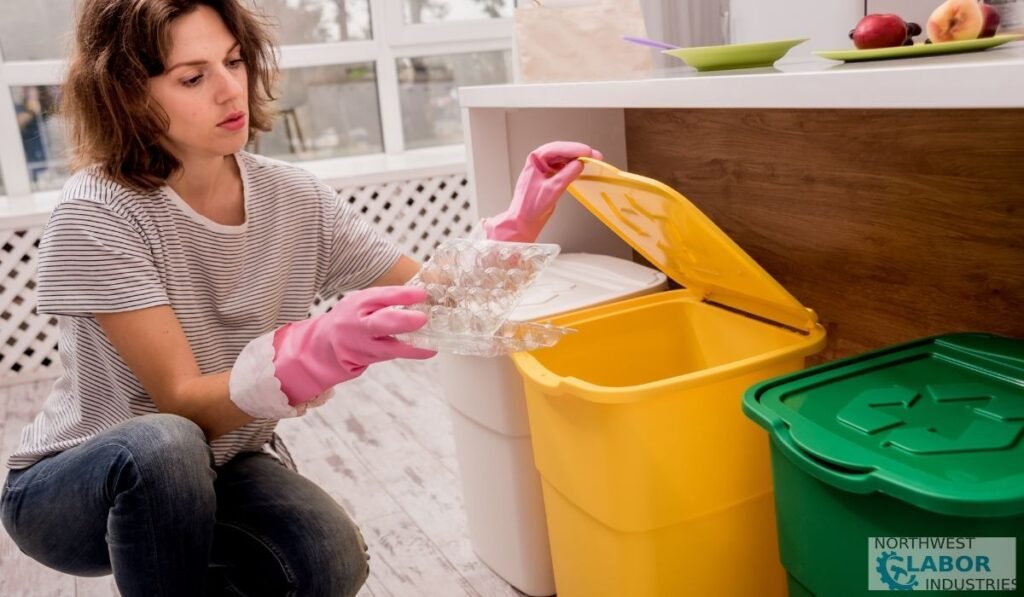
That Seattle trash bin stuffed to the brim tells one story. Our city’s environmental protection goals tell another. The average American generates about 4.9 lbs of municipal solid waste daily. That municipal solid waste generation adds up fast, that’s for sure.
Here in Metro Seattle, King County’s mandatory sorting system under the latest 2026 environmental guidelines changes the game. It keeps utility bills low and protects Pacific Northwest natural resources.
From our experience, small shifts in managing waste at home create real cost savings, a smaller carbon footprint, and a stronger local circular economy.
This article shares practical ways to reduce household waste in Seattle, WA while lowering your household waste and boosting environmental protection.
We wrote this guide to help you sort smarter and spend less. Looking for ways to recycle at home? Check our previous article. Curious about how to dispose food waste at home? The next section covers that.
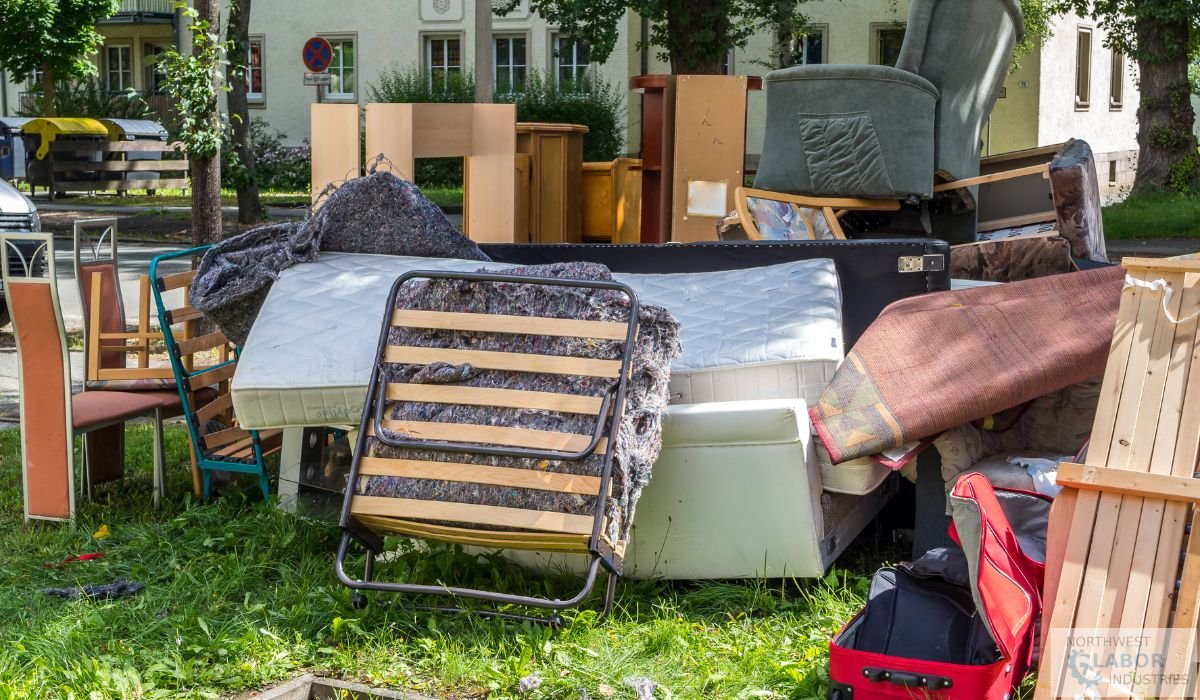
And when you face a pile of household junk that won’t fit in any bin? Our main post has you covered.
Short Summary
- Discover practical ways to reduce household waste through smart kitchen habits and intentional grocery shopping.
- Master King County’s local recycling guidelines for proper sorting, composting, and recycling programs.
- Swap single-use plastics for reusable alternatives and make smarter purchases to cut packaging waste.
- Handle hazardous waste and electronic waste safely while building sustainable practices at home.
- Clear clutter with help from Northwest Labor Industries to support waste reduction and environmental protection.
Smart Kitchen Habits to Curb Food Waste
A typical family tosses hundreds of dollars worth of edible food each year. We see this pattern often during junk removal jobs. The kitchen stands as the highest-impact spot for cutting residential waste right at the source.

#1. Plan Before You Shop
We always suggest families sit down for 10 minutes before any trip. List exact meals for the week. This simple step stops excess food scraps from piling up in your fridge. Meal planning turns into a smart budget move. It prevents food waste before it even begins.
#2. Shop With Intention
Head to Seattle-area farmers’ markets when you can. Grab reusable produce bags at the door. Skip the single-use plastics at checkout. A shopper can save as much as $40 a month this way.
Support local farmers while you cut food waste at home. These choices deliver clear cost savings too. Small actions here shrink your overall waste at home load fast.
Follow King County’s Recycling and Composting Rules
Seattle Public Utilities bans food waste from regular garbage under the 2026 guidelines. We respect how this rule shapes daily life across King County. Proper sorting protects our region and keeps costs steady.
Book Junk Removal Today!
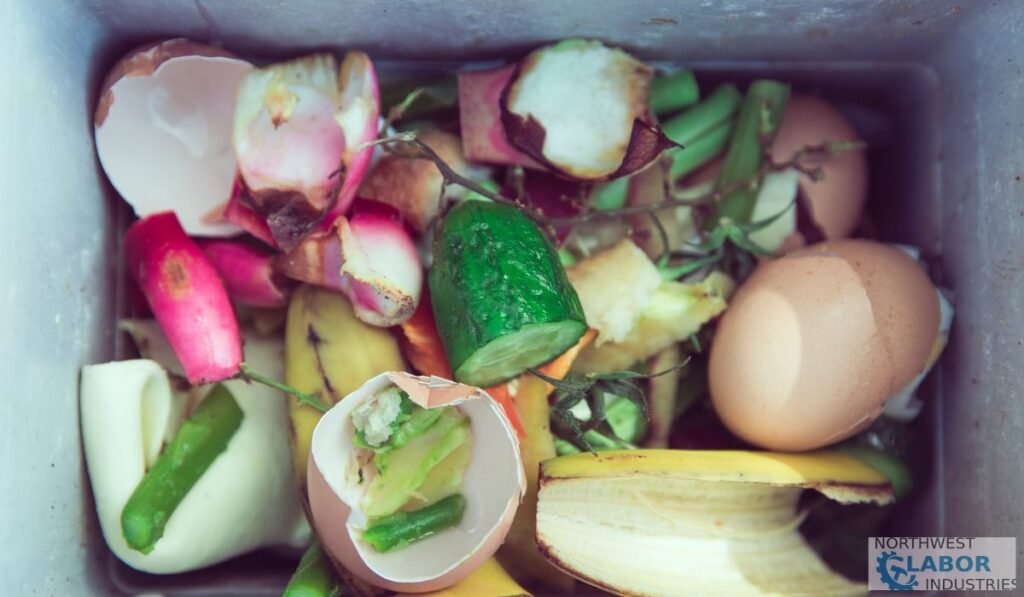
#3. What Goes in the Compost Bin
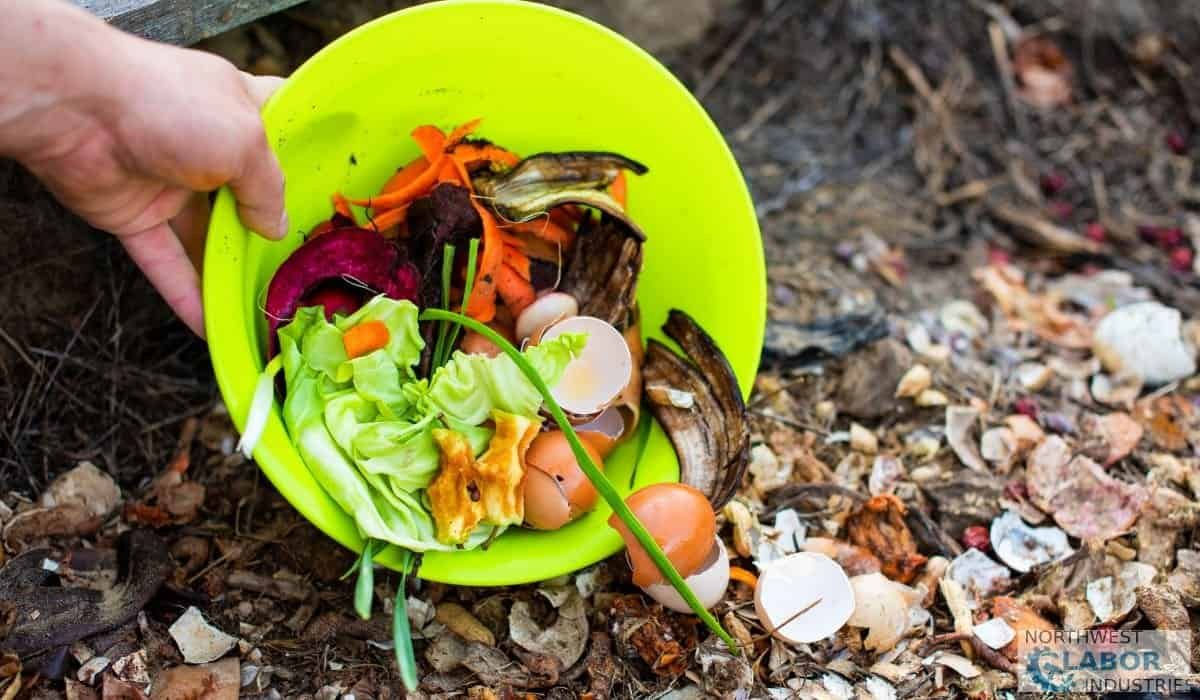
Toss organic waste and food scraps straight into your curbside compost bin. Add grass clippings and other yard waste here as well. Keep these organic materials out of household trash.
They head toward regional soil recovery programs instead of landfills. This move cuts greenhouse gas emissions and supports reduced greenhouse gas emissions locally.
#4. How to Recycle Right
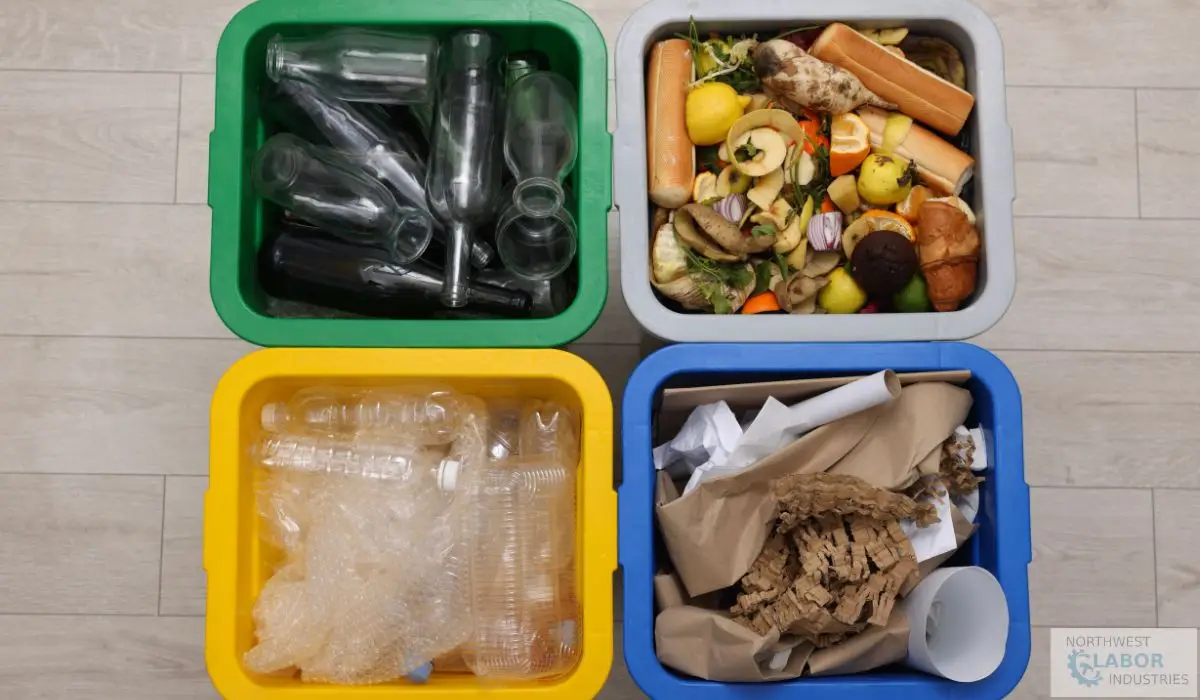
Follow local recycling guidelines every time. Make items clean, empty, and dry. Contaminated loads often end up as landfill waste. Stick to plastics #1 and #2. These turn into recycled plastic reliably. Other numbers risk spoiling the whole recycling bin.
Recycled glass works forever. Recycling aluminum brings 95 percent energy savings compared to new production. We pull plenty of plastic containers and recyclable materials from job sites. Strong recycling programs make the difference.
Replace Single-Use Items With Reusable Alternatives
Sorting helps, yet swapping items cuts plastic waste even more. We focus here on everyday swaps already inside homes and bags. These changes build steady progress.
#5. In the Kitchen and Around the House
Ditch disposable paper towels. Switch to cloth napkins or turn old cotton shirts into rags. This step slashes paper waste quickly. Trade plastic bags and extra plastic containers for sturdy cloth bags and reusable bags.
#6. On the Go
Carry a refillable water bottle everywhere. Most bottled water comes from the tap anyway. Pair it with reusable cutlery for lunches out.
Visit neighborhood bulk refill stations. Restock without new packaging materials. One regular client now minimizes waste so well that his weekly trash fits in one small bag.
These reusable alternatives to single-use plastics feel good in practice. They reduce plastic waste and keep dollars in your pocket.

Make Smarter Purchases to Reduce Waste Before It Starts
Waste reduction starts before you reach the checkout counter. Seriously. We haul away so much stuff that never should have been bought in the first place. The best ways to reduce household waste happen upstream. Stop the trash before it enters your home.
#7. Buy Less, Buy Better
Choose products with minimal packaging. A bunch of bananas needs no plastic wrap. Bulk bins beat individual snack packs every time. Buying staple goods in bulk cuts the overall volume of materials generated at home.
Look for recycled materials or recycled paper in the products you buy. That choice drives demand for post-consumer waste stream recovery. Benjamin Franklin once said, “A penny saved is a penny earned.” We say a pound of packaging waste avoided is a pound not hauled.
#8. Borrow, Rent, and Opt Out
Do you really need a power drill on your shelf for three years? Rent one from a Seattle tool library instead. Avoid unnecessary purchases that become tomorrow’s clutter. Fast fashion is a disaster.
Textile waste harms human health and fills dumps. Borrow a dress. Rent camping gear. Opt out of unwanted junk mail through Catalog Choice.
That simple step lowers resource consumption and saves trees. These small waste reduction efforts add up to real ways to reduce waste.
Handle Hazardous and Electronic Waste the Right Way
Lithium ion batteries start fires at King County transfer stations. True story. As a result, regional landfill bans now make proper disposal a safety issue, not just an environmental one. Good waste management protects people.
#9. Know What Counts as Hazardous Waste
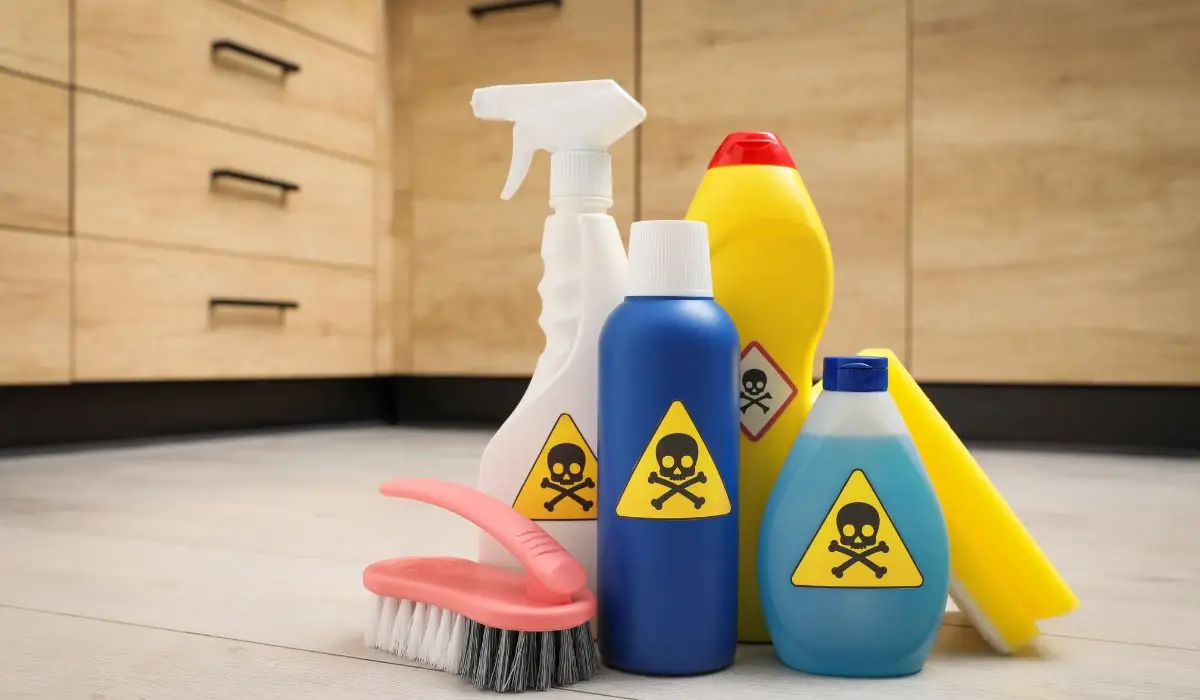
Household hazardous waste includes leftover paints, motor oil, batteries, and corrosive cleaning chemicals. Never toss these in regular bins. Keep hazardous materials tightly sealed in their original labeled containers.
Dried latex paint can enter standard household trash. Items with heavy metals like old thermometers cannot. A single battery can cause environmental contamination for decades.
We once pulled a car battery from a recycling bin. Don’t be that person.
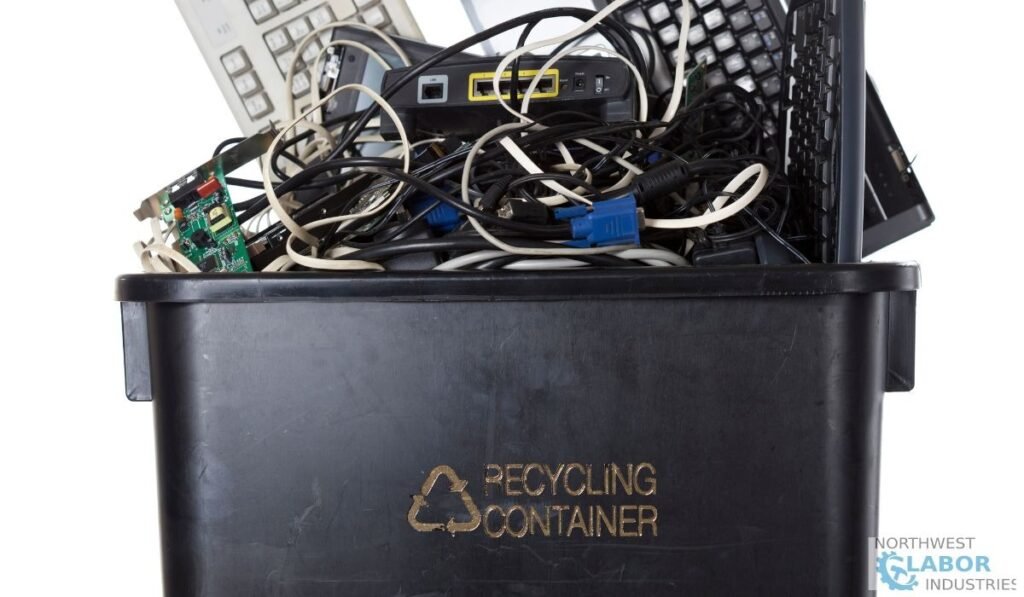
#10. Extend the Life of Electronics
Washington’s updated Right-to-Repair systems give old devices new life. Fix that phone instead of trashing it. This approach extends electronic waste lifespan and maximizes resource conservation.
Old electronics hold valuable materials like copper, gold, and rare metals. Those aren’t trash. They are recoverable. Proper disposal lowers your environmental impact and keeps toxic bits out of our soil.
Ask yourself this. Would you pour poison in your backyard? Then don’t bury it in a landfill either.
Final Thoughts
Zero waste living doesn’t demand perfection. Sustainable practices work best when they fit your real life. Seattle has a strong circular economy, so use it. Waste reduction gets easier once you clear the old clutter. That is our “Clean Canvas” strategy.
Start fresh. Build better habits.
Need a hand? We sort through garage pile-ups, heavy yard debris, and old remodeling materials. Our team diverts everything possible to local thrift stores, donation centers, and specialty recycling programs. The goal: Less landfill waste and more environmental protection.
Small shifts lower your environmental footprint. They also help you reduce waste at home. Every bin sorted right makes a difference.
Ready to take the next step? Visit our homepage and see how we handle household waste the right way. Let’s help you start clean.