
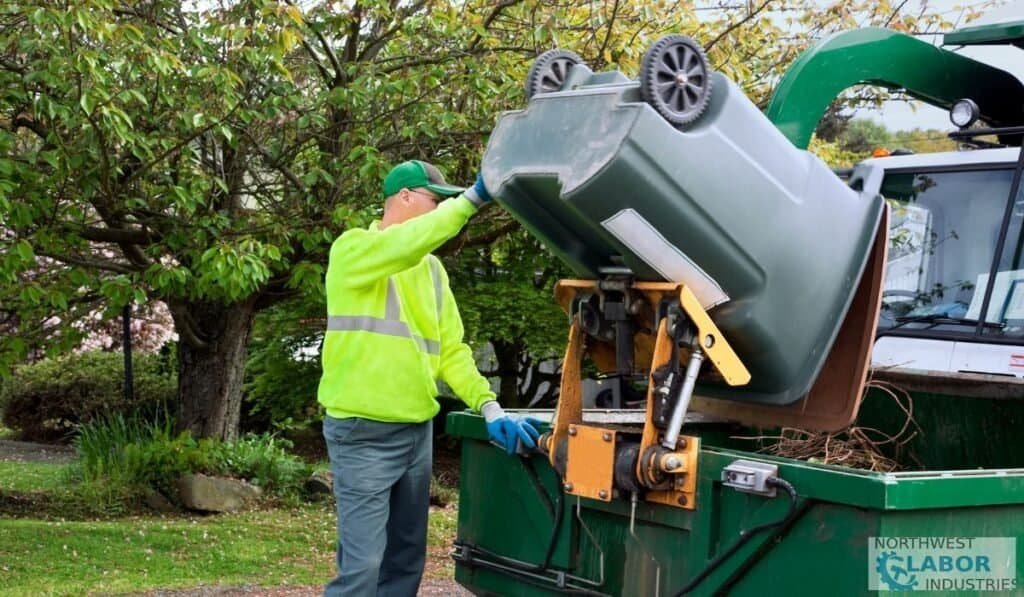
Seattle is one of those cities that actually walks the talk on trash. Recently, the Seattle Public reported that residents are sorting recyclables at a 74% capture rate. And you know what? That figure finally surpassed the city’s own 70% goal!
That’s not a small win for a community this size. From our experience, most families and small businesses do not realize how close they already are to zero waste, they just need a clearer map of the rules.
That’s exactly what this guide offers. We will walk through Seattle waste management system from curbside carts to transfer stations, so residents know what goes where and why it matters.
Whether you’re a homeowner sorting your first green bin or a business owner managing commercial pickup, understanding these systems supports both your household and the broader push for sustainability across the city of Seattle.
Short Summary
- Master the three-cart system for garbage, recycling, and food yard waste in Seattle.
- Learn mandatory compost rules and how to save money on your utility bill.
- Discover free special pickups, transfer station details, and when to call pros for bigger jobs.
- Keep your neighborhood clean while you protect the environment through smart waste collection.
Streamlining Your Curbside Garbage, Recycling & Food/Yard Waste
Sorting your bins right saves money and keeps collection crews happy. Here’s what every household in the city needs to know about the three-cart setup.
The Three-Cart System Explained
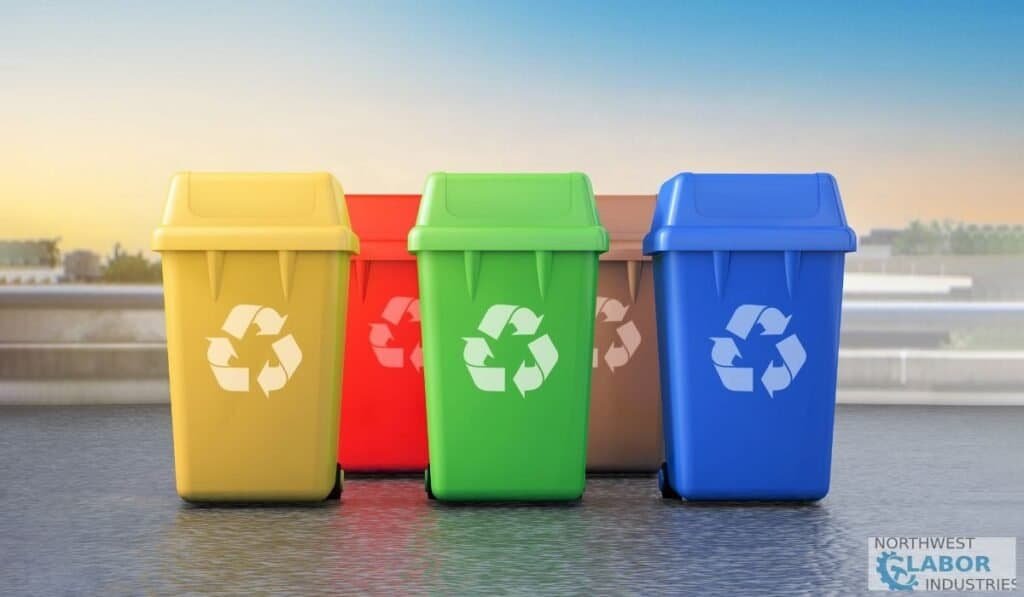
Seattle residents work with three color-coded containers: black for garbage, blue for recycling, and green for food and yard waste.
Recycling services come included in your base garbage bill, so there’s no extra charge for sorting responsibly. We’ve seen plenty of new movers mix this up their first month. But once you learn the colors, it clicks fast.
Mandatory Composting: What Goes in the Green Bin
Composting in the Emerald City isn’t optional. City code has banned food scraps from the garbage cart since 2015, and separate food yard waste service has been required for houses since 2012.
Skip a sort, and crews tag your cart with a warning. Keep it up, and residential customers face a $1 fee per collection.
So what belongs in green? Think broadly:
- Fruit and vegetable scraps, meat, bones, dairy
- Food-soiled paper like napkins, pizza boxes, and paper towels
- Untreated wood and yard trimmings
As one waste reduction advocate once put it, “There’s no such thing as “away,” when we throw anything away, it must go somewhere.” That mindset drives Seattle’s whole system.
Book Junk Removal Today!
What You Can (and Can’t) Recycle at Curbside
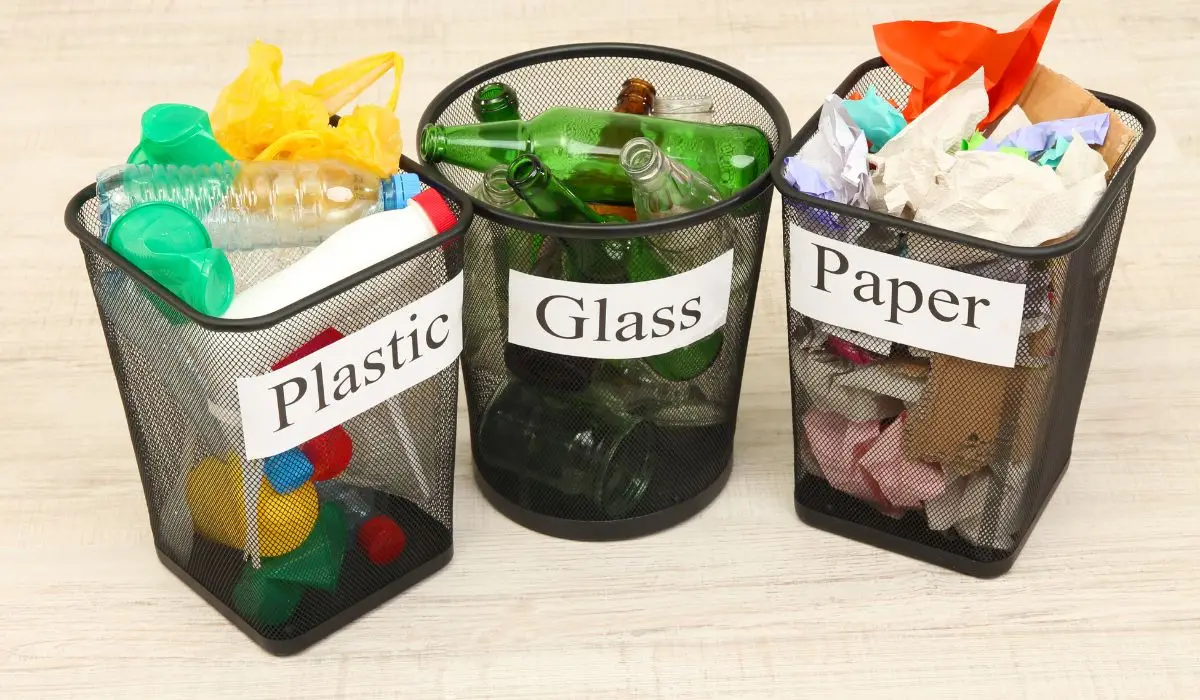
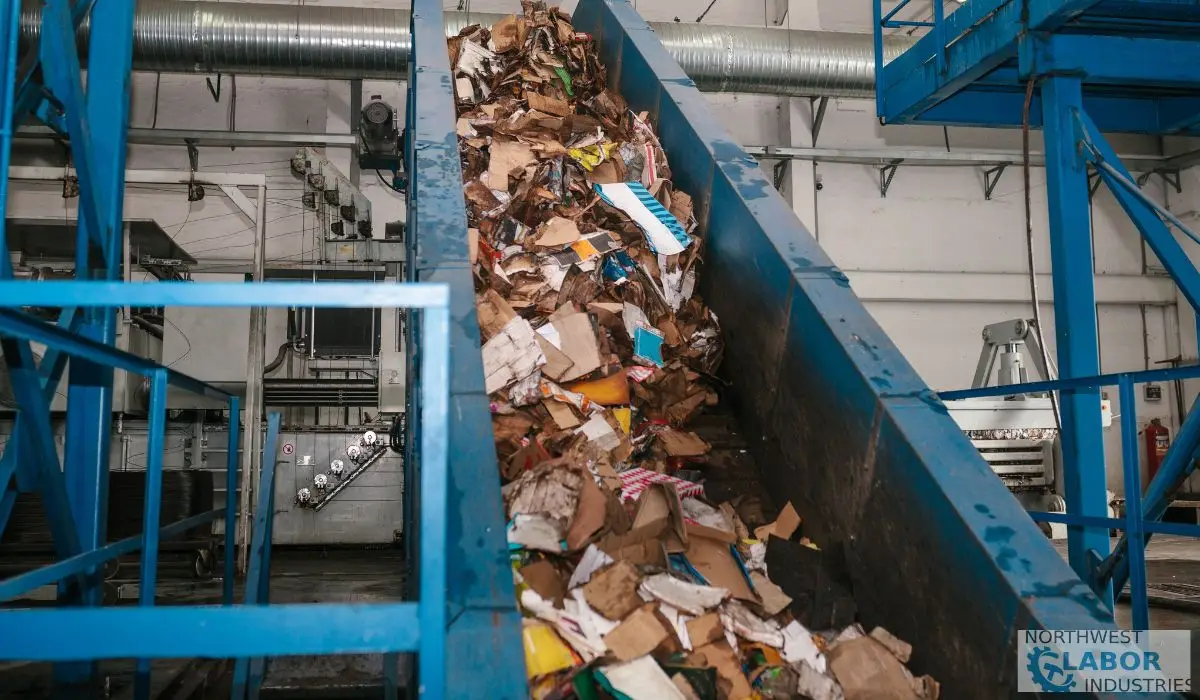
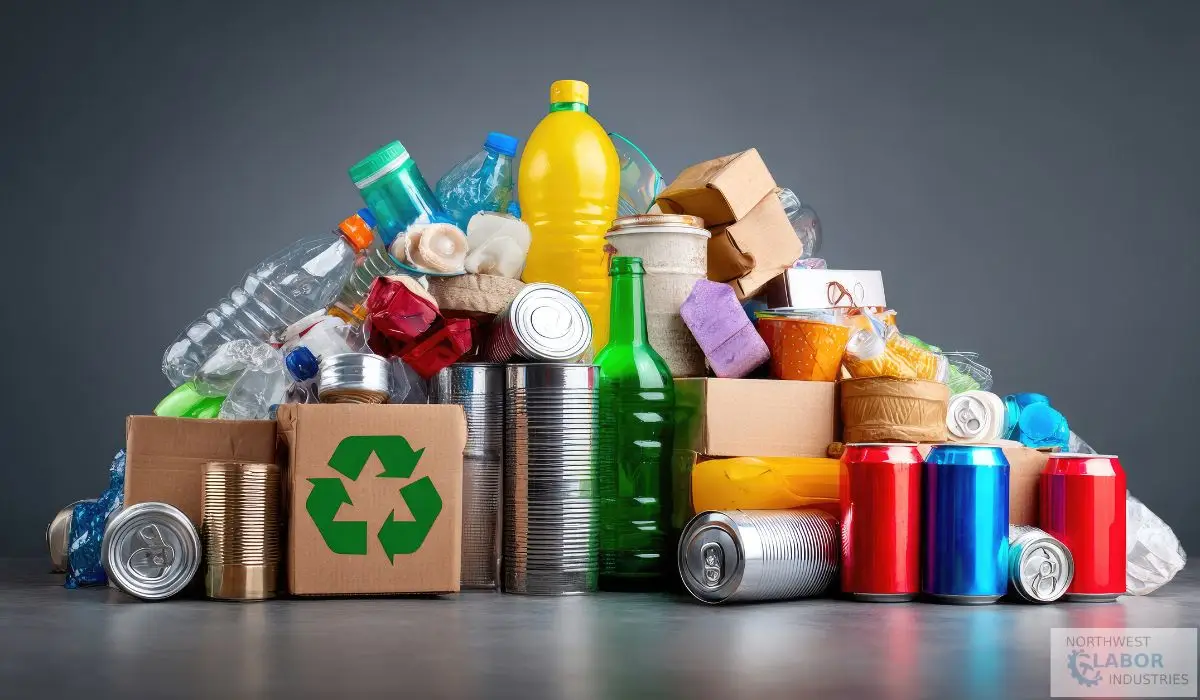
Recycling works best clean, dry, and loose. Never bag it. Paper, cardboard, plastic bottles, glass, and metal cans are all accepted, but greasy pizza boxes and shredded paper cause headaches for sorting facilities.
Want a deeper household breakdown? Check our guide on ways to recycle at home. Curious why any of this matters? We cover that in 10 reasons why recycling is important.
Collection Schedule & Sorting Tips
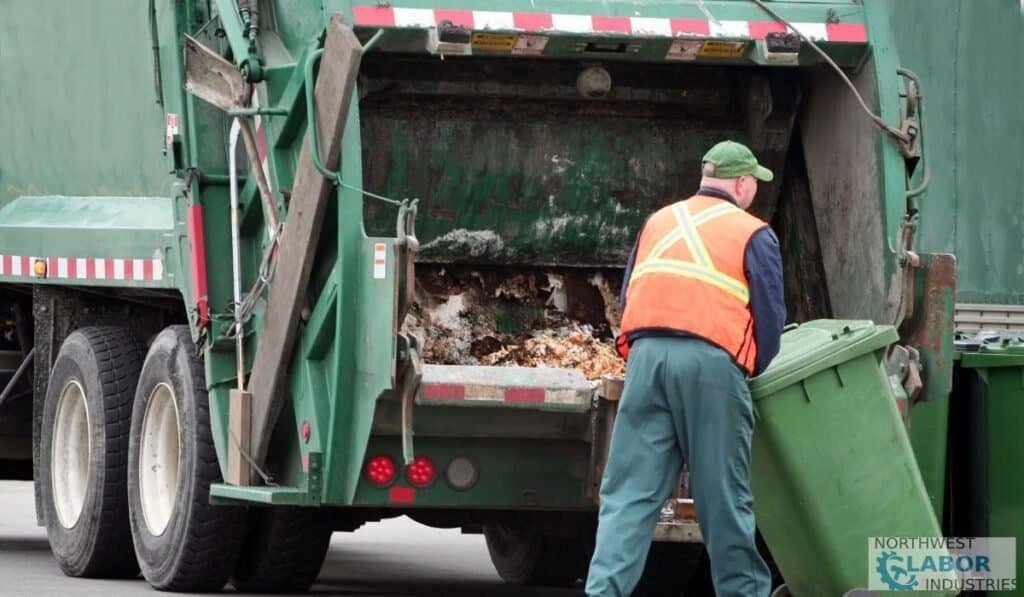
Garbage and food yard waste get picked up weekly. Recycling runs bi-weekly, so mark your calendar or you’ll miss collection day!
For the full breakdown of what goes where, our guide to Seattle recycling rules has you covered. A quick tip from our own routine: set carts out the night before. Nobody wants to sprint down the driveway at 6:45 a.m.
Special Services, Transfer Stations & Seasonal Exceptions
Curbside carts handle daily life, but some situations call for extra help. Here’s where Seattle Public Utilities picks up the slack.
New 2026 Free Special Pickup Program
Starting April 1, 2026, every customer gets one free annual pickup for hard-to-recycle stuff. That includes electronics, batteries, and plastic film that can’t go in your regular cans.
Just request it online, and Seattle Public Utilities (SPU) handles the rest. This is a genuine upgrade. Before this year, tossing an old laptop meant driving it somewhere yourself.
Where Does It Go? Disposing of Tricky Items
Not sure how to dispose of something odd, like a propane tank or an old paint can? SPU’s lookup tools exist for exactly that. Skipping proper disposal has real consequences too.
Backyard burning of yard debris, for example, feeds directly into Seattle air pollution. Sorting right isn’t just about bag rules. It protects air quality for everyone nearby.
Transfer Stations: North & South Locations
Bulk trash, construction debris, and big yard waste collection loads belong at a transfer station, not the curb. Seattle runs two: North Station in Wallingford and South Station near South Park.
Both require proof of address for resident rates, and both charge weight-based fees that scale with your load. Heavier loads cost more, obviously, but the per-ton rate stays reasonable for typical household cleanouts.

Holiday, Weather & Seasonal Collection Changes
Three holidays shift collection day by one, including Thanksgiving, Christmas, and New Year’s Day. Winter weather can also delay pickups across the city, so check SPU alerts if snow hits.
November brings a free extra yard waste pickup for leaf season, which regulars know to plan around. Holiday trees get their own window too, running from late December through January. Just cut the tree into four-foot sections and set it beside your green cart, not inside it.
The Complete Playbook: Saving Money and Knowing When to Call a Pro
Good habits pay off. Literally. Here’s how to trim your bill and know when it’s time to bring in help.
How to Lower Your Monthly Utility Bill
Composting and recycling well means you can downsize your garbage cart, and that’s where the real savings show up. Often, households that consistently find their 32-gallon can sits half empty by pickup day.
Log into your account through the SPU website to manage your account and swap cart sizes anytime. It only takes a few minutes to sign up for a change, and smaller carts cost less every single week.
Commercial Waste Collection Requirements
Business owners in Seattle, WA work with two main haulers: Waste Management covers northwest and south Seattle, while Recology handles the northeast and central areas.
Commercial customers get different pickup schedules than homes do, often several times a week depending on volume. Restaurants and offices generate more waste, so garbage collection frequency scales with need.
When Public Services Reach Their Limit
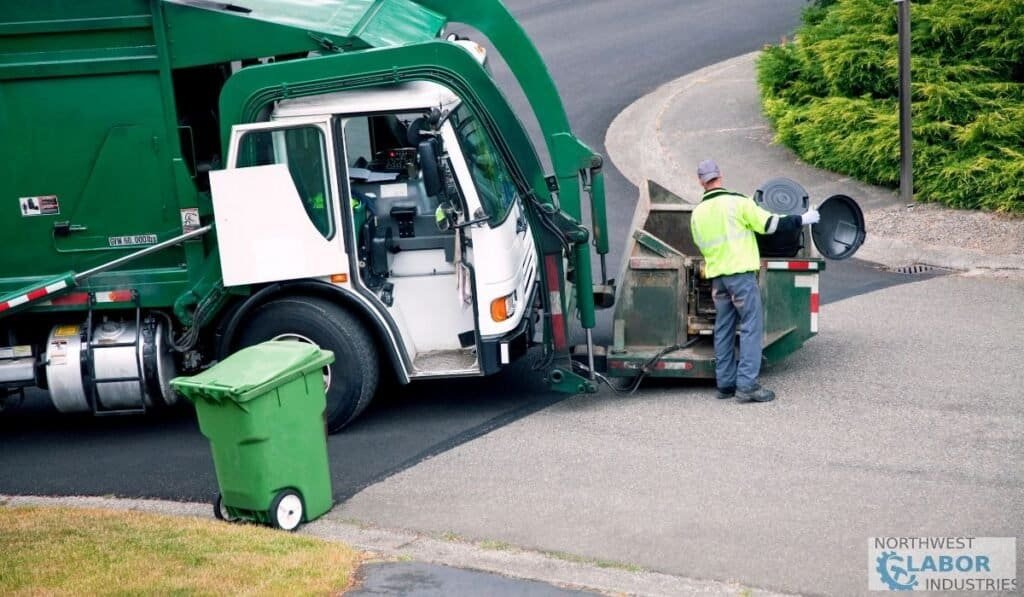
Curbside crews are great for everyday stuff, but they hit a wall fast. SPU workers won’t step onto private property for heavy furniture, full estate cleanouts, or tough situations. That’s a hard line, not a judgment call.
So what happens when your waste management needs to outgrow the bin? That’s where a hauling crew steps in, hauling everything out safely while working to protect the environment and keep your space clean.
As Mr. Rogers liked to say, “Look for the helpers.” Sometimes that means calling in a real one.
Final Thoughts
Staying on top of Seattle’s disposal rules does more than avoid fines. It protects our environment and keeps every neighborhood looking its best. A clean city starts with each household doing their part.
But some jobs exceed what curbside waste collection can handle. That’s when a trusted partner makes all the difference.
Northwest Labor Industries steps in for those bigger loads. We manage the heavy work in full compliance with local eco-rules. You get peace of mind and a clean property without the stress.
To learn more about our full services, visit our homepage. We welcome the chance to contact us with questions. Every item we divert from the landfill strengthens our shared environment. Take that next step and make a difference right where you live.