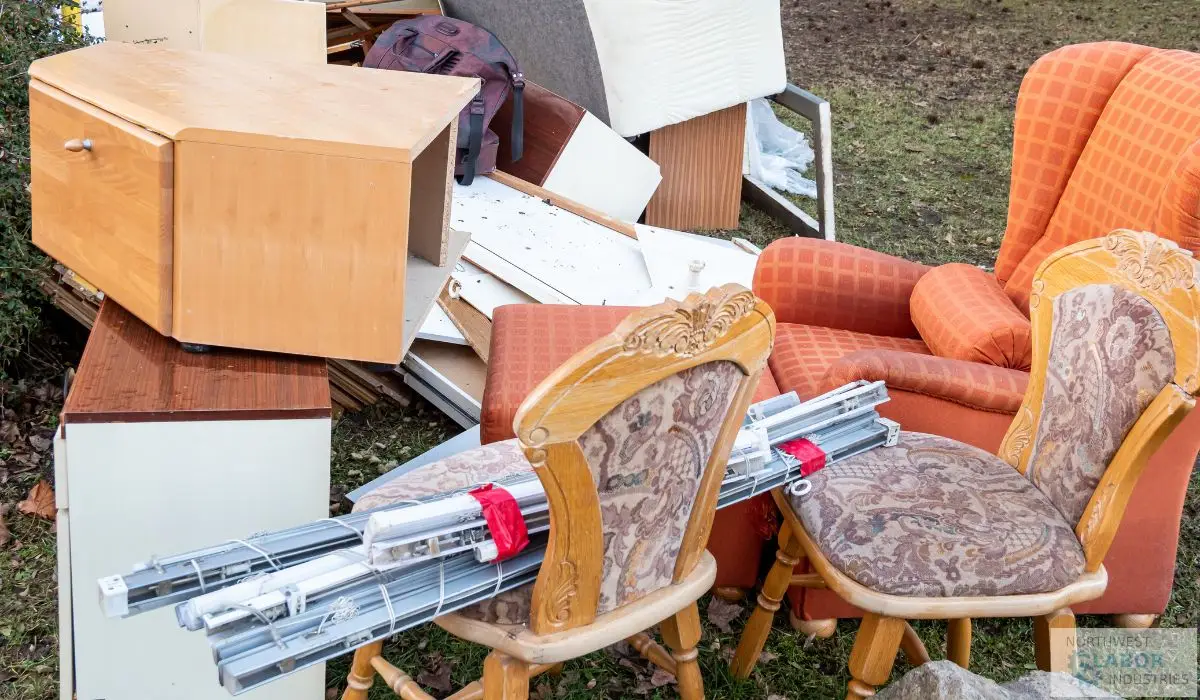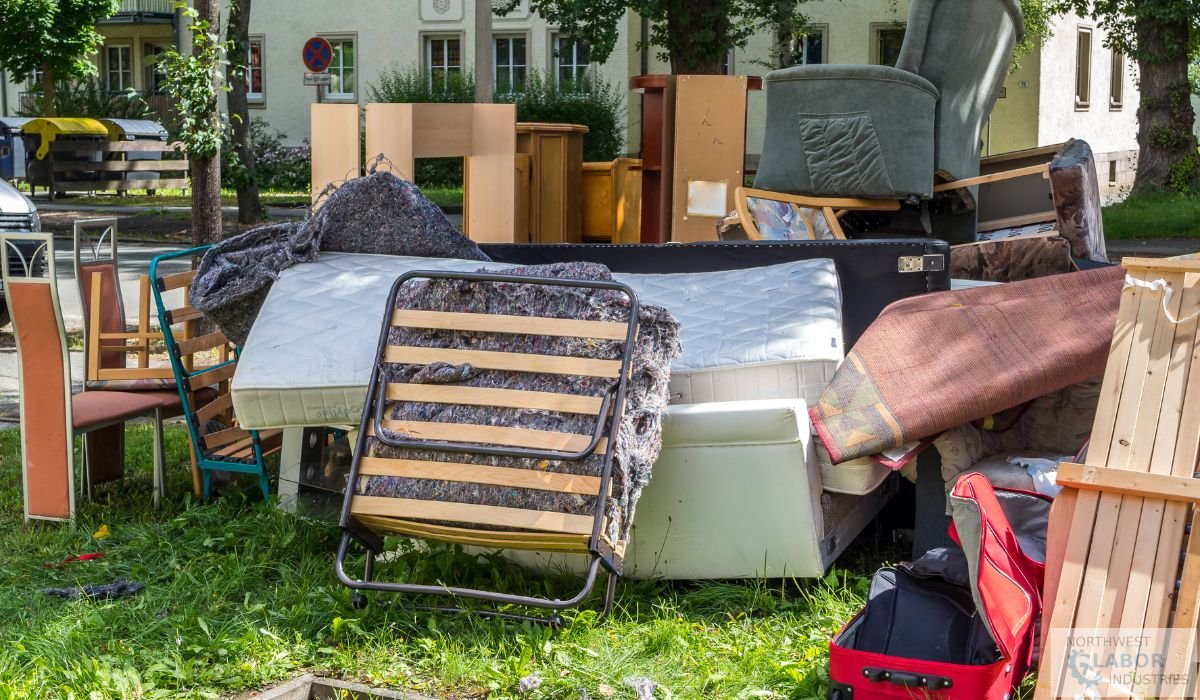

Household waste is any unwanted material tossed out from a home, from food scraps and packaging materials to old electronics and leftover chemicals.
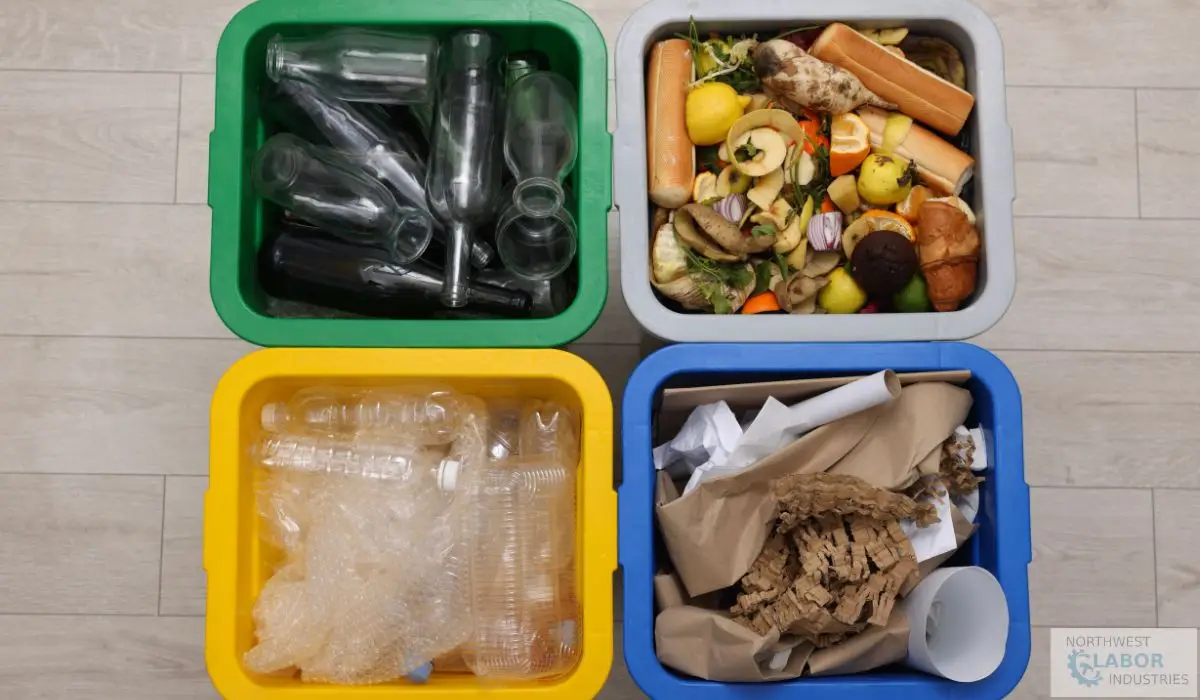
It falls into four categories: general trash, recyclables, organic waste, and household hazardous waste. Each one needs a different disposal method, and sorting it right keeps banned items out of the landfill.
Americans generated about 292.4 million tons of solid waste in 2018, or roughly 4.9 pounds per person each day, according to the U.S. Environmental Protection Agency (EPA).
Sounds like a lot, but from our experience, a busy home can send plenty of material into that stream each week, from food scraps and empty containers to worn-out items and cleaning products under the sink.
So, what is household waste in Seattle, WA, and where should each item go? Know the answer, and that knowledge can help make cleanup simpler and help prevent improper disposal. This guide explains household waste, its four main types, and the proper disposal methods for each.
For more on old mattress disposal, see our previous guide. Our upcoming household waste management article will cover broader ways to reduce waste at home. This guide also connects to our main household junk resource for larger cleanouts.
Short Summary
- Household waste covers anything a home throws out, and it sorts into four types: general trash, recyclables, organic waste, and household hazardous waste.
- General trash covers items with no better destination, like soiled packaging and broken housewares.
- Organic waste, including food scraps and garden trimmings, can go in a green bin or home compost.
- Recyclables need a quick rinse and a symbol check, since clean sorting is what keeps a load out of the landfill.
- Household hazardous waste, like motor oil, paint, and batteries, needs special handling and belongs at a King County drop-off site, not the trash can.
- Bulky items past curbside limits, such as furniture or a full garage cleanout, call for a licensed local hauler.
What Is Household Waste? A Clear Definition
Let’s break down exactly what counts as household waste and why the distinction matters. We’ll start with the definition, then get into why sorting it correctly protects your home and the planet.
How Household Waste Is Defined
Household waste, also called residential solid waste, is any unwanted material generated inside a home. That’s different from commercial, industrial, or construction waste, which follow separate rules and disposal paths entirely.
So what is household waste, really? Think about everything that leaves your house on trash day: food wrappers, broken toys, expired medicine, and yes, that mystery liquid in the garage. If it came from daily living inside your four walls, it counts.
Why the Waste Stream Matters
A modern waste stream isn’t one bin. It’s four, each with its own job. Sorting waste types correctly isn’t some bureaucratic hoop to jump through, either. Toss a can of paint into the regular trash, and it might contaminate an entire recycling load down the line.
Ever wonder where that paint actually ends up? Environmental advocate Annie Leonard put it well: “There is no such thing as ‘away.’” Hazardous items dumped in the wrong place can leach into soil and water, creating real environmental impact.
There’s a human health risk too, especially for the workers who handle improper disposal every single day. Sorting it right, from the start, protects everyone downstream.
Book Junk Removal Today!
The 4 Types of Household Waste
Household waste breaks down into four distinct waste types, and knowing which bin each item belongs in makes disposal day a whole lot simpler. Here’s a quick breakdown before we walk through each category in detail.
| Waste Type | Common Examples | Where It Goes |
| General Trash | Soiled packaging, broken housewares, single-use items | Curbside garbage bin |
| Organic Waste | Food scraps, garden trimmings, coffee grounds | Green bin or home compost |
| Recyclables | Metal cans, glass bottles, plastic containers, paper | Curbside recycling bin |
| Household Hazardous Waste | Paint, batteries, cleaning chemicals | Special drop-off site |
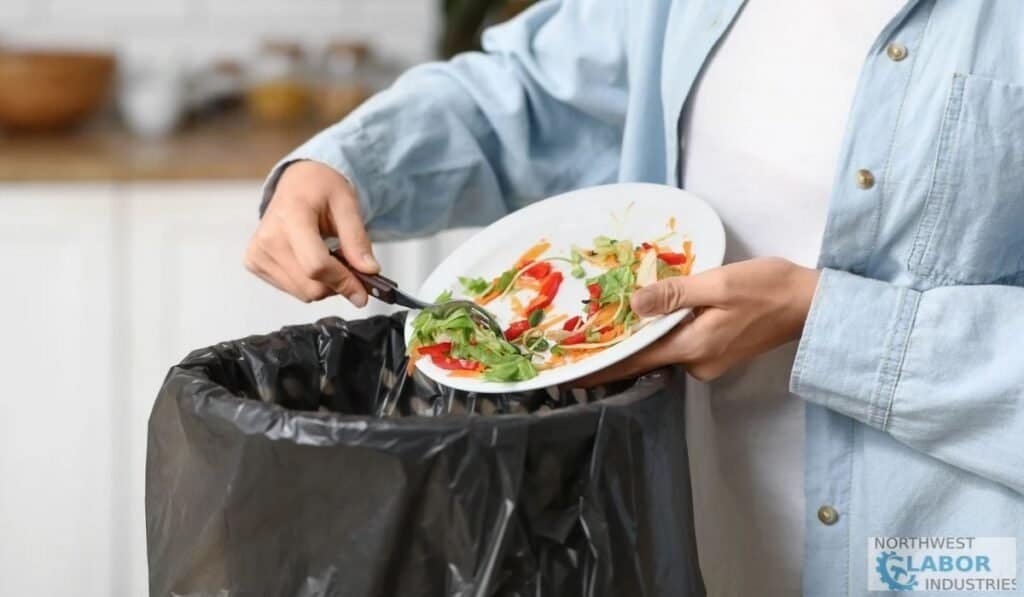
1. General Trash and Non-Recyclables
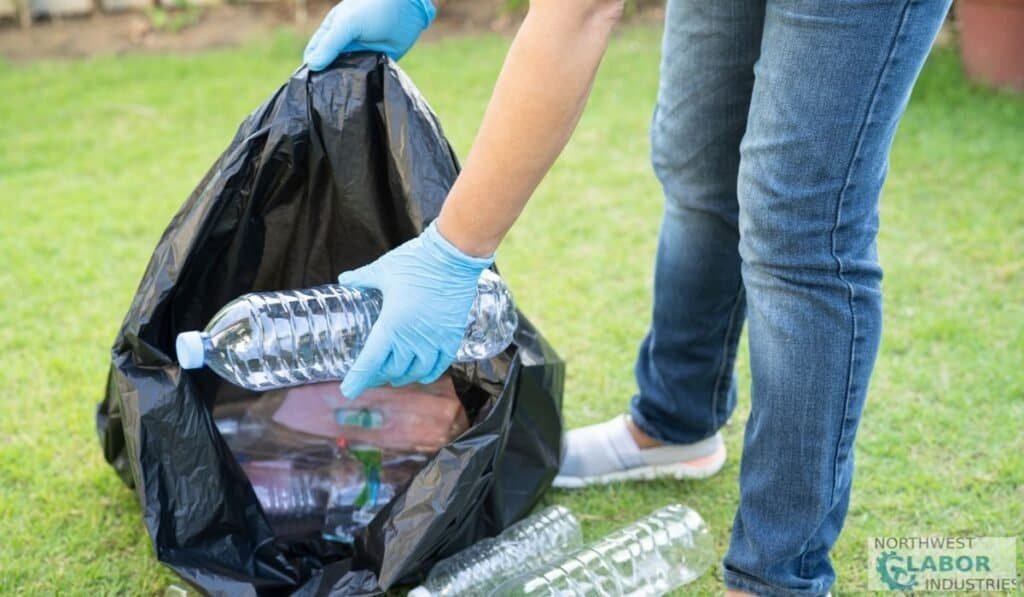
General trash covers everyday residential refuse: soiled packaging materials, single-use items, and broken housewares that can’t be fixed or reused.
For example, greasy pizza boxes, broken toys, or a busted umbrella. If an item genuinely has no better destination, the garbage bin is where it belongs.
2. Organic Waste
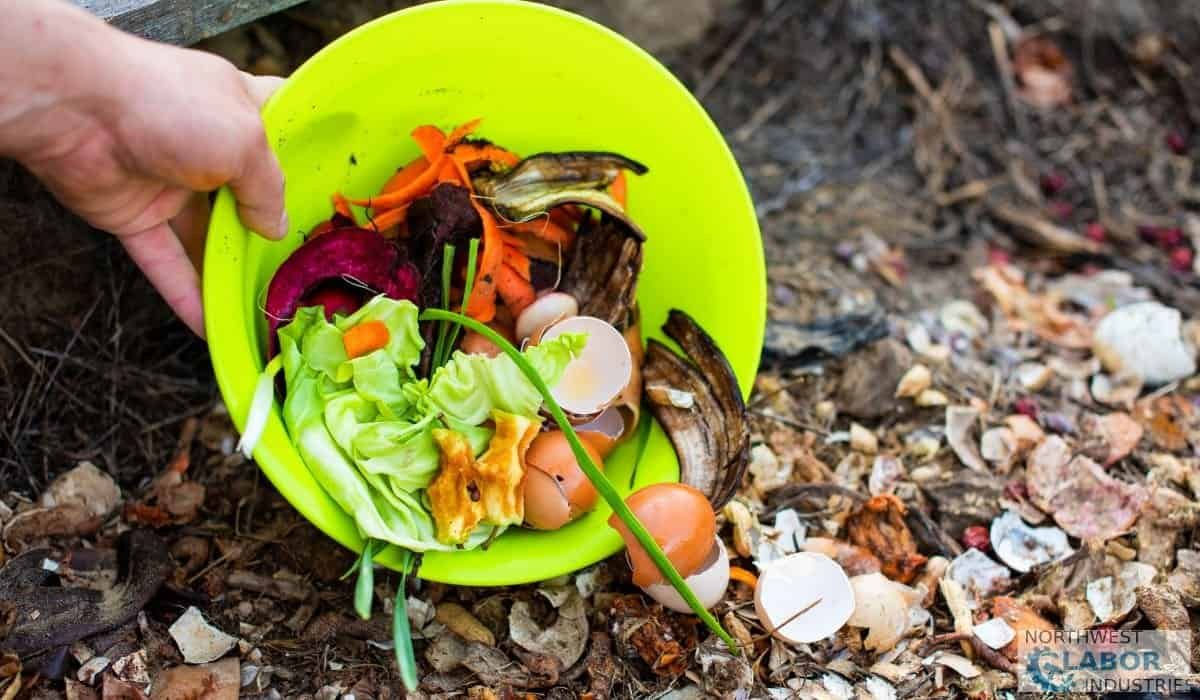
Organic waste includes food scraps, vegetable peels, coffee grounds, and garden trimmings. In our experience, most of this can be diverted through home composting instead of the trash can, which cuts landfill volume fast.
Across most of Metro Seattle, yard and food waste get picked up curbside in the green bin, so there’s rarely a reason to toss organic materials in with the rest.
3. Recyclable Materials
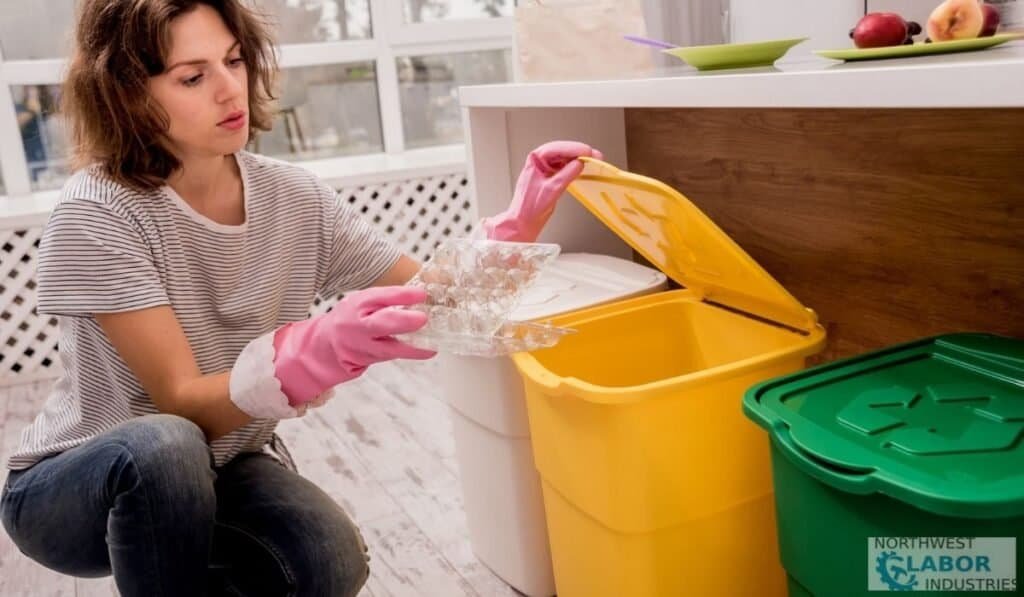
Recyclable materials include paper, metal cans, glass bottles, and plastic containers, but not every plastic makes the cut. Rinse containers before tossing them in, and check the recycling symbols stamped on the bottom, since local programs vary on what they’ll accept.
Clean waste separation is what determines whether your load gets recycled or dumped straight into a landfill, so a little rinsing goes a long way toward proper recycling.
4. Household Hazardous Waste
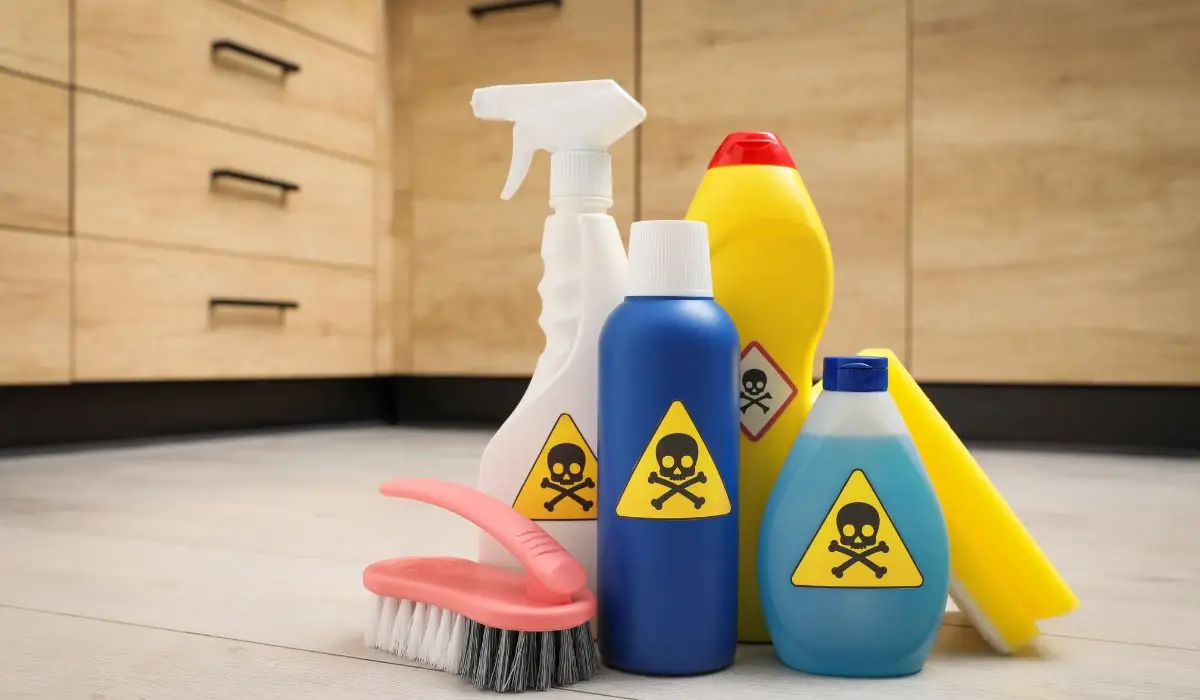
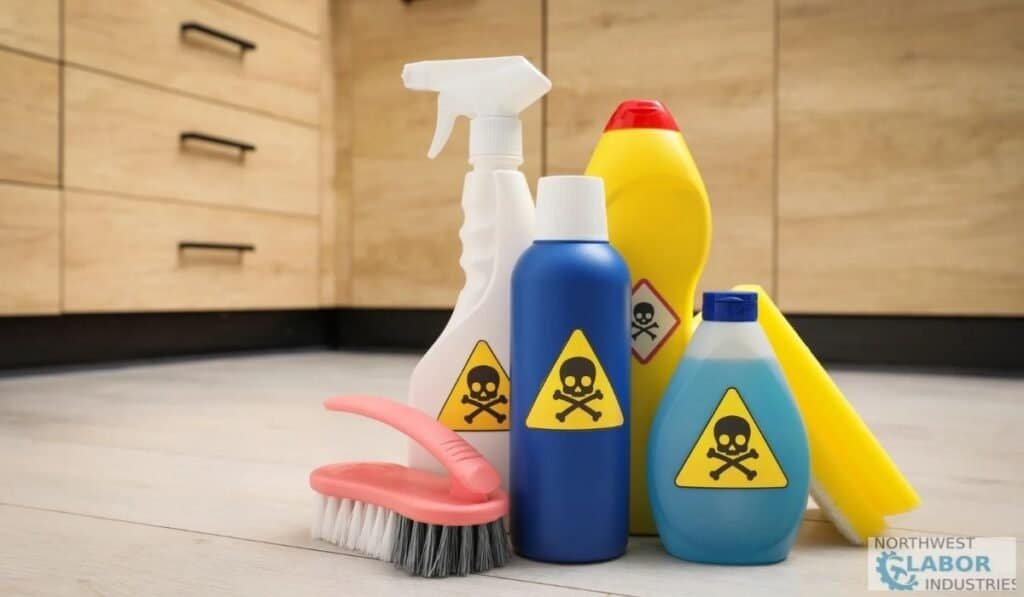
Household hazardous waste covers anything corrosive, flammable, reactive, or toxic, like paint thinner, pool chemicals, car batteries, and pesticides. This category of hazardous waste needs special handling, which we’ll walk through in detail in the next section.
How to Dispose of Hazardous and Bulky Items in Metro Seattle
This is where local knowledge on hazardous materials pays off. We’ll cover what needs special handling, how to store it safely, and exactly where King County residents can drop it off.
Which Items Need Special Handling
Household hazardous waste covers a longer list than most folks expect. Motor oil and oil-based paints top the list, since both can contaminate groundwater in a landfill.
Cleaning chemicals and other household chemicals are next, mixing them in a compactor can trigger a dangerous reaction. Fluorescent bulbs contain mercury, one of many toxic substances that shouldn’t hit regular trash.
Lithium batteries are a known fire risk, they’ve sparked compactor fires before. Cell phones and other electronic waste carry heavy metals with no business in a landfill. If it’s flammable, corrosive, or toxic, it needs safe handling from the start.
Safe Storage Until Drop-Off
Before you haul anything to a collection site, follow three simple storage rules:
- Keep items in their original containers with labels intact, since a mystery jug is a recipe for trouble.
- Store products away from heat sources, like a hot garage or direct sun.
- And never mix products together, even ones that seem similar.
We’ve seen what happens when two “harmless” cleaners get combined. It’s not pretty, and it’s not safe.
Where Seattle Residents Take It
King County runs four permanent household hazardous waste drop-off programs, all free with no appointment needed: North Seattle, South Seattle, Factoria in Bellevue, and a new Algona site that just opened, replacing the old Auburn location.
From February through October, the traveling Wastemobile adds seasonal collection programs across the county, so check the current schedule before loading up the car.
One quick note: Washington’s Recycling Reform Act, signed in 2025, targets curbside packaging recycling, not household hazardous waste, and its rules won’t fully phase in until 2030.
Items That Exceed Curbside Limits
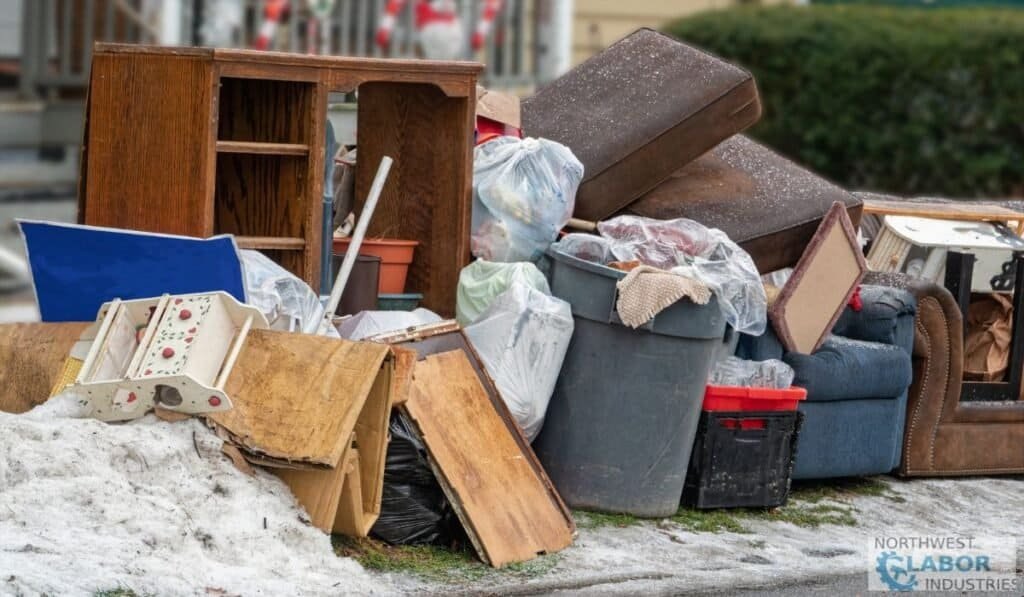
Some items are simply too big, heavy, or plentiful for a household hazardous waste drop-off or your weekly pickup. Bulky furniture, appliances, mattresses, and renovation debris all fall into this category.
A full garage cleanout or estate cleanout pushes volume well past what any curbside service will take in one trip. That’s the point where a licensed local hauler earns its keep, sorting what you no longer want for donation, recycling, and proper disposal.
Final Thoughts
So, what’s the real takeaway here? Household waste breaks down into four simple buckets: general trash, recyclables, organic waste, and household hazardous waste.
The sorting decision happens at the bin, not after the truck pulls away, and that one choice separates effective waste management from a load nobody can recycle.
Small habits add up too. A rinsed jar or a composted banana peel might feel minor, but small moves like this reduce waste at the source and help you reduce household waste week after week, supporting real resource conservation for your neighborhood.
Ready to figure out proper disposal for something trickier? Swing by our homepage for more guides on where things go.