
Let’s get real for a second. The average American family tosses more than 6,500 pounds of waste each year, yet here in 2026, barely a third of our municipal solid waste actually gets recycled.
That gap between what we throw and what we save feels frustrating. But from our experience, it also shows exactly why understanding our environmental impact matters more than ever.
We wrote this guide to break down 10 reasons why recycling is important in Seattle, WA. You’ll walk away with clear facts, a better sense of your own power to protect the environment, and a few fresh ideas you can use starting today.
You’ll notice we sprinkled in some handy recycling statistics from our latest research. If you want to understand how clutter builds up before it even hits the bin, check out our article on the 5 stages of hoarding.
And for the deep dive on local pickup rules and schedules, our Seattle waste management post has you covered.
Short Summary
- Recycling cuts down on waste and saves energy while protecting local ecosystems around Seattle.
- We shared 10 reasons why recycling is important plus practical facts that make a real difference for homeowners.
- Proper sorting helps reduce plastic waste, lowers greenhouse gases, and supports a healthier planet.
- Small recycling habits at home add up fast when everyone pitches in.
Does Recycling Actually Help? The Environmental Reality
Many homeowners ask one thing first: does recycling actually help? Short answer, yes. The impact becomes clear when we look at how materials move through the system.
Understanding the Circular Economy
A circular economy keeps materials in use instead of tossing them after one cycle. Items get reused, processed, and turned into new products.
Speaking from our experience clearing homes, cardboard boxes often return as packaging again. That loop matters – it cuts demand and keeps useful materials out of the trash.
How Recycling Reduces the Need for Raw Materials
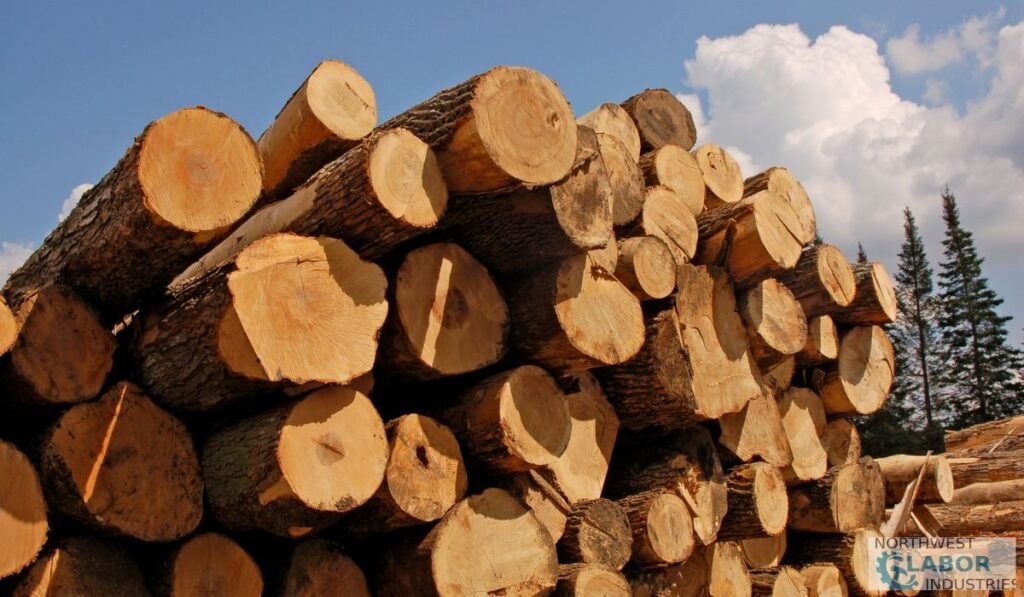
Here’s where it gets real. Recycling reduces the need to extract resources like timber and metals.
Less demand means less mining and fewer trees cut for raw materials. One example we see often: metal scrap gets processed instead of pulling fresh ore. Recycling reduces the need for energy-heavy extraction and manufacturing.
Book Junk Removal Today!
Impact on Air, Water, and PNW Ecosystems
Cleaner systems protect what makes Seattle unique. Fewer emissions mean fewer greenhouse gases in the air.
Less dumping lowers water pollution in local river systems that feed Puget Sound. Responsible sorting at home helps keep toxins out of waterways and protects ecosystems across the region. It’s a direct environmental win.
5 Facts About Recycling You Need to Know in 2026
These 5 facts about recycling show why small actions add up fast. Each one reflects what we see daily on the job.
Fact 1: Energy Savings from Recycled Materials
Processing recycled materials uses less energy than starting from scratch. That means real energy saved across manufacturing.
We’ve seen warehouses reuse packaging materials, cutting costs and power use right away.
Fact 2: Recycling Aluminum Saves 95% Energy
This one surprises people. Recycling aluminum saves up to 95% of the energy needed for virgin materials.
Old cans we haul off often come back as new ones within weeks. That loop saves serious power.
Fact 3: Recycling Glass Reduces Pollution
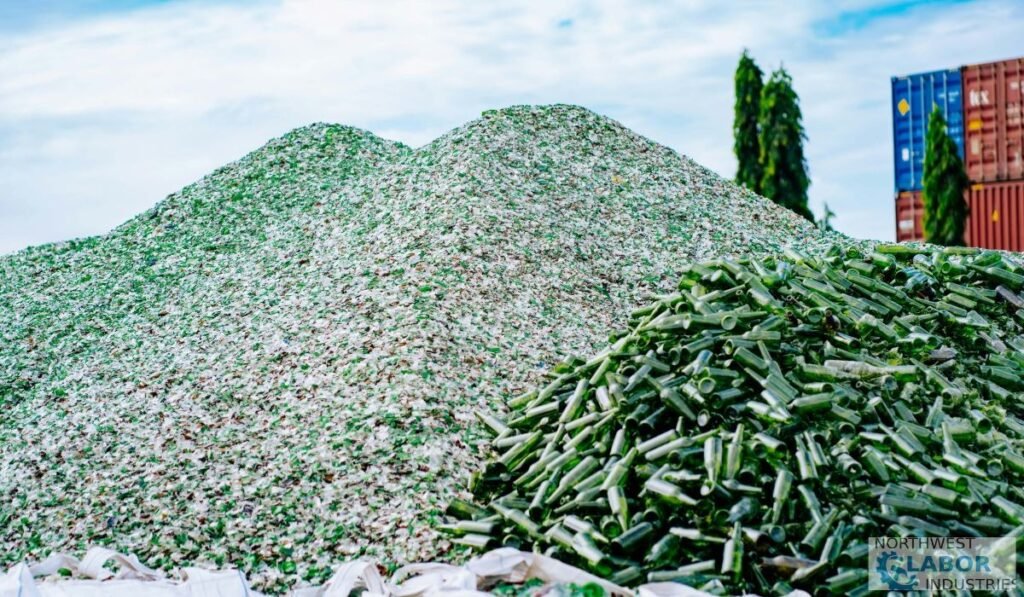
Recycling glass keeps waste out of landfills and reduces emissions. Even better, recycling glass reduces air pollution and water contamination during production.
Fact 4: Paper Recycling and Resource Savings
Recycling paper protects forests and water supplies. Each ton processed reduces strain on natural resources.
We often clear offices where paper piles up fast. Sorting it properly makes a noticeable difference.
Fact 5: One Glass Bottle Energy Impact
Here’s a quick example. One glass bottle recycled saves enough energy to power a computer for about 30 minutes.
Small actions, real results. And yes, every bit counts.
10 Reasons Why Recycling is Important for Our Future
Here are the 10 reasons why recycling is important for homeowners thinking long term. Each one connects directly to daily choices.
1. Conserving Natural Resources
Recycling protects natural resources like timber, water, and metals. Fewer raw inputs mean less strain on the planet.
2. Reducing Landfill Waste
Less sorting leads to more landfill waste. We’ve seen bins filled with recyclables dumped into landfills simply due to poor separation.
3. Cutting Carbon Emissions
Lower production demand reduces carbon emissions and overall carbon footprint. That helps limit harmful greenhouse gas emissions.
4. Energy Conservation
Manufacturing from recycled inputs uses less energy. Businesses and homeowners both save energy over time.
5. Economic Benefits and Jobs
There are real economic benefits here. Jobs recycling materials often outnumber landfill roles.
We’ve worked alongside crews where recycling operations created steady local jobs.

6. Protecting Wildlife
Reducing waste lowers plastic pollution in forests and waterways. That protects animals from ingestion and habitat damage.
7. Slowing Climate Change
Less waste and fewer emissions help slow climate change. Every recycled item plays a role.
8. Boosting Tax Revenues
Recycling programs support local economies and increase tax revenues. That funding often improves community services.
9. Reducing Food Waste Through Composting
Sorting food waste into composting bins keeps organic material out of landfills. It also reduces methane buildup.
10. Supporting Sustainable Businesses
More demand for recycled goods helps local businesses grow. That shift supports future generations and cleaner systems.
From what we’ve seen, consistent sorting habits matter. Recycling drives better outcomes across the board, and the benefits of recycling show up faster than most expect.
What Percent of Plastic is Recycled? The Global and Local Plastic Crisis
Plastic is everywhere, yet most of it never gets reused. Let’s break down the numbers and what they mean for everyday households.
The Harsh Truth About Plastic Recycling Rates
So, what percent of plastic is recycled today? In the U.S., only about 5–6% becomes usable recycled plastic.
That leaves the majority of plastic waste heading toward landfills or export. We’ve cleared homes where bins were full of mixed plastic, yet most of it still ended up as waste due to contamination.
Why Plastic is Difficult to Recycle
Plastic comes from fossil fuel hydrocarbons, which makes it durable but hard to reprocess. Different types require different systems, and many are in short supply when sorted properly.
One example we see often: food containers with residue get rejected. Clean sorting matters because facilities rely on consistent materials for reuse.
The Average Annual Growth Rate of Global Waste
The numbers keep climbing. The average annual growth rate of global waste sits around 5.5% to 6%.
That means more waste entering the system across the world each year. As production increases, so does the challenge of proper disposal and responsible producing practices.
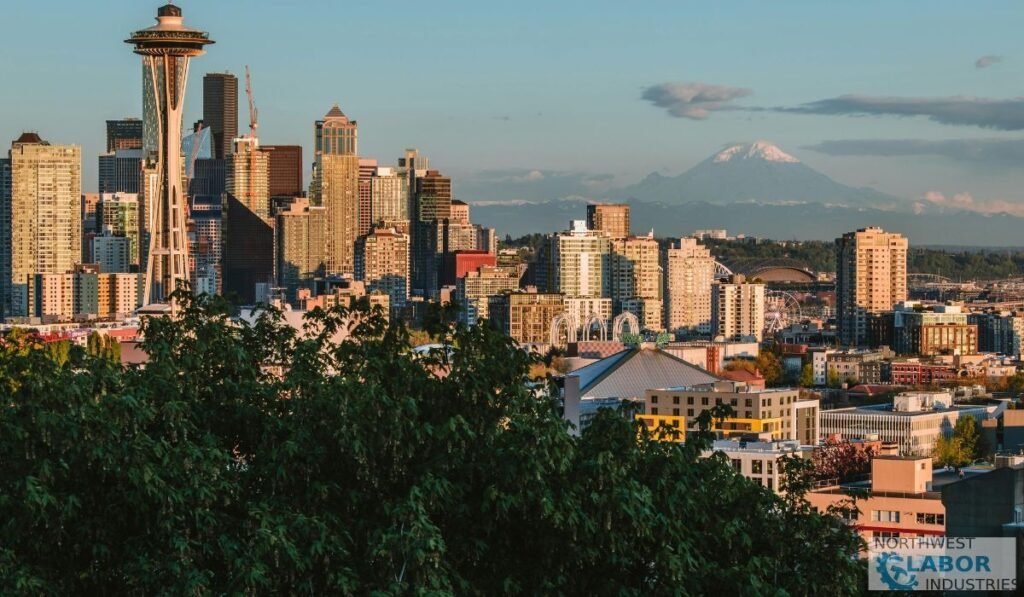
Local Impact on Seattle Communities
This global issue hits close to home. Local communities feel the pressure through rising disposal costs and stricter sorting rules.
We’ve seen Seattle programs tighten guidelines to reduce environmental impact. Clean loads get processed. Contaminated ones often get rejected, which surprises many homeowners.
America Recycles Day: A Call to Action for Seattle Residents
Small actions add up fast when done consistently. This day reminds us that better habits start at home.
What is America Recycles Day?
America Recycles Day takes place every November 15. It promotes responsible consumption and better use of resources.
The focus is simple. Reduce waste, improve sorting, and support stronger recycling programs that turn items into new materials.
How Seattle Homeowners Can Take Action
Real change comes from simple habits. We’ve seen homes improve results by keeping bins clean and items properly collected.
Try these practical steps:
- Rinse containers before tossing them in
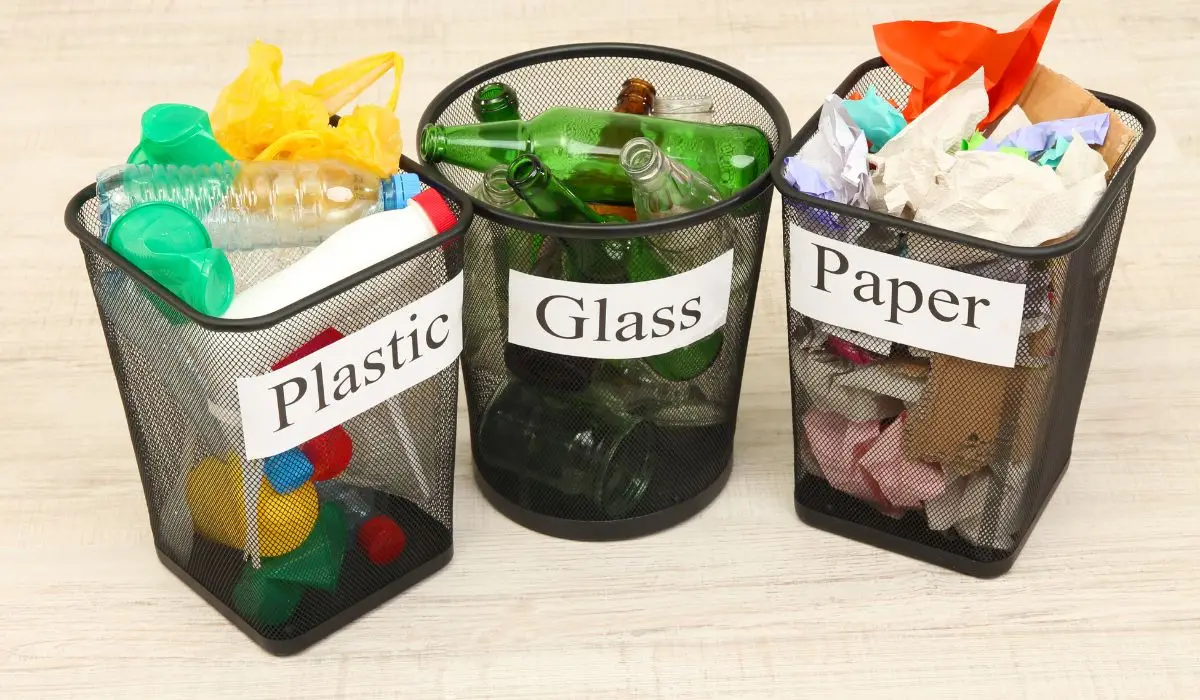
- Separate cardboard from mixed bins
- Keep plastic types sorted when possible
These small changes help create new products from recycled goods. They also support local communities working toward a healthier planet.
Final Thoughts
Good habits at home shape the bigger picture. When we stay consistent, recycling important actions turn into real results for the environment.
Cleaner sorting helps protect local ecosystems and the wider natural world, while keeping usable resources out of the trash. Less waste starts with simple choices. From what we’ve seen, steady recycling habits make a difference faster than expected.
The benefits of recycling show up in cleaner neighborhoods and a healthier planet. Ready to get started? Visit our homepage for practical tips and local support.