
Closets across Seattle and Bellevue are stuffed with clothes nobody wears anymore, and that’s a fact. And what’s more, most of us have no idea what to do with them.
In fact, the average person throws out roughly 81 pounds of fabric and clothing every single year.
Here’s the surprising part: according to King County Waste Services, about 95 percent could have been reused or recycled instead of landfilled. And from our experience, most people simply don’t know where to start with responsible clothes disposal in Seattle, WA.
That’s exactly what this guide covers. Grab a laundry basket and let’s sort out what to donate, what to recycle, and what actually belongs in the trash.
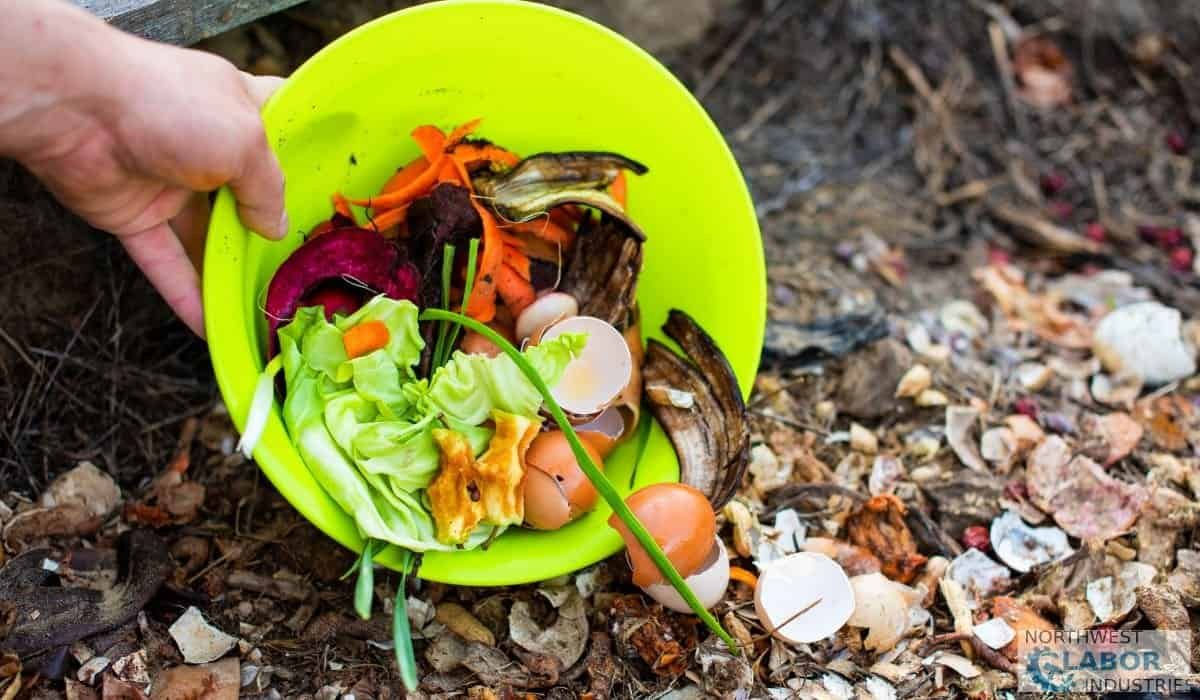
This guide fits into a bigger picture of clearing out your home the right way. If food scraps are piling up in your kitchen, our earlier post on how to dispose food waste at home walks through simple composting and disposal steps.
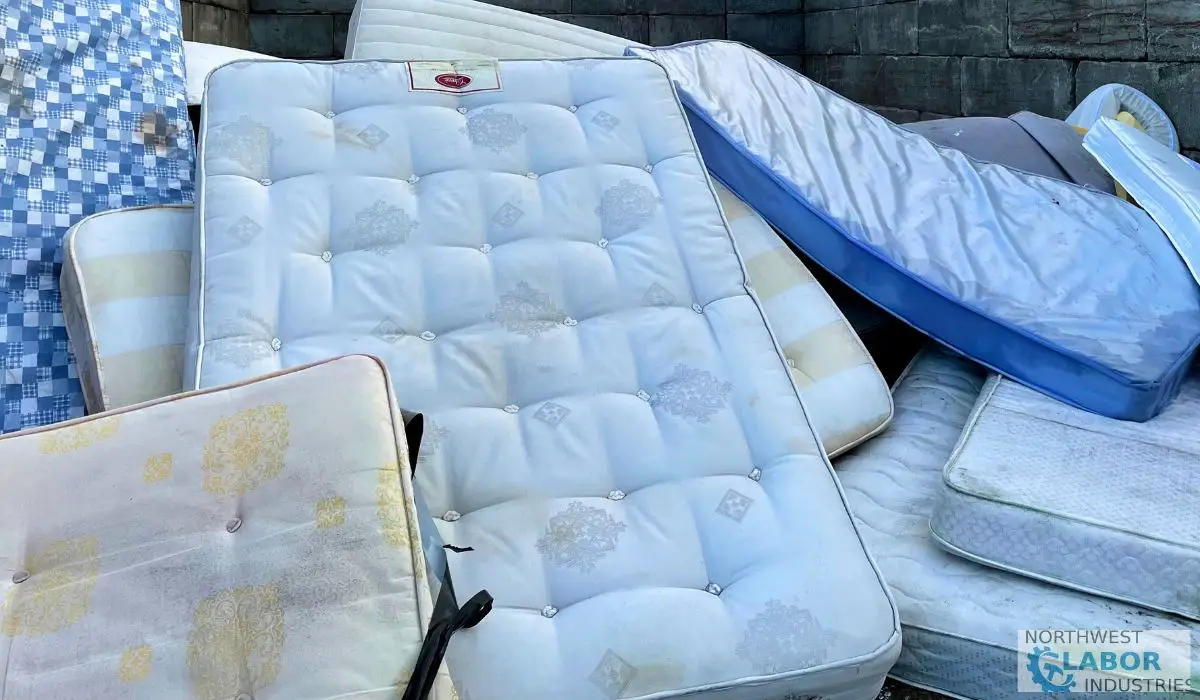
Once your closet is sorted, an old mattress disposal guide is coming next to help with that bulkier item. And if clothes are just one piece of a much larger cleanup, check out our main guide on handling household junk.
Short Summary
- Sort your clothes first: donate wearable items and recycle damaged ones.
- Use the Threadcycle program at Seattle Public Utilities stations for textiles.
- Professionals handle big cleanouts and route items responsibly.
- Small steps keep waste out of landfills and support the community.
Donate and Sell Gently Used Clothes and Shoes
Not every piece of clothing belongs in the recycling bin, right? A lot of what’s sitting in your closet still has plenty of life left in it, and someone out there would love to wear it.
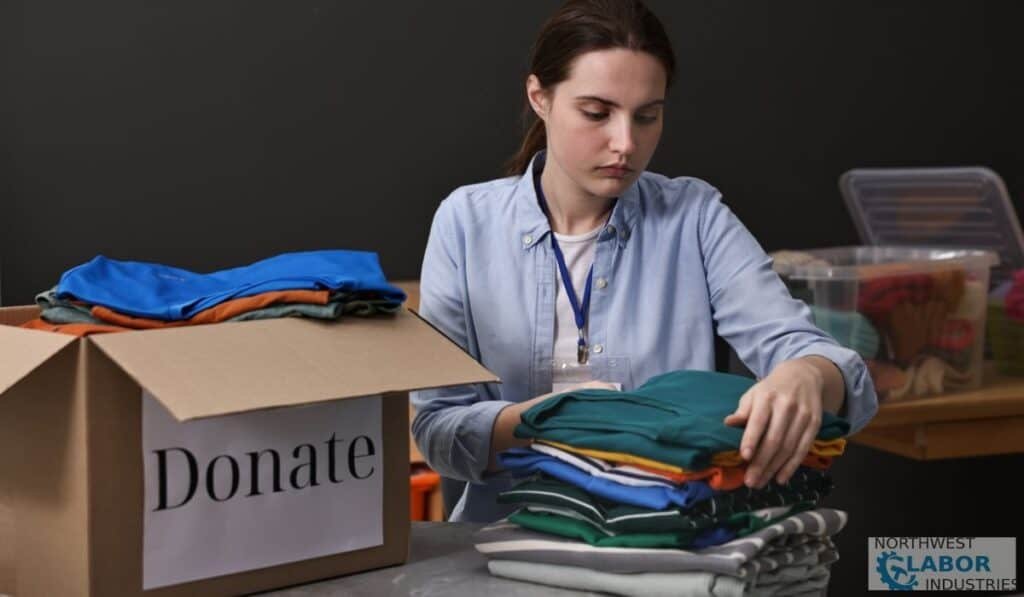
Where to Sell or Donate Gently Used Items
Thrift stores and consignment shops are the easiest starting point. Drop off a bag at Goodwill, or better still, check out Northwest Center. It’s a Seattle-based nonprofit that funds job training programs through clothing donations.
We’ve seen neighbors turn a Saturday morning closet clean-out into a quick errand between coffee and groceries. Consignment shops work too, especially for name-brand or barely-worn pieces you’d rather sell than give away.
Book Junk Removal Today!
What to Gather Before You Donate
Stick to items in solid, wearable condition: clothing, shoes, and accessories without rips, stains, or broken zippers. Remember, donation centers can’t resell what they can’t put on a rack.
Reuse gives old clothes a new life. It also keeps local businesses stocked without adding a single item to a landfill. That’s a win worth repeating.
Recycle Damaged Textiles Through the Threadcycle Program
Stained shirts and mismatched socks feel like trash, but Seattle has a better plan for them. That plan is called Threadcycle. Trust us, it’s worth knowing before you toss anything in the garbage.
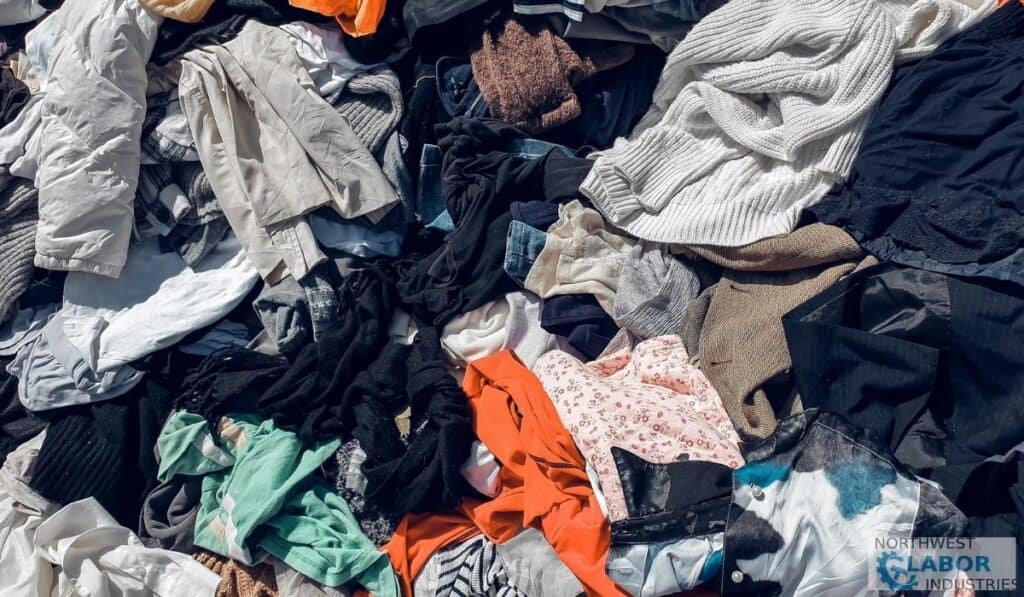
What Threadcycle Accepts (and Where to Drop It Off)
What Threadcycle does is take damaged textiles most people assume are hopeless. Items like ripped t-shirts, single shoes, mismatched socks, worn or stained clothes, sheets, linens, and other textiles like towels or curtains.
Drop them at any Seattle Public Utilities transfer station, no sorting required beyond keeping textiles together.
We’ve dropped off bags that looked destined for the dumpster and watched them get a second act instead.
How Damaged Textiles Become New Products
Textile recycling doesn’t just delay the landfill. It transforms fabric into insulation, cleaning rags, and other new products manufacturers actually need. One torn t-shirt won’t move the needle much, but multiply that by a city, and the impact adds up fast.
Preparation Rules: What Not to Include
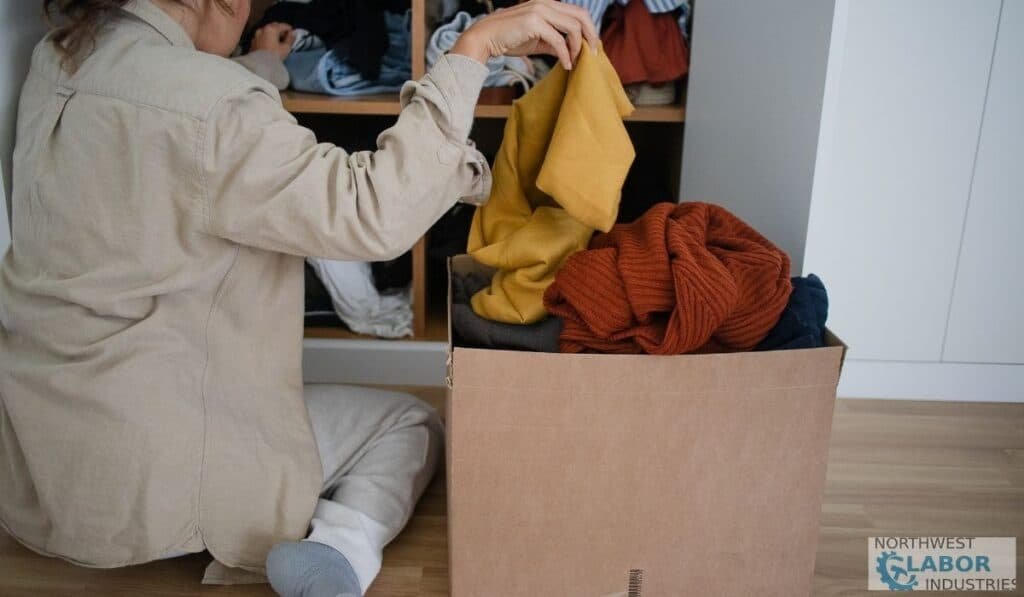
Keep it simple: everything goes in the same bag, clean and completely dry. Wet, mildewed, or contaminated items don’t qualify.
Keep in mind also that anything that’s touched hazardous materials like paint or motor oil belongs in the garbage. They shouldn’t be in the recycling stream. One contaminated item can spoil an entire batch, so when in doubt, leave it out.
Handle Large-Volume Cleanouts with Full-Service Junk Removal
Sorting a closet is one thing. Clearing out an entire house? That’s a different challenge altogether.
When DIY Disposal Isn’t Realistic
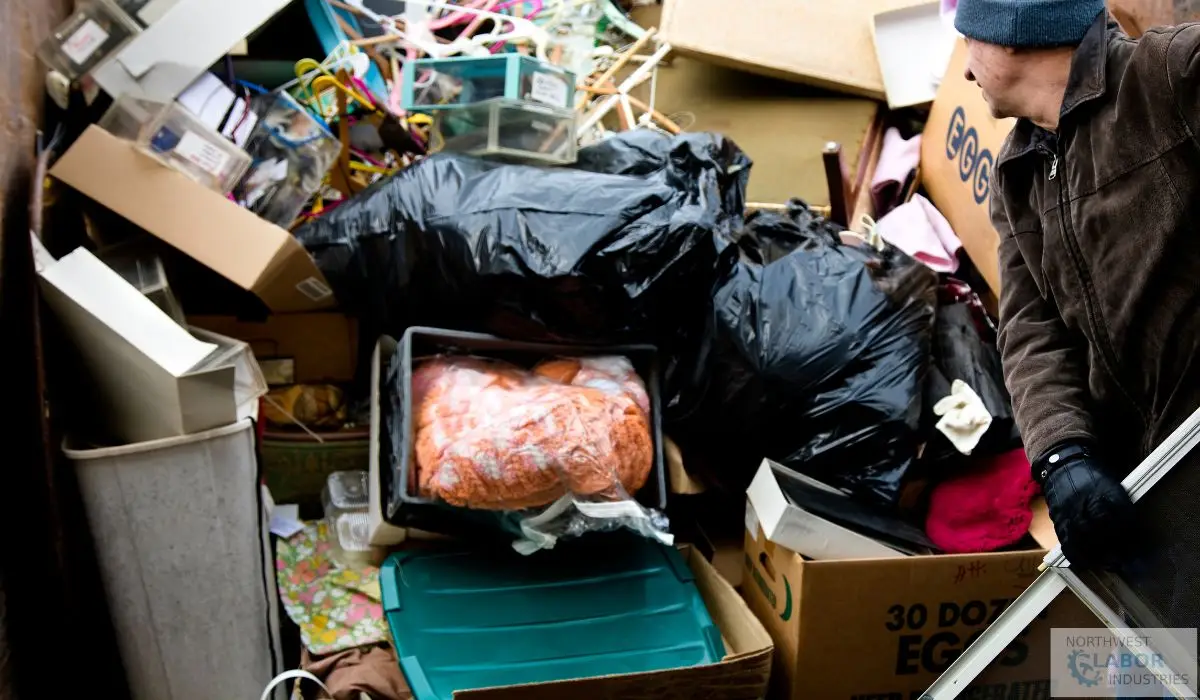
Estate cleanouts, big moves, and years of accumulated stuff rarely fit into a weekend project. Trying to gather and sort item-by-item works fine for a dresser drawer, but not for a garage packed floor to ceiling.
We’ve walked into homes where every closet, every attic corner, and every hallway had something waiting to be dealt with. Tossing it all yourself usually means more trips to the dump than anyone wants to count.
How Professional Haulers Sort Responsibly
A full-service solution takes that weight off your shoulders. Professional crews separate reusable items and route them to donation organizations, while damaged materials head to recycling facilities instead of straight to landfills.
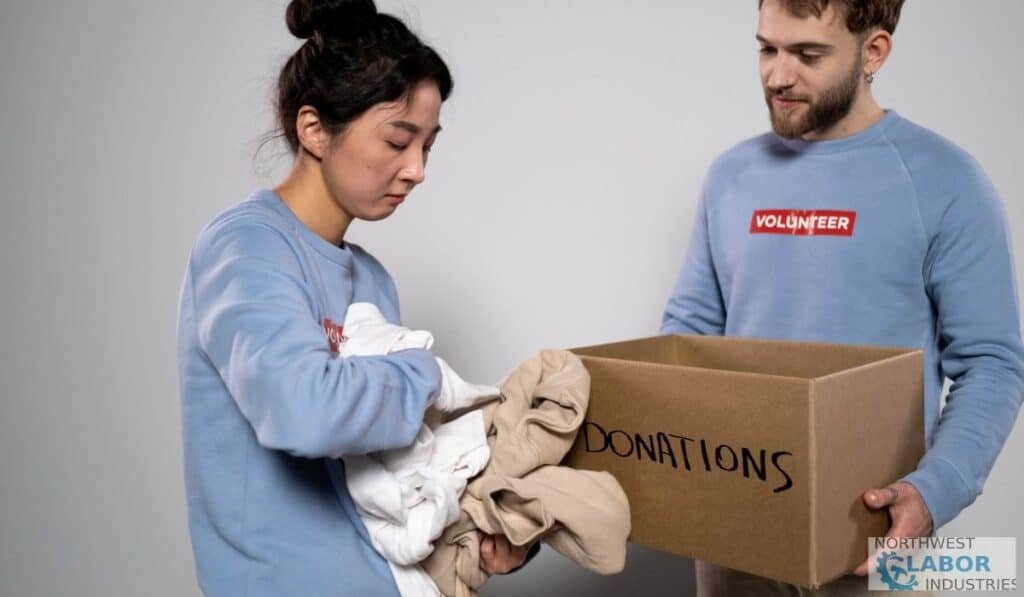
That sorting turns old belongings into usable products again rather than buried waste. Author and environmentalist Annie Leonard put it well: “There is no such thing as away. When we throw anything away, it must go somewhere.”
Hiring help makes cleanout day easy, that’s obvious. But also worth mentioning is that it can also educate homeowners on where their stuff actually ends up. And no matter how you look at it, educating people on the realities of junk disposal is always good.
Final Thoughts
Clothes disposal really comes down to three simple choices. Donate what’s still wearable, recycle the rest through the Threadcycle program, and toss anything contaminated straight in the garbage. That’s the whole solution, no complicated sorting required.
Got a closet or a whole house full of stuff to clear out? Browse more posts on our homepage to learn more, or reach out to Northwest Labor Industries for bulk hauling help.